

I. Introduction
In 2026, sending cabinets and wardrobes from China to Canada has become a common demand, especially for trade factories and furniture importers. But choosing the right shipping channel is no easy task. I've seen many clients struggle with this decision, often facing issues like high costs, long transit times, or damaged goods. In this article, I'll share my hands - on experience to help you make the best choice.
II. Common Shipping Channels for Large - Sized Furniture
1. Air Freight
Advantages: Air freight is extremely fast. Generally, it can take around 7 - 12 days for the goods to reach Canada. This is ideal if you need to restock your inventory quickly or meet a tight customer deadline. For instance, if you're a 3C electronics seller who also dabbles in furniture sales and suddenly gets a large order for cabinets, air freight can ensure timely delivery.The handling process is relatively gentle, reducing the risk of damage to the cabinets and wardrobes.
Limitations: The cost is prohibitively high. It's usually several times more expensive than sea freight. A small cabinet might cost you around $500 - $1000 to ship by air, depending on its size and weight.
There are weight and size restrictions. Large and heavy cabinets and wardrobes may not be suitable for air freight due to these limitations.
2. Sea Freight
a. Full - Container Shipping
Advantages: It's suitable for large - scale shipments. If you're a trade factory sending a large number of cabinets and wardrobes, full - container shipping can provide enough space. You can choose from container sizes like 20GP, 40GP, or 40HQ.The cost per unit is relatively low. For example, a 20 - foot container full of cabinets might cost around $2000 - $3000 from a major Chinese port to the Port of Vancouver, depending on market conditions.
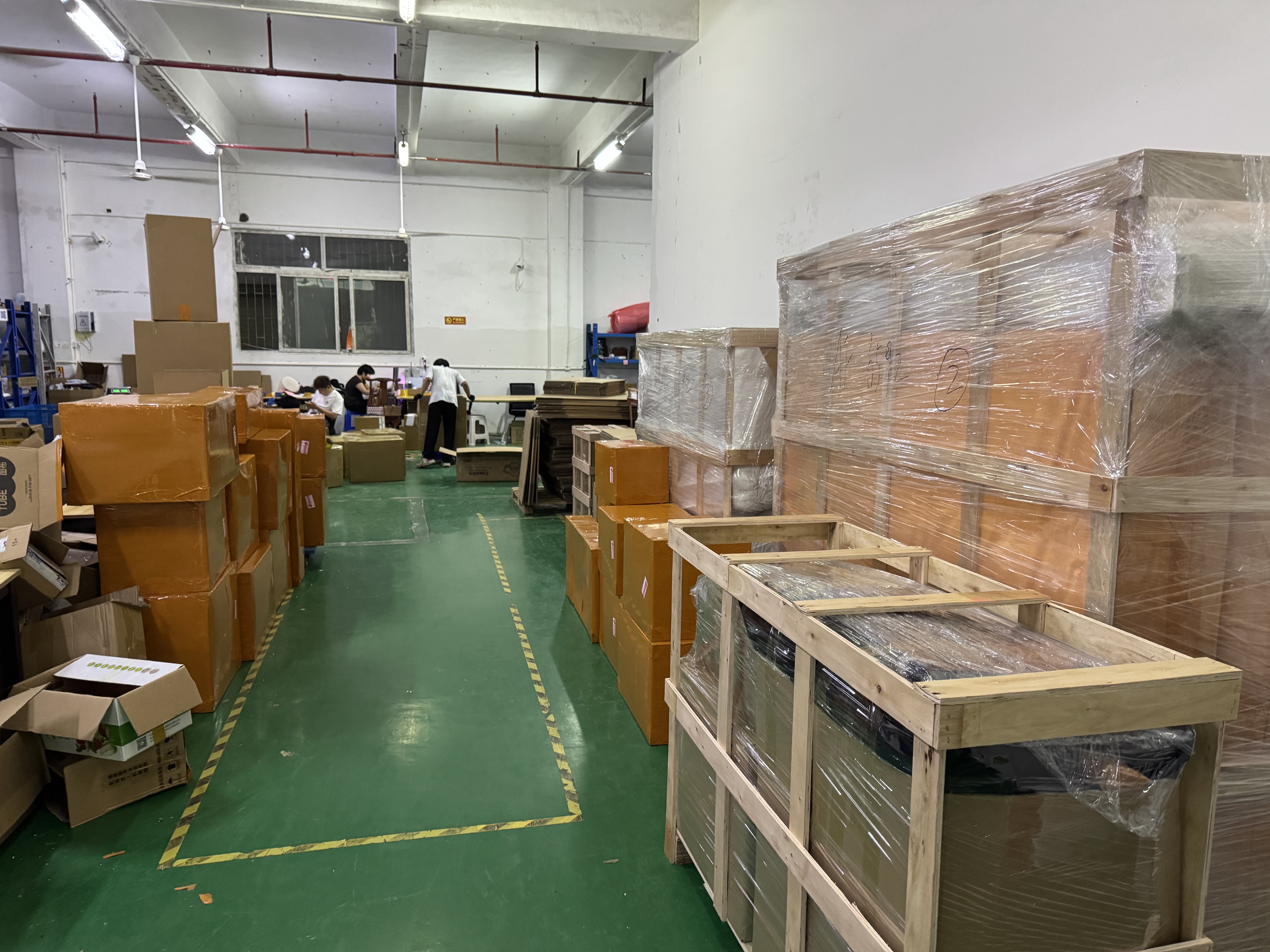
Limitations: Longer transit times, typically around 30 - 40 days, which can be a problem if you have urgent orders.
There are high upfront costs for renting the entire container, even if you don't fully utilize the space.
b. Less - Than - Container - Load (LCL) Shipping
Advantages: Cost - effective for smaller shipments. If you're an importer who only needs a few cabinets and wardrobes, LCL can save you money as you only pay for the space you use.More flexible in terms of shipping volume. You don't have to wait until you have enough goods to fill a container.
Limitations: Slower transit times compared to full - container shipping as the goods need to be consolidated and de - consolidated at the ports.
There's a higher risk of damage during the consolidation and handling process.
III. In - Depth Analysis of Sea Freight (Core Section)
I've had a client back in 2024 who was an apparel importer in Toronto. They decided to expand their business by adding furniture to their product line and needed to ship a large number of cabinets and wardrobes from China. Initially, they were considering air freight due to the perceived speed and safety. However, after a detailed cost analysis, we found that air freight would have cost them over $50,000 for the shipment. On the other hand, full - container sea freight would cost around $10,000.
The process of full - container sea freight involves several steps. First, you need to book the container with a shipping line. This requires providing accurate details about the goods, such as quantity, dimensions, and weight. Then, the cabinets and wardrobes are transported to the port and loaded into the container.
At the origin port, there are extensive document - checking processes. You need to prepare documents like the bill of lading, commercial invoice, packing list, and certificate of origin. The Canadian Border Services Agency (CBSA) is very strict about these documents. Any errors or omissions can lead to delays or even fines.
Once the container is on the ship, it sails across the Pacific Ocean. The transit time can be affected by various factors such as weather conditions, shipping routes, and port congestion. For example, during the peak shipping season, the Port of Vancouver can get very congested, which may add a few extra days to the transit time.
When the container arrives at the Canadian port, it goes through customs clearance. The CBSA will conduct inspections to ensure the goods comply with Canadian regulations. This includes checking for proper labeling, safety standards, and any potential pests or diseases. If the goods are made of wood, they may need to go through a fumigation or quarantine process to prevent the introduction of foreign pests.
After customs clearance, the container is transported to its final destination. This can be done by truck or rail, depending on the location.
IV. Choosing the Right Shipping Channel
1. Consider Your Shipment Volume
If you're shipping a large number of cabinets and wardrobes regularly, full - container sea freight is the best option. It offers the lowest cost per unit and better control over the shipment.For small - scale or occasional shipments, LCL shipping is more suitable as it provides cost - savings and flexibility.
2. Evaluate Your Time Constraints
If you have a tight deadline, air freight might be worth considering despite the high cost.However, if time is not a critical factor, sea freight is a more economical choice.
3. Factor in Your Budget
Air freight is expensive, so it's only viable if your budget allows for it and the value of the goods justifies the cost.Sea freight, whether full - container or LCL, is generally more budget - friendly.
V. Recommended Shipping Service Provider: Shengda International Logistics
Shengda International Logistics is a great choice for shipping cabinets and wardrobes from China to Canada. They focus on cross - border dedicated lines between China and Canada, among other regions.
Full - Service Offerings: They provide a one - stop service that includes container booking, loading, customs clearance, and delivery. For the large furniture shipment, they can handle the special requirements such as proper packaging and securing of the cabinets and wardrobes.Cost - Effective: They offer transparent pricing with no hidden fees. Their cubic - based pricing model for large items can significantly reduce the shipping cost compared to the traditional weight - based model.
Reliable Service: With their own warehousing facilities and self - developed logistics system, they have better control over the shipment process. They also have a professional local customs clearance and overseas delivery team to ensure smooth shipping.
VI. FAQ
Q: What if my cabinets and wardrobes are damaged during shipping? A: With Shengda International Logistics, they have a formal claim mechanism. In case of damage due to operational errors, they will compensate according to the standard. For sea freight, it's also a good idea to purchase marine insurance to further protect your goods.Q: How can I ensure my cabinets and wardrobes pass customs smoothly? A: Make sure you provide accurate and complete documentation. Shengda International Logistics can help you with this as they are familiar with Canadian customs regulations. They can assist in proper labeling and declaring the correct value of the goods.
Q: Is it possible to track my shipment? A: Yes, Shengda International Logistics has a self - developed intelligent logistics system. You can check the real - time status of your shipment, including when it's in transit, at the port, or out for delivery.
Q: Can I store my cabinets and wardrobes in a warehouse before shipping? A: Shengda International Logistics offers 365 - day free long - term warehousing. This is very convenient if you need to consolidate your goods or wait for a better shipping rate.
Q: What are the main factors affecting the shipping cost? A: The main factors include the shipping volume, shipping channel, distance, and market conditions. For sea freight, fuel surcharges and port congestion can also impact the cost.
