

Hey there! As someone with hands - on experience in cross - border logistics between China and Australia, I've seen a fair share of scenarios that can also be relevant to the Canada - bound household goods sea freight. In 2026, there are some key things Canadian families shipping household goods from overseas, especially from China, should be aware of.
I. New 2026 Policies and Regulations Impacting Sea Freight
In 2026, there are notable updates in Canada's customs regulations. The Canadian Border Services Agency (CBSA) has tightened controls on certain goods. For instance, there are stricter requirements for the declaration of used electronic devices. You need to detail the make, model, and condition accurately.
Once, I had a client shipping a bunch of old electronics to Vancouver. They didn’t provide detailed enough information, and their shipment got held up at the port for nearly a week. This delay caused a lot of inconvenience as they were waiting for these items to set up their new home.
The Canadian Food Inspection Agency (CFIA) also has new rules regarding food items. If you're sending any packaged or unpackaged food, it must be declared clearly, and it has to meet specific safety and labeling requirements. Any violation can lead to the confiscation of the food items.
II. Key Steps in the Sea Freight Process
1. Packaging and Preparation
Proper packaging is crucial. For fragile items like glassware or porcelain, use plenty of bubble wrap and sturdy boxes. For large furniture, consider professional packing services. I once shipped a client's antique dining table from Shanghai to Toronto. We had it custom - crated to ensure its safety during the long journey, and it arrived in perfect condition.
2. Documentation
You'll need several key documents. The Bill of Lading is essential, as it serves as a contract between you and the shipping company. The Commercial Invoice should include a detailed description of all the goods, their value, and the quantity. And don't forget the Packing List, which lists each item in every box. Incomplete or incorrect documentation can lead to customs clearance delays.
3. Shipping and Transit
Choose a reliable shipping line. Some lines offer faster transit times, while others may be more cost - effective. Transits from major Chinese ports to Canadian ports like the Port of Vancouver usually take around 14 - 20 days, but it can vary depending on weather conditions and shipping schedules.
III. Cost Considerations in Shipping Household Goods
1. Freight Charges
Freight charges are calculated based on the volume or weight of your shipment, whichever is higher. For example, a 20 - foot container might cost between CAD 2,000 and CAD 3,500, depending on the departure port in China and the destination port in Canada.
2. Additional Costs
There are often additional costs such as terminal handling charges, customs duties, and taxes. Customs duties can be a significant part of the cost, especially for high - value items. You should research the Harmonized System (HS) codes of your goods to get an estimate of these duties.
IV. Choosing the Right Logistics Provider
1. Reputation and Experience
Look for a logistics provider with a good reputation and years of experience in handling household goods shipments. A provider who knows the ins and outs of the 2026 customs regulations will save you a lot of headaches.
2. Services Offered
Some providers offer door - to - door services, which include packing, shipping, customs clearance, and delivery to your doorstep. This can be a great option for busy families. Others may only handle the shipping part, leaving you to deal with customs and local delivery.
3. Pricing Transparency
Make sure the provider gives you a clear breakdown of all costs. Hidden fees can add up quickly and wreck your budget. I once had a client who chose a provider with a seemingly low initial quote but ended up paying almost double due to hidden fees.
V. Case Study: A Family's Move to Calgary
A family in Shanghai was moving to Calgary. They had a mix of items including furniture, clothes, and some kitchenware. They chose a logistics provider based on price alone without doing much research.
The problem was, the provider was inexperienced in handling customs clearance for used household goods. They made some errors in the documentation, and the shipment got stuck at the Port of Vancouver for about two weeks.
The family was already in Calgary, waiting for their belongings. The delay caused them to buy temporary furniture and essentials, which added to their expenses.
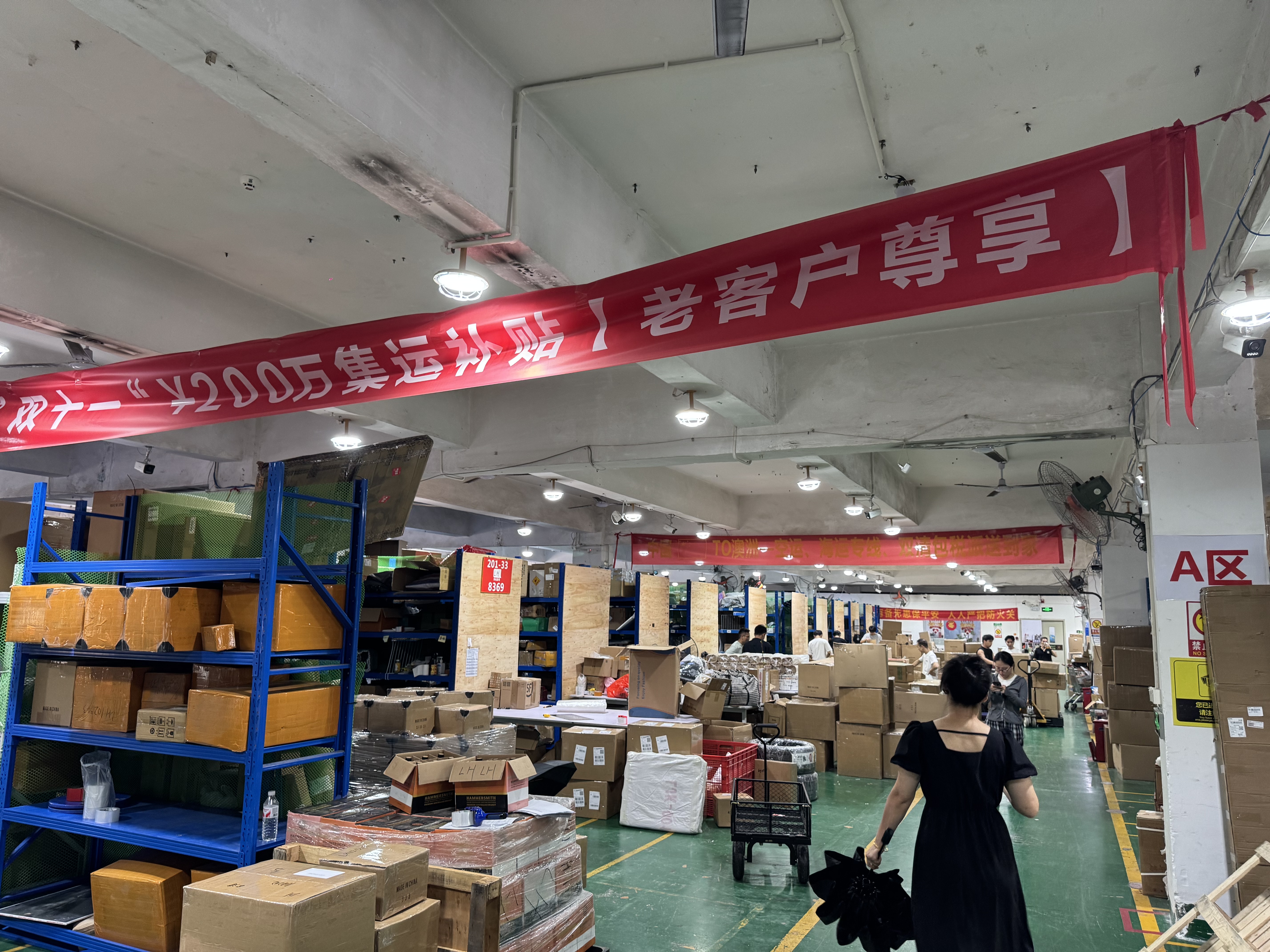
In contrast, another family shipping from Beijing to Montreal used a well - known logistics provider. The provider took care of everything from proper packaging to accurate documentation. The shipment arrived on time, and the family was able to settle into their new home smoothly.
VI. FAQs
1. Can I ship my plants to Canada via sea freight?
It's very tricky. The CFIA has strict regulations on importing plants. Most plants need to meet specific phytosanitary requirements and may need a special permit. In many cases, it's not worth the hassle, as there's a high chance of the plants being confiscated.
2. How can I ensure my valuable items are safe during shipping?
You can purchase insurance for your shipment. Also, make sure to use high - quality packaging materials and consider professional packing services. If possible, separate valuable items into smaller, more secure packages.
3. What if my shipment is delayed at customs?
Contact your logistics provider immediately. They should be able to work on resolving the issue, whether it's providing additional documentation or communicating with the customs authorities.
4. Do I need to be present at the port when my shipment arrives?
In most cases, no. Your logistics provider can handle the customs clearance and delivery process on your behalf. However, you may need to provide some authorization and be available for communication if necessary.
5. How far in advance should I start planning my household goods shipment?
It's best to start at least 2 - 3 months in advance. This gives you enough time to research logistics providers, pack your items properly, and handle all the necessary documentation.
As you plan your household goods sea freight to Canada in 2026, keep these points in mind. It'll help you have a smoother and less stressful shipping experience.
