

I. Introduction
Shipping household goods from China to Canada can be a complex process, fraught with challenges and choices. In 2026, new policies and market dynamics have further complicated this task. I've been in the cross - border logistics business for years, and I've seen many small business owners, importers, and e - commerce sellers struggle with this. Let me share some insights based on my hands - on experience.
II. Common Pain Points in Shipping Household Goods
Hidden Costs: One of the biggest headaches is hidden charges. I had a client back in 2024 who was shipping home goods from Shanghai to Vancouver. While the initial quote seemed reasonable, they were hit with unexpected customs fees, storage fees, and handling charges at the Canadian end. This not only increased the overall cost but also disrupted their business cash flow.Shipping Delays: Delays are another major issue. A change in shipping schedules, bad weather, or customs inspections can all cause significant hold - ups. For example, during the winter months in 2025, many shipments from China to the Port of Montreal were delayed due to heavy snowfall and ice, causing some apparel importers to miss their sales deadlines.
Damage to Goods: Household items are often fragile or bulky, making them prone to damage during transit. I once handled a shipment of furniture from a Chinese trade factory to Toronto. Despite proper packaging, some pieces were damaged because of rough handling during loading and unloading at intermediate ports.
III. Channels for Shipping Household Goods
Air Freight Advantages: Air freight is the fastest option. For urgent shipments of high - value or small - volume household goods, it can be a great choice. It usually has a lower risk of damage and offers better tracking capabilities. For example, if you're an e - commerce seller shipping high - end electronics from China to Calgary, air freight can ensure your products reach your customers quickly, within 7 - 12 days on average, according to industry data.Disadvantages: The cost is significantly higher compared to other methods. It may not be cost - effective for large or heavy items. Also, there are limitations on the size and weight of the cargo that can be shipped.
Sea Freight (LCL - Less than Container Load) Advantages: For small businesses shipping in smaller quantities, LCL is a cost - efficient option. It allows you to share container space with other shippers, reducing your shipping costs. It is suitable for items like home decor, clothing, and small appliances. Many small home goods sellers find this option perfect for their inventory replenishment.
Disadvantages: The shipping time is longer, usually taking roughly 30 - 40 days. There is also a higher risk of damage and loss because the goods are handled more frequently during the consolidating process.
Sea Freight (FCL - Full Container Load) Advantages: If you have a large shipment of household goods, FCL is ideal. It offers better protection for your goods as they are not mixed with other shippers' items. You can have better control over the shipping schedule and reduce the risk of damage. For instance, a trade factory shipping a large quantity of furniture would benefit from FCL shipping.
Disadvantages: The minimum volume requirement means you may have to pay for an entire container even if you don't fully utilize it. It also requires a higher upfront investment.
IV. In - Depth Look at Sea Freight (LCL) - Core Section (40% of the Article)
Operational Process At the origin port in China, the goods are collected and transported to a consolidation warehouse. Here, the goods from different shippers are sorted and packed into containers. This process requires careful handling to ensure that all items are properly secured. For example, when handling glassware or delicate ceramics, extra padding and bracing are used.Once the container is filled, it is sealed and sent to the port for loading onto the ship. This involves a series of documentation processes, including bills of lading, customs declarations, and packing lists. Any errors in these documents can lead to customs delays or even fines.
During transit, the container is tracked using various technologies. However, factors like bad weather, port congestion, or mechanical issues with the ship can still cause delays.
At the destination port in Canada, the container is unloaded, and the goods are sent to a de - consolidation warehouse. Here, the goods are sorted again and prepared for delivery to the final destination.
Cost Analysis The cost of LCL shipping is mainly composed of freight charges, terminal handling charges, customs clearance fees, and delivery fees. Freight charges are calculated based on the volume or weight of the goods, whichever is higher. Terminal handling charges cover the cost of loading and unloading the goods at the ports.
Customs clearance fees depend on the value of the goods and the applicable tariffs. In 2026, new customs policies in Canada may require more detailed documentation for household goods, which could potentially increase the clearance cost.
Delivery fees vary depending on the distance from the port to the final destination. For example, if the destination is in a remote area of Quebec, the delivery fee will be higher compared to a major city like Montreal.
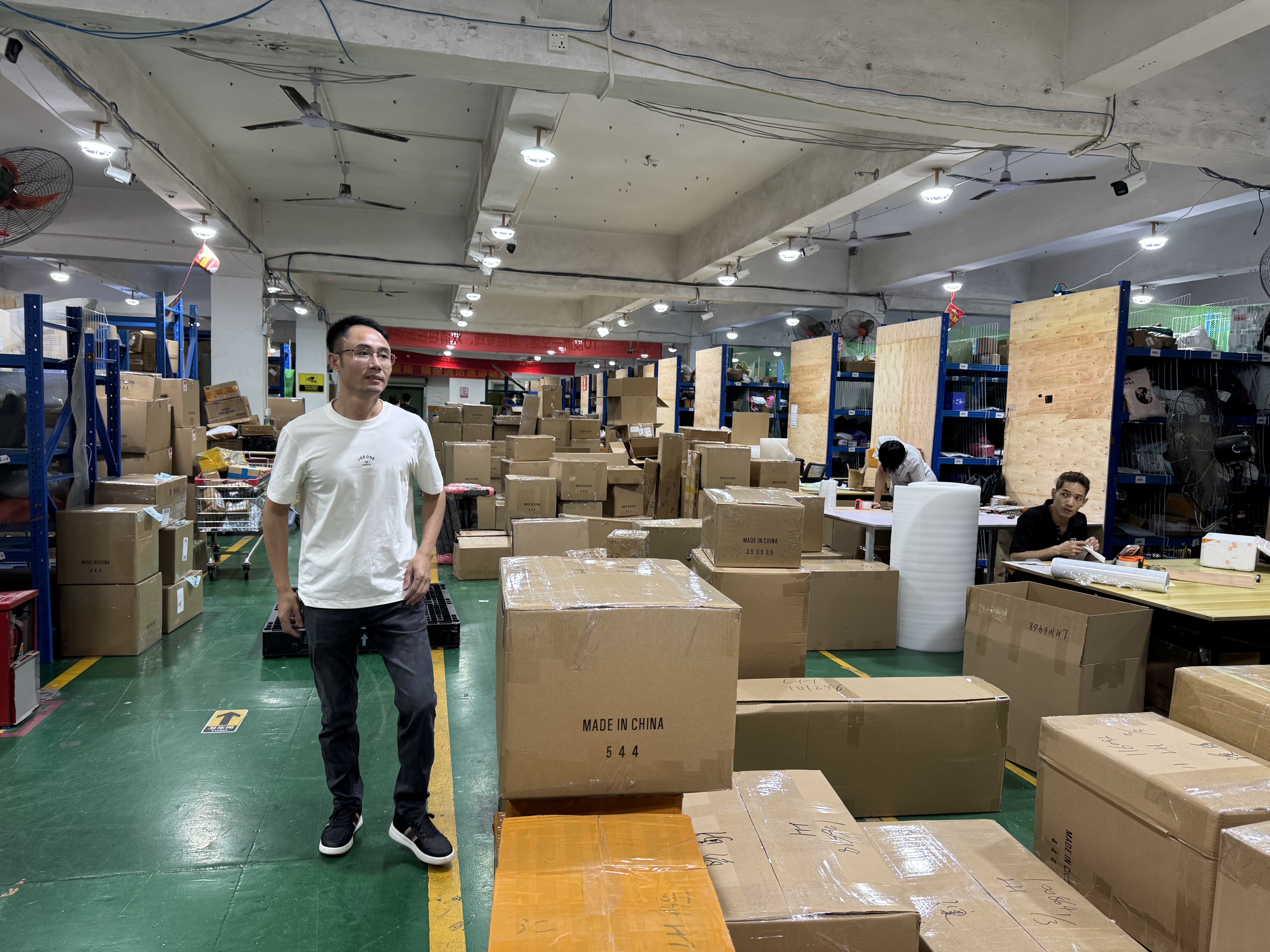
Risk Management To reduce the risk of damage, it is important to work with a reliable freight forwarder who has experience in handling household goods. They can provide advice on proper packaging and loading techniques.
Insurance is another important aspect. Purchasing cargo insurance can protect you from financial losses in case of damage, loss, or theft during transit.
Staying informed about customs regulations is crucial. The Canadian Border Services Agency (CBSA) has strict rules regarding the importation of household goods, and non - compliance can lead to confiscation of goods or heavy fines.
V. How to Choose the Best Shipping Channel
Volume and Weight of Goods: If your shipment is small and light, air freight might be the best option. For larger and heavier shipments, sea freight (either LCL or FCL) is more suitable.Urgency: If you need your goods to arrive quickly, air freight is the way to go. However, if you have more time and are looking for cost - savings, sea freight is a better choice.
Budget: Consider your overall budget, including shipping costs, customs fees, and potential insurance costs. Compare the quotes from different shipping providers to find the most cost - effective solution.
Service Quality: Look for a shipping provider with a good reputation for reliability, customer service, and on - time delivery. Check online reviews and ask for references from other businesses in the industry.
VI. FAQ
What are the new customs policies in Canada for household goods in 2026? Well, in 2026, the Canadian Border Services Agency (CBSA) has tightened the requirements for documentation. You need to provide more detailed information about the origin, value, and composition of the household goods. This is mainly to prevent smuggling and ensure proper tariff assessment.
How can I reduce the risk of damage to my household goods during transit? Choose a reliable shipping provider with experience in handling household items. They can offer advice on proper packaging. Also, consider purchasing cargo insurance to protect your goods in case of any unforeseen events.
Is it better to use a freight forwarder or ship directly? Using a freight forwarder can be beneficial as they have more experience in dealing with customs procedures, shipping documentation, and carrier negotiations. They can also provide a one - stop - shop service, which saves you time and effort. However, if you have a large enough volume and the expertise in shipping operations, shipping directly may be an option.
What should I do if my shipment is delayed? First, contact your shipping provider immediately to get an update on the situation. They can usually provide you with information about the cause of the delay and an estimated time of arrival. If the delay is due to the shipping provider's negligence, you may be eligible for compensation.
Can I ship all types of household goods from China to Canada? Most household goods can be shipped, but there are some restrictions. For example, certain types of food, plants, and weapons are subject to strict regulations. Before shipping, it's important to check the Canadian customs regulations to ensure that your goods are compliant.
