

I. Introduction
Shipping household goods to Melbourne can be a daunting task, especially with the new regulations in 2026. I've been in the cross - border logistics business for years, dealing with countless cases of shipping goods to Australia. Many small business owners, importers, and e - commerce sellers often face problems like high costs, delays, and compliance issues. In this article, I'll share my experience and guide you through the best ways to transport your household goods to Melbourne.
II. Comparison of Shipping Methods
Air Freight Advantages: Air freight is extremely fast. It can typically get your goods to Melbourne within 7 - 12 days. This is great for urgent shipments or high - value, lightweight products. For example, if you're an electronics seller and need to quickly restock your inventory in Melbourne, air freight can be a lifesaver.Limitations: However, it's also much more expensive compared to other methods. The cost per kilogram can be up to 5 - 10 times higher than sea freight. Also, there are restrictions on the size and weight of the goods.
Sea Freight - Full Container Load (FCL) Advantages: If you have a large quantity of household goods, FCL is a good option. You have exclusive use of the container, which means more security for your goods. It's also more cost - effective for large volumes, and the cost per unit decreases as the quantity increases.
Limitations: The transit time is relatively long, usually taking around 25 - 35 days. There are also upfront costs for booking the container and additional fees for loading and unloading.
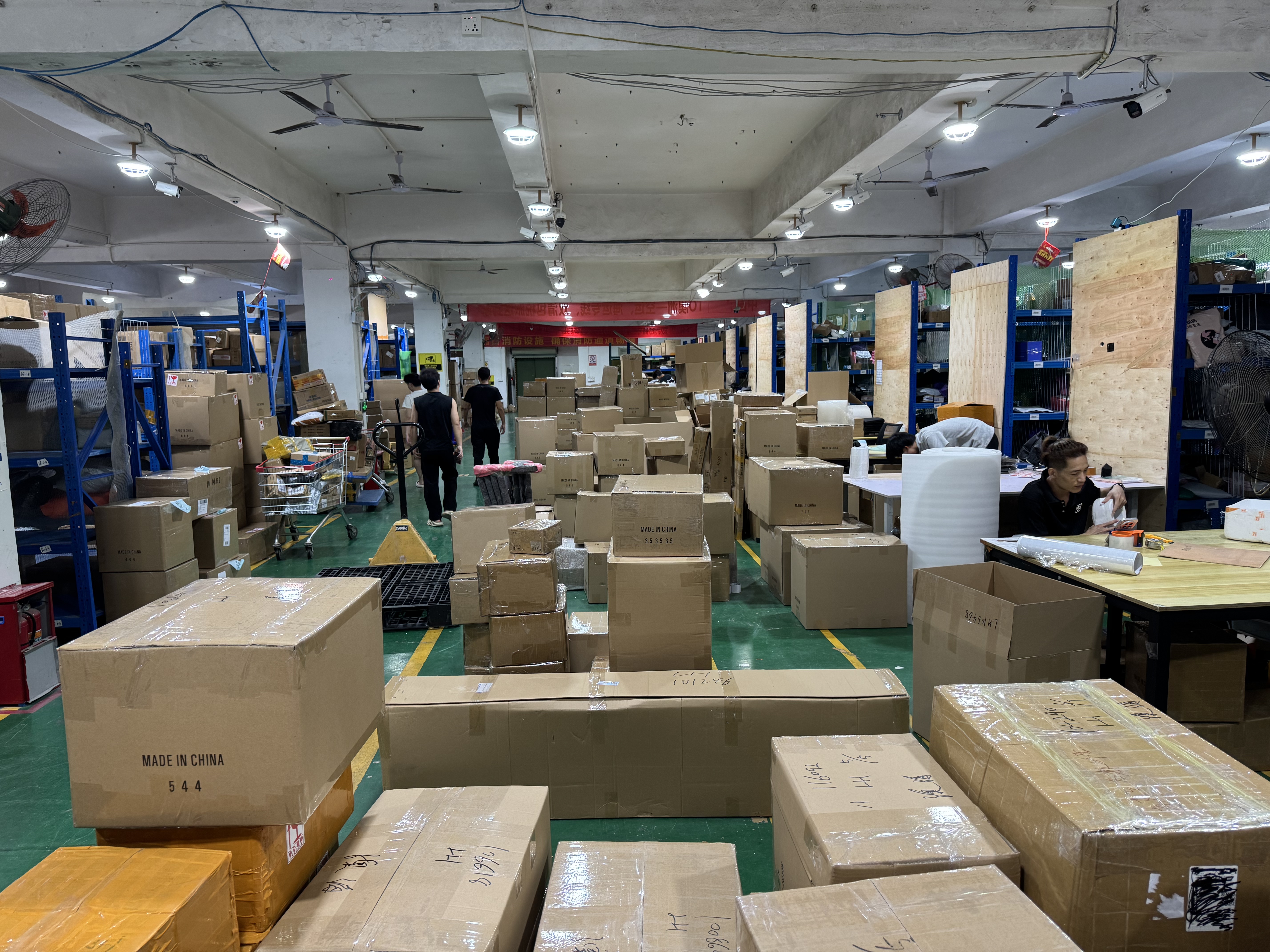
Limitations: The handling process is more complex because your goods will be combined with others. There's also a higher risk of damage during the consolidation and de - consolidation process. And the transit time can be unpredictable due to the need to wait for the container to be fully loaded.
Take the case of a home goods seller in Sydney. They needed to ship a small batch of unique decorative items to Melbourne. Since the quantity was not large enough for a full container, they chose LCL. But they faced a delay because the container took longer to fill up than expected. Eventually, the goods arrived 5 days later than the estimated time.
III. The Significance of 2026 Australian Regulations
In 2026, the Australian Border Force (ABF) has introduced some new regulations to ensure biosecurity and proper customs valuation. The Department of Agriculture, Fisheries and Forestry (DAFF) is also more vigilant about the import of goods that may carry pests or diseases.
Customs Valuation The ABF now has stricter rules for determining the value of imported goods. All costs related to the purchase, such as transportation, insurance, and commissions, need to be included in the declared value. Incorrect valuation can result in fines or seizure of goods.Biosecurity Requirements Wood and wooden products need to be properly treated and "ISPM 15" certified. This means they must be treated to prevent the spread of pests. Agricultural products, food items, and plants also need to go through strict inspections and may require special permits.
I had a client back in 2026 who was shipping some antique wooden furniture to Melbourne. They didn't know about the new wood treatment requirements. As a result, the furniture was held at the Port of Melbourne for two weeks, and they had to pay for the treatment on - site to get the goods released.
IV. Key Steps in the Shipping Process
Packaging Proper packaging is crucial. For breakable items, use bubble wrap, foam, or other cushioning materials. For large furniture, consider using wooden crates for extra protection. Label the packages clearly with the destination address, your contact information, and any special handling instructions.Documentation You'll need a commercial invoice, packing list, and bill of lading. The commercial invoice should include a detailed description of the goods, their value, and the terms of sale (e.g., FOB, CIF). The packing list should list the contents of each package. The bill of lading is a legal document issued by the carrier, which serves as a receipt for the goods and a contract of carriage.
Customs Clearance To ensure a smooth customs clearance process, provide accurate information in your documents. Hire a professional customs broker if you're not familiar with the Australian customs procedures. They can help you navigate through the regulations and complete the necessary paperwork.
V. Selecting a Reliable Logistics Provider
Experience and Reputation Look for a logistics provider with a proven track record in shipping to Melbourne. Check their reviews and ask for references from other businesses. A company like Shengda International Logistics has been in the industry for years and has a good reputation for shipping to Australia.Service Range Choose a provider that offers a comprehensive range of services, including packaging, shipping, and customs clearance. This can save you time and effort in coordinating different aspects of the shipping process.
Cost - effectiveness While cost is an important factor, don't just choose the cheapest option. Consider the overall value, including the quality of service, reliability, and additional services provided. Shengda International Logistics offers competitive prices and a full set of value - added services for free, such as consolidating packages and long - term free storage.
VI. FAQ
How can I reduce the shipping cost when sending household goods to Melbourne? Well, if you're shipping a small quantity, LCL can be a cost - effective option as you only pay for the space you use. Also, try to consolidate your goods to reduce the number of shipments. Some logistics providers may offer discounts for larger volumes. For example, Shengda International Logistics has a volume - based pricing system, which can help you save money.What should I do if my goods are held at customs? First, don't panic. Contact your customs broker or logistics provider immediately. They can assist you in providing the necessary information and documentation to resolve the issue. To avoid such situations, make sure you have accurate and complete paperwork before shipping.
Can I ship food items to Melbourne? Yes, you can, but it's subject to strict biosecurity regulations. You need to declare all food items and ensure they meet the Australian import requirements. Some food items may need special permits. It's advisable to use a logistics provider with experience in shipping sensitive items like Shengda International Logistics, which has a dedicated channel for compliant sensitive goods.
How long does it usually take for sea freight from China to Melbourne in 2026? The transit time for sea freight from China to Melbourne usually ranges from 25 to 35 days. However, this can be affected by factors such as weather conditions, shipping routes, and customs clearance. In 2026, with the new regulations and increased inspections, you might want to add a few extra days to the estimated time.
What if my goods are damaged during shipping? Most reliable logistics providers have a claims process in place. For example, Shengda International Logistics has a standard compensation mechanism for damaged or lost goods due to operational errors. You should document the damage immediately upon receipt of the goods and contact the logistics provider with the evidence to start the claim process.
