

I. Introduction
Hey there, Australian small business owners, importers, and e - commerce sellers! You might be eyeing the opportunity of importing used household goods from China in 2026. But let me tell you, it's not as straightforward as it seems. I've been in the cross - border logistics business for quite some time, and I've seen many clients run into issues when dealing with this type of import.
II. The 2026 Policy Landscape
The Australian Border Force (ABF) has always been strict about imports, especially when it comes to used goods. In 2026, there have been some notable updates to the biosecurity regulations. The Department of Agriculture, Fisheries and Forestry (DAFF) is now more focused on preventing the entry of pests, diseases, and contaminants.
Take solid wood furniture as an example. It must be properly treated and certified to be free of pests. If the documentation is incomplete or inaccurate, the goods will likely be held at the port for further inspection. Sometimes, this can lead to significant delays, which can cost businesses a lot of money. I recall a client in 2025 who imported a batch of second - hand wooden cabinets from Shenzhen to Sydney. Due to improper fumigation documentation, the goods were stuck at Port Botany for nearly two weeks, and he had to pay extra storage fees.
III. Shipping Channels and Their Pros and Cons
1. Air Freight
Advantages: Air freight is fast. Usually, it can get your goods from China to major Australian cities like Melbourne or Brisbane within 7 - 10 days. It also has a relatively high security level, with less risk of damage to the goods during transit. For high - value small - sized used household items like antique tableware or small decorative pieces, air freight is a great option.Limitations: The cost is extremely high. Air freight charges are calculated based on both weight and volume, and for used household goods, which can be bulky, the cost can quickly add up. A client in 2024 tried to import some high - end second - hand glassware through air freight. The shipping cost was almost half the value of the goods themselves.
2. Sea Freight
Advantages: Sea freight is more cost - effective, especially for large quantities or heavy items. It's ideal for importing a full set of used furniture or a large amount of second - hand home appliances. You can choose between full - container load (FCL) or less - than - container load (LCL) based on your shipment size.Limitations: The transit time is long, typically taking 25 - 35 days from a Chinese port to an Australian port. There are also more complications in terms of documentation and customs clearance. For example, if you choose LCL, your goods will be combined with other shipments, which can increase the risk of misplacement or damage.
IV. The Shipping Process
1. Pre - shipment Preparation
Before shipping, you need to ensure that all your used household goods are properly cleaned and disinfected. This is to meet the biosecurity requirements of Australia. You also need to accurately list all the items in your shipment, including their descriptions, values, and quantities. This information will be used for customs valuation.
2. Documentation
Commercial Invoice: This document should clearly state the details of the goods, the price, and the terms of the sale.Packing List: It shows how the goods are packed and the contents of each package.
Bill of Lading: This is a crucial document that serves as a receipt for the goods and a contract of carriage between you and the shipping company.
3. Customs Clearance
Once your goods arrive at the Australian port, they will go through customs clearance. The ABF will check the documentation and may conduct a physical inspection of the goods. If everything is in order, your goods will be released. However, if there are any issues, such as incorrect documentation or non - compliance with biosecurity regulations, your goods may be seized, fined, or even returned to China.
V. Tips and Tricks to Smooth the Process
1. Choose a Reliable Logistics Partner
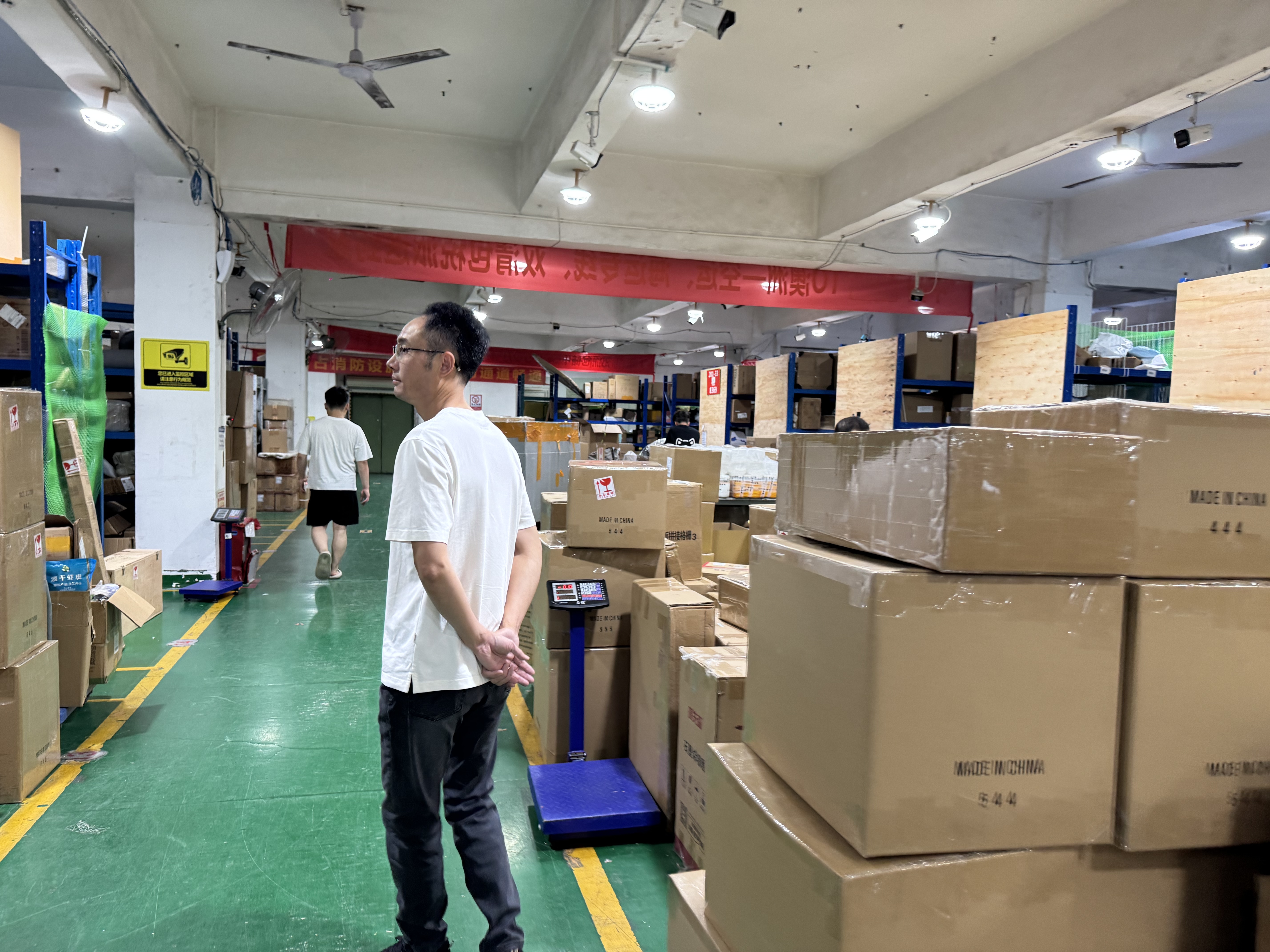
A good logistics company can handle all the paperwork and customs clearance procedures for you. For example, Shengda International Logistics, a company I've worked with, has a team of experts who are familiar with the 2026 regulations. They can help you prepare the correct documentation and ensure that your goods clear customs smoothly.
2. Plan Ahead
Due to the long transit time of sea freight and the possible delays at customs, it's important to plan your shipments well in advance. If you have a specific delivery date in mind, factor in extra time for any unforeseen circumstances.
3. Insure Your Goods
To protect yourself from potential losses, it's advisable to purchase insurance for your shipments. In case of damage, loss, or theft during transit, you can get compensation.
VI. FAQ
Q1: Can I import all types of used household goods from China to Australia in 2026? A: Not all types. There are restrictions on certain items, such as items made from endangered species, items with excessive dirt or pests, and some second - hand electronic items that do not meet Australian safety standards. The 2026 biosecurity regulations are quite strict, so it's important to do your research beforehand.
Q2: How long does the customs clearance process usually take for used household goods? A: It can vary. In normal circumstances, it may take 3 - 5 working days. But if there are issues with the documentation or if the goods need to be inspected further, it could take much longer. I've seen cases where the clearance process took up to two weeks.
Q3: What if my goods are seized by the ABF? A: If your goods are seized, the ABF will inform you of the reason. It could be due to non - compliance with biosecurity regulations, incorrect documentation, or other issues. You may be able to request a review or provide additional information to prove the legality of your shipment. However, in some cases, the goods may be destroyed or returned to China.
Q4: Is it better to use FCL or LCL for shipping used household goods? A: It depends on the size of your shipment. If you have a large quantity of goods that can fill a full container, FCL is a better option. It offers more security and less risk of damage. But if your shipment is small, LCL can be more cost - effective. Just be aware of the potential risks associated with LCL, such as longer transit times and possible misplacement.
Q5: Can I rely on a logistics company like Shengda International Logistics to handle everything? A: Yes, a reliable logistics company like Shengda International Logistics can handle most aspects of the shipping process, including documentation, customs clearance, and transportation. They have experience dealing with the 2026 regulations and can ensure that your goods are shipped smoothly. However, you still need to provide accurate information about your goods to the company.
So, if you're planning to import used household goods from China to Australia in 2026, do your homework, choose the right shipping method, and partner with a reliable logistics company. With proper planning, you can have a smooth shipping experience.
