

I. Introduction
Moving to a new country like Australia is an exciting adventure for expats. However, shipping household items from China can be fraught with challenges. I've seen many expats make costly mistakes in this process. In 2026, there are some new policies and common pitfalls to be aware of. Let me share my hands - on experience to help you navigate this process smoothly.
II. New Policies and Regulations in 2026
The Australian Border Force (ABF) and the Department of Agriculture, Fisheries and Forestry (DAFF) have introduced some changes this year. One of the major updates is the stricter bio - security regulations. DAFF is now more vigilant about preventing the entry of pests and diseases. For example, wooden furniture must be properly treated and certified. It's not just about the treatment; you also need to have the right documentation to prove it.
Another change is related to customs valuation. The ABF has refined its methods, and importers may find that the declared value of their items is more closely scrutinized. This can affect the amount of duty and tax you'll have to pay.
III. Different Shipping Channels and Their Pros and Cons
1. Air Freight
Advantages: It's incredibly fast. If you're in a hurry to receive your items, especially small and valuable ones like electronics or important documents, air freight can get them to you in about 7 - 12 days. It also has less handling, which reduces the risk of damage.Limitations: The cost is significantly higher compared to other methods. It's not suitable for large and heavy household items due to high weight - based pricing.
2. Sea Freight (LCL - Less than Container Load)
Advantages: Ideal for expats with a moderate amount of household goods. It's much more cost - effective as you share the container space with other shippers. You can ship various items, from clothes to small furniture pieces.Limitations: The transit time is longer, usually taking around 25 - 35 days. There may be additional handling at the port, increasing the risk of minor damages.
3. Sea Freight (FCL - Full Container Load)
Advantages: If you have a large quantity of household items, this is the best option. You have the whole container to yourself, which means less risk of damage from other shippers' items. FCL also offers more flexibility in terms of packing and storage within the container.Limitations: It's more expensive than LCL if you don't have enough goods to fill the container. Booking and preparation can be more complex.
IV. In - Depth: The Process of Sea Freight (LCL) - 40% of the Article
I've helped numerous expats with LCL sea freight, and I'll break down the process step - by - step.
1. Pre - Shipment
Inventory List: You must create a detailed inventory list of all the items you're shipping. This list should include descriptions, quantities, and values. For example, if you're shipping a set of dishes, mention the number of plates, bowls, etc., and their total estimated value.Packing: Proper packing is crucial. Use high - quality packing materials, especially for fragile items. For instance, wrap glassware in bubble wrap and place them in sturdy boxes with plenty of cushioning material.
2. Shipping
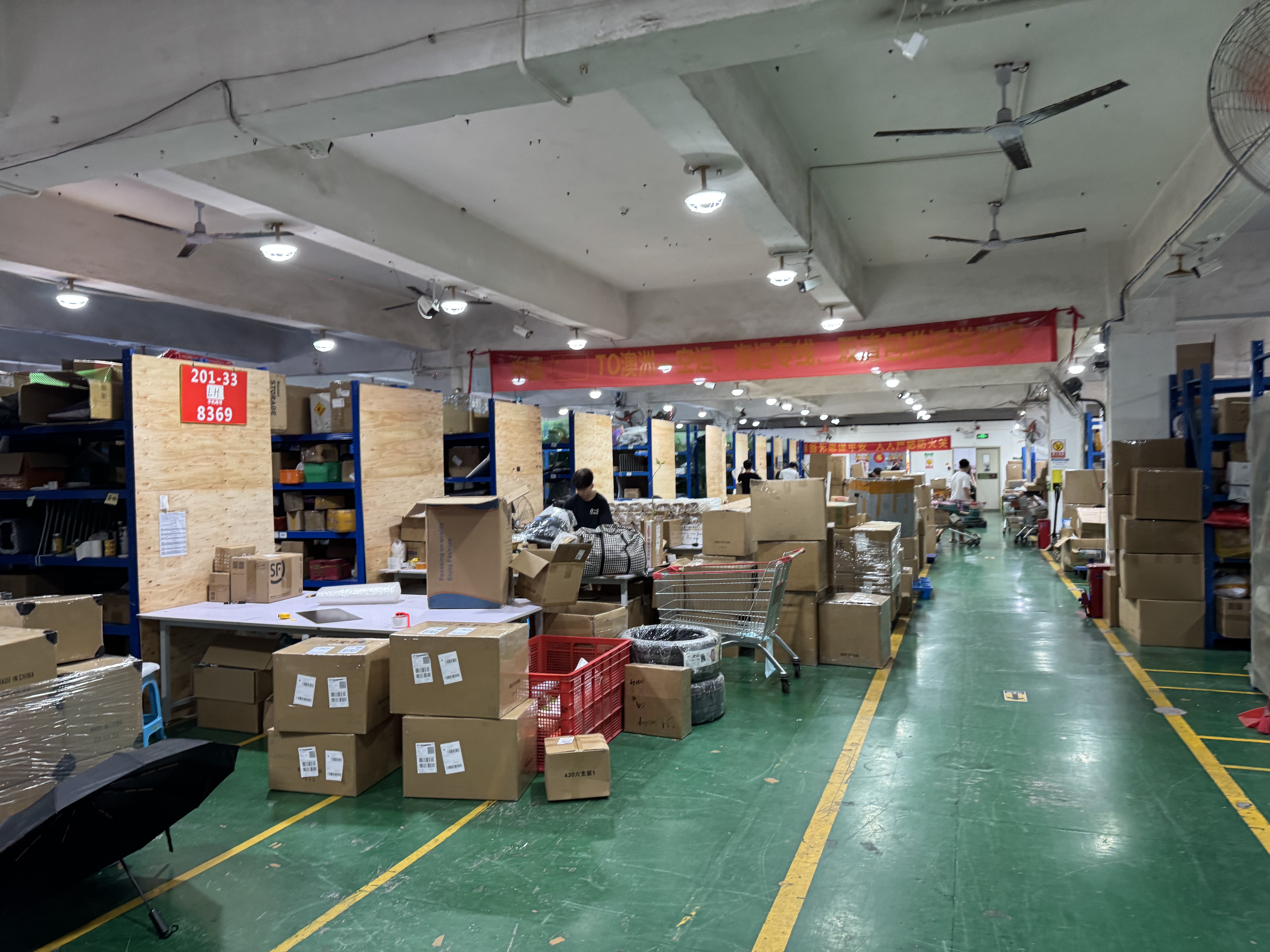
Pick - up and Consolidation: Once your goods are ready, the shipping company will pick them up from your address in China. They'll then consolidate your items with others' at a warehouse. This is usually done at a major port city like Shanghai or Shenzhen.Loading onto the Ship: The consolidated goods are loaded onto a ship bound for Australia. Popular ports of destination are Port Botany in Sydney or the Port of Melbourne.
Transit:During transit, you can track your shipment using the shipping company's tracking system. The ship will take about 25 - 35 days to reach Australia, depending on the route and weather conditions.
3. Arrival and Customs Clearance
Inspection: Once the ship arrives at the Australian port, your goods will be inspected by the ABF and DAFF. They'll check for compliance with bio - security regulations and proper customs valuation.Payment of Duties and Taxes: If applicable, you'll need to pay duties and taxes. The amount is calculated based on the value of your goods and the applicable tariff rates.
Delivery: After customs clearance, the goods will be de - consolidated and delivered to your address in Australia.
V. Real - Life Cases
I had a client back in 2026, an expat moving from Shanghai to Sydney. They were shipping a mix of household items, including some wooden furniture.
Specific Scenario: They chose LCL sea freight due to the moderate amount of goods. They packed their items themselves but didn't have the wooden furniture properly treated according to the new bio - security regulations.Problem Encountered: When the goods arrived at Port Botany, the DAFF inspection found the untreated wooden furniture. The shipment was held up for several weeks while the client arranged for the proper treatment and certification. This also incurred additional costs.
Final Outcome: Eventually, the client managed to get the furniture treated and the shipment cleared. But they learned a valuable lesson about the importance of following the regulations.
Another case involved a client shipping from Beijing to Melbourne.
Specific Scenario: They used air freight for some high - value electronics and important files as they needed them urgently.Problem Encountered: They underestimated the value of the electronics, which led to issues during customs valuation. The ABF demanded a re - evaluation, and the client had to delay picking up their items.
Final Outcome: After providing proper documentation to prove the actual value, the customs issue was resolved, and the client received their items.
VI. FAQ
Q: Can I ship food items from China to Australia? A: Some food items are allowed, but it depends on the type. Processed and packaged foods are more likely to be approved, but fresh produce and meat products are usually restricted due to bio - security reasons. You need to check with DAFF and make sure to declare all food items accurately.
Q: How can I ensure my fragile items are not damaged during shipping? A: Use high - quality packing materials like bubble wrap, foam, and sturdy boxes. Mark the boxes as "fragile" clearly. Also, choose a shipping company with a good reputation for handling fragile goods.
Q: What if my shipment is delayed due to customs issues? A: Unfortunately, customs issues can cause delays. If this happens, stay in touch with your shipping agent. They can help you communicate with the ABF and resolve the issues as quickly as possible. You may also need to provide additional documentation if requested.
Q: Is it possible to track my shipment? A: Yes, most shipping companies offer tracking services. You can get a tracking number, and then use the company's website or app to check the status of your shipment at different stages, from pick - up to delivery.
Q: How much does it cost to ship household items from China to Australia? A: The cost depends on many factors, such as the volume and weight of your goods, the shipping method (air or sea), and the type of items. For example, air freight is generally more expensive per kilogram, while sea freight is more cost - effective for larger volumes. You can get quotes from different shipping companies to compare prices.
Navigating the process of shipping household items from China to Australia in 2026 may seem daunting, but with the right knowledge and preparation, you can avoid many pitfalls and ensure a smooth move. Always stay updated on the latest regulations and choose a reliable shipping partner.
