

Hey there, Australian small business owners, importers, and e - commerce sellers! Shipping goods from China to Australia has become a common practice, but it's filled with pitfalls. I've been in the cross - border logistics game for years, dealing with all sorts of shipments. Let me share some real - world experiences and help you steer clear of common mistakes.
I. Ignoring New Customs and Biosecurity Regulations
1. New Policies in 2026
In 2026, the Australian Border Force (ABF) and the Department of Agriculture, Fisheries and Forestry (DAFF) have tightened their regulations. For example, there are stricter controls on wood products due to potential pest risks. Some customers in Melbourne ordered a batch of wooden furniture last year. They didn't know about the new requirement of a specific pest - control certificate. As a result, the shipment was held at Port Melbourne for over 10 days, incurring extra storage fees.
2. How to Comply
Before shipping, always check the official websites of ABF and DAFF. If you're shipping food products, be aware of the regulations on food additives and packaging materials. It might be a good idea to hire a customs broker who is well - versed in the latest regulations.
II. Inadequate Packaging
1. Real - world Consequences
Once, I had a client in Brisbane who was an apparel importer. They shipped a large quantity of delicate silk clothing without proper packaging. The clothing got wrinkled and even some pieces were torn during transit. The customer was very disappointed and the importer had to deal with compensation and re - shipping costs.
2. Packaging Tips
For fragile items, use materials like bubble wrap, foam inserts, or corrugated cardboard. For textiles, vacuum - sealing can reduce the volume and protect them from moisture. If you're shipping multi - part items, secure all the parts to prevent them from knocking into each other.
III. Incorrect Billing of Lading and Documentation
1. Common Errors
Incorrectly filled bill of lading is a frequent issue. For instance, a 3C electronics seller in Sydney once mislabeled the equipment's value on the bill of lading. They underestimated it to save on shipping costs. When the goods arrived at Port Botany, the customs officers discovered the discrepancy and imposed a fine. The shipment was also delayed.
2. Documentation Accuracy
Double - check all the information on the bill of lading, including the quantity, description, value, and origin of the goods. Make sure your commercial invoice matches the bill of lading. For any special requirements or restrictions, such as hazardous materials (even if it's just a small battery in an electronic device), document them clearly.
IV. Not Choosing the Right Shipping Method
1. Different Shipping Options
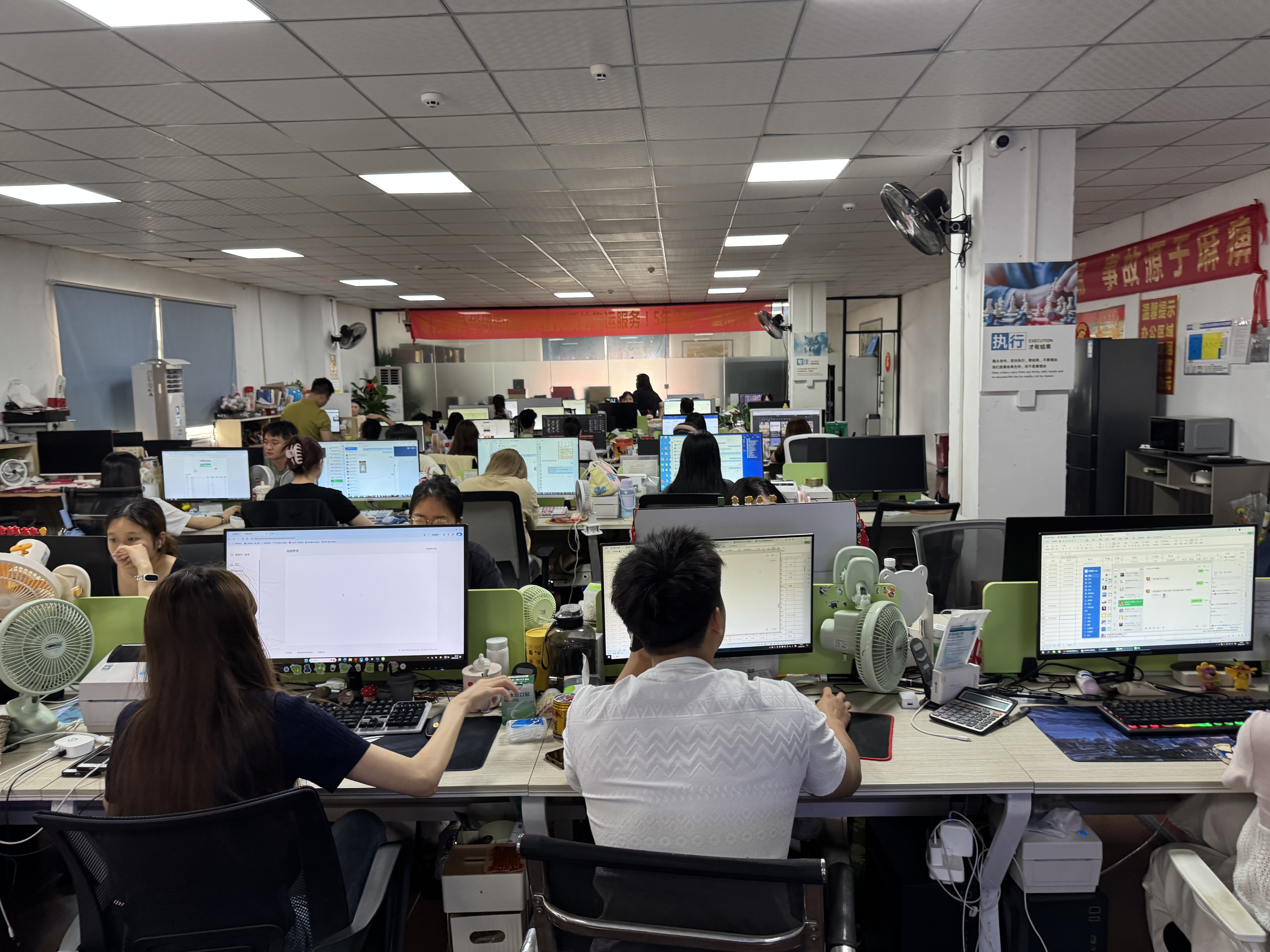
There are mainly air freight and sea freight. Air freight is fast but expensive, while sea freight is more cost - effective but slower. A home goods seller in Melbourne once needed to restock a popular item urgently. Instead of choosing air freight, they chose sea freight to save money. As a result, they missed the peak sales season, losing a significant amount of potential profit.
2. How to Select
Consider your budget, the urgency of your goods, and the size and weight of the shipment. If you have a small and urgent order, air freight might be the best choice. For large - volume and non - urgent shipments, sea freight is usually more economical. You could also use a combination of both in some cases.
V. Overlooking Hidden Costs
1. Cost Elements
Apart from the basic shipping fee, there are many hidden costs. For example, there might be port handling fees, customs clearance fees, and warehousing fees if there are delays. A trade factory in Sydney once shipped a large consignment of goods. They only focused on the quoted shipping price and didn't consider the additional fees. When the goods arrived, they were shocked by the high total cost.
2. Cost Estimation
Get a detailed cost breakdown from your logistics provider. Ask them to clarify all possible charges. You can also do some research on your own to understand the average fees in the market.
VI. FAQ
1. Is it necessary to use a customs broker?
It's not always necessary, but it can save you a lot of hassle, especially if you're not familiar with the Australian customs and biosecurity regulations. A customs broker can handle the paperwork, ensure compliance, and speed up the clearance process. For example, at our company, [盛达国际物流], our experienced brokers can help you navigate the complex regulations.
2. How can I track my shipment?
Most logistics providers offer a tracking system. You'll be given a tracking number, which you can use on the provider's website. Our company, [盛达国际物流], has a self - developed intelligent system that provides real - time updates on every stage of your shipment, from warehousing to delivery.
3. What if my goods are damaged during transit?
Make sure your shipment is insured. If you work with a reliable logistics provider like [盛达国际物流], we have a formal compensation mechanism for damaged or lost goods. We'll assess the situation and provide corresponding compensation according to the insurance policy.
4. Can I ship sensitive goods?
Yes, but it's more complicated. Some sensitive goods like food, cosmetics, and charged products require special handling and compliance. [盛达国际物流] has exclusive compliance declaration channels for sensitive goods, which can help you minimize the risk of customs inspection and detention.
5. How long does it usually take to ship from China to Australia?
It depends on the shipping method. Air freight usually takes about 7 - 12 days, while sea freight can take roughly 18 - 35 days, depending on the route and port congestion.
In 2026, shipping from China to Australia can be smooth if you avoid these common pitfalls. Stay informed, choose the right logistics partner, and you'll be on your way to successful cross - border trade.
