

I. Introduction
Hey there, Canadian small business owners, importers, and e - commerce sellers! If you're planning an immigration move from China to Canada in 2026, you're in for a mix of excitement and challenges. Moving across countries isn't just about packing your bags; it involves a complex web of logistics, customs regulations, and paperwork. I've been in the cross - border logistics industry for years, and I've seen firsthand how even small mistakes can lead to big headaches during an immigration move. So, let's dive into this full - process guide to make your journey as smooth as possible.
II. Pre - move Planning
Understand Canadian Customs Regulations in 2026 The Canadian Border Services Agency (CBSA) has updated its regulations in 2026. For instance, there are stricter rules regarding the import of food items, certain types of wood, and electronics. Before you start packing, visit the CBSA official website to get detailed information. You'll need to know what items are restricted, prohibited, or require special permits. I once had a client who tried to bring in a large amount of herbal medicine without knowing it was restricted. It ended up being confiscated at the border.Create an Inventory Make a detailed list of all the items you plan to move. Include descriptions, quantities, approximate values, and purchase dates. This inventory will be crucial for customs clearance and insurance purposes. You might also want to take photos of valuable items to document their condition before the move.
Choose a Reliable Logistics Provider This is a make - or - break decision. Look for a company with experience in immigration moves from China to Canada. A good provider will offer services like packing, shipping, customs clearance, and door - to - door delivery. I recommend checking online reviews and asking for referrals. For example, [Company Name] has a team of experts who are well - versed in the 2026 customs regulations and can handle all aspects of your move.
III. Packing and Labeling
Proper Packing Materials Use high - quality packing materials to protect your belongings during transit. For fragile items like glassware and electronics, use bubble wrap, foam, and sturdy boxes. For larger items like furniture, consider using moving blankets and shrink - wrap.Labeling Clearly label each box with its contents and the room it belongs in. This will make unpacking much easier. You can also use color - coded labels for different categories of items. For example, red for kitchen items, blue for bedroom items, etc.
IV. Shipping Options
Air Freight Air freight is the fastest option, with an average transit time of about 7 - 10 days. It's ideal for small, valuable, or time - sensitive items. However, it's also the most expensive. The cost can range from $5 - $10 per kilogram, depending on the weight and volume of your shipment.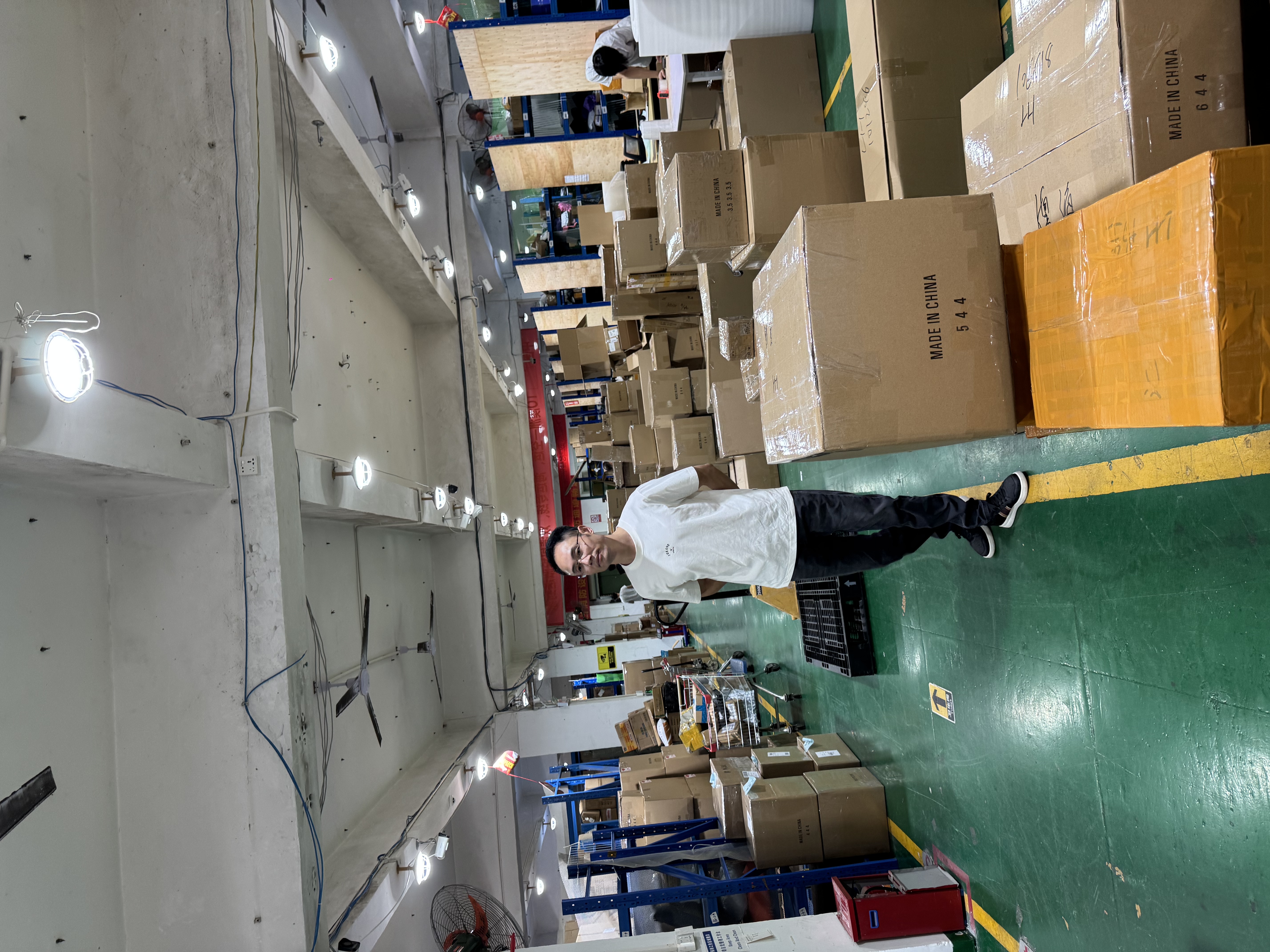
V. Customs Clearance
Required Documents You'll need to prepare several documents for customs clearance, including a detailed inventory, a copy of your immigration visa, a Bill of Lading or Airway Bill, and any applicable permits. Make sure all the information on these documents is accurate and up - to - date.Customs Declaration Fill out the customs declaration form honestly. Provide all the necessary information about your belongings, including their value and origin. Any false information can result in fines or delays.
VI. Arrival in Canada
Delivery and Unpacking Once your shipment arrives in Canada, your logistics provider will handle the delivery to your new home. They'll also help you with unpacking if you've arranged for this service. Make sure to inspect all your items for any damage during transit.Settling In After the move, take some time to settle into your new home. Organize your belongings according to your labels and make any necessary repairs or adjustments.
VII. FAQ
What if I have some items that are restricted but I really need to bring them? Well, if you have items that are restricted, you need to check with the Canadian authorities to see if you can get a special permit. For example, certain types of plants may require a phytosanitary certificate. It's best to start this process early, as it can take some time to get the necessary approvals.How can I ensure the safety of my valuable items during the move? First, use high - quality packing materials as I mentioned earlier. You can also consider purchasing insurance for your shipment. A reliable logistics provider can help you with this. They'll have experience in handling valuable items and can take extra precautions to ensure their safety.
What should I do if my shipment is delayed at customs? If your shipment is delayed at customs, the first thing to do is contact your logistics provider. They'll have more information and can work with the customs authorities to resolve the issue. It could be due to a missing document or further inspection. Just be patient and follow their advice.
Can I use my own packing materials or do I have to use the ones provided by the logistics company? You can use your own packing materials, but make sure they are of good quality. The logistics company may have specific requirements for packing, especially for fragile or large items. It's a good idea to discuss this with them in advance to avoid any issues.
How far in advance should I start the planning process? I recommend starting the planning process at least 2 - 3 months before your intended move date. This will give you enough time to research logistics providers, understand customs regulations, and pack your belongings properly. It also allows for any unexpected delays or issues that may arise.
