

I. Introduction
In 2026, as the cross - border e - commerce between China and Australia continues to thrive, China receiving warehouses play a vital role in the supply chain for Australian small business owners, importers, and e - commerce sellers. I've seen firsthand how these warehouses can be a double - edged sword. Some clients have had seamless experiences, while others have run into a web of problems. So, what exactly should you know about them?
II. Key Features of China Receiving Warehouses in 2026
Comprehensive Value - added Services China receiving warehouses these days offer a range of value - added services. For instance, many provide free consolidation of packages. This means that if you've sourced goods from different suppliers in China, they can be combined into one shipment at the warehouse. I had a client back in 2024 who was an apparel importer based in Melbourne. They were buying clothes from multiple factories in Guangzhou. The receiving warehouse not only grouped all the items but also helped re - pack them to reduce shipping volume. This led to significant savings on shipping costs. Another common service is quality inspection. Before shipping the goods to Australia, the warehouse staff can check products for defects. This is crucial as it helps you avoid receiving sub - standard items. In 2026, with stricter quality control requirements from the Australian Border Force (ABF), this service can save you a lot of hassle and money.Advanced Inventory Management Most modern receiving warehouses in China are equipped with sophisticated inventory management systems. These systems allow you to track your goods in real - time. You can see when items arrive at the warehouse, their current status, and even set alerts for low stock levels. It's like having an extra pair of eyes on your inventory. A 3C electronics seller from Sydney once told me that the inventory management system of the receiving warehouse he used was a game - changer. He could plan his orders more effectively and avoid stock - outs, which improved his customer satisfaction.
III. Advantages of Using China Receiving Warehouses
Cost Savings By using a receiving warehouse in China, you can take advantage of lower storage and handling costs. In China, labor and real - estate prices are generally lower compared to Australia. Additionally, as mentioned earlier, services like package consolidation can reduce your shipping costs. For small businesses, these cost savings can be a significant boost to the bottom line.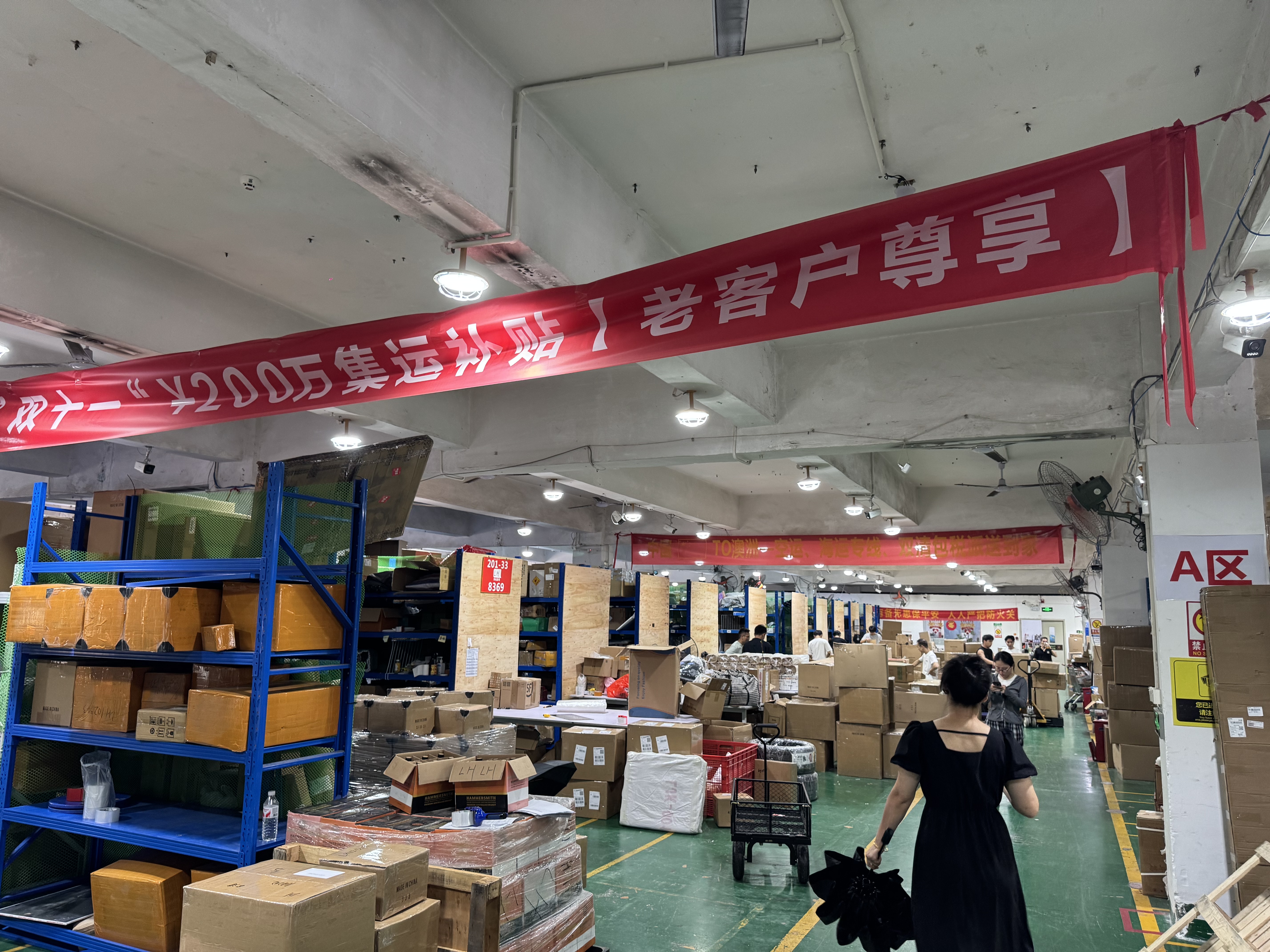
Improved Efficiency These warehouses streamline the shipping process. They have established relationships with freight forwarders and can often get better rates and faster shipping times. For example, they can arrange for direct shipping from China to major Australian ports like Port Botany or Port of Melbourne. This reduces the time your goods spend in transit and gets them into the hands of your customers more quickly.
IV. Potential Pitfalls and How to Avoid Them
Quality Control Issues Although many warehouses offer quality inspection services, there can still be discrepancies. Some warehouses may have less - experienced staff or use different standards. To avoid this, it's important to clearly communicate your quality requirements to the warehouse. You can also ask for sample inspections before full - scale shipments. I once had a client who ordered home goods from China. The warehouse missed some minor defects during inspection, which led to customer complaints. After that, we made sure to be more specific with our quality criteria.Communication Barriers Language and time - zone differences can pose challenges. To overcome this, look for warehouses that have English - speaking staff or offer multilingual support. Also, establish clear communication channels and response times. For example, you can use email and instant messaging platforms to stay in touch.
Security Concerns There is always a risk of theft or damage to your goods in the warehouse. Choose a warehouse with proper security measures in place, such as CCTV cameras, access control systems, and insurance options. Make sure to review the warehouse's security policies before signing a contract.
V. Choosing the Right China Receiving Warehouse
Location The location of the warehouse is important. It should be close to major transportation hubs like ports and airports. This will ensure faster and more cost - effective shipping. For example, a warehouse in Shenzhen is well - positioned as it has easy access to both sea and air transportation.Reputation Check the warehouse's reputation in the industry. You can look for reviews from other Australian businesses, ask for references, or check industry forums. A warehouse with a good reputation is more likely to provide reliable services.
Service Offerings Make sure the warehouse offers the services you need, such as package consolidation, quality inspection, and inventory management. Compare the service packages of different warehouses to find the best fit for your business.
VI. FAQ
How much does it cost to use a China receiving warehouse? Costs can vary widely depending on the services you need. Storage fees are usually calculated based on the volume or weight of your goods and the length of time they are stored. Value - added services like package consolidation and quality inspection also come with additional charges. On average, you might expect to pay around $5 - $15 per cubic meter per month for storage, but this is just an estimate.Can I trust the quality inspection services of China receiving warehouses? Most reputable warehouses take quality inspection seriously. However, it's important to set clear quality standards with them. You can also do your own spot - checks or use a third - party inspection agency for more critical shipments.
What happens if there is a delay in shipping from the receiving warehouse? It depends on the reason for the delay. If it's due to issues on the warehouse's end, such as mismanagement or labor strikes, they should compensate you according to the contract. In case of external factors like bad weather or port congestion, it's a bit more complicated. Make sure your contract has clear terms regarding delays and liability.
Do I need to pay taxes and duties when my goods are stored in the China receiving warehouse? No, you don't pay Australian taxes and duties while the goods are in the China receiving warehouse. These are usually paid when the goods enter Australia. However, you need to ensure proper documentation for customs clearance.
Can I change the shipping method after my goods are in the receiving warehouse? In most cases, yes. You can contact the warehouse staff and discuss changing the shipping method. However, there may be additional fees involved, especially if it requires a change in the packaging or handling of the goods.
In 2026, China receiving warehouses can be a great asset for Australian businesses involved in cross - border trade. By understanding their features, advantages, and potential pitfalls, you can make the most of these facilities and improve your business operations. Just be diligent in choosing the right warehouse and communicating your needs clearly.
