

I. Introduction
Hey there, Australian small business owners, importers, and e - commerce sellers! In 2026, shipping full - container loads (FCL) from China to Australia has become a vital part of many businesses. But it's not without its challenges. I've been in the cross - border logistics field for quite some time, and I've seen firsthand how things can go wrong if you're not careful.
Let me share an anecdote. A client back in 2024, an apparel importer in Sydney, decided to ship a large FCL of new season clothes from China. They didn't do proper research, and the shipping company they chose had hidden fees. Not only did it cost them more than expected, but the shipment was also delayed, causing them to miss the peak sales season. So, let's delve into what you need to know about FCL container shipping this year.
II. 2026 Policy Updates Affecting FCL Shipping
In 2026, there have been some significant updates from the Australian Border Force (ABF) and the Department of Agriculture, Fisheries and Forestry (DAFF). DAFF has tightened biosecurity regulations. If your container has any items that could pose a biosecurity risk, like wooden products or certain food items, they require more detailed documentation. For example, wooden products need to have a valid phytosanitary certificate.
The ABF has also changed some customs valuation rules. They are now more strict about accurate declaration of the value of goods. This means that under - declaring or over - declaring the value can lead to serious consequences, such as fines or even seizure of the container.
III. Key Steps in the FCL Shipping Process (Detailed Section - 40% of the text)
1. Container Booking
The first step is to book a container. You have different options like 20GP, 40GP, or 40HQ. For instance, if you're a home goods seller in Melbourne who is shipping a large quantity of furniture, you might need a 40HQ container. It's best to book in advance, especially during peak shipping seasons. A while back, I had an importer who waited until the last minute to book a 40GP container for his electronics shipment. By then, all the available containers were booked, and he had to wait for weeks, losing potential sales.
2. Cargo Loading
Once the container is booked, it's time to load the cargo. Make sure the goods are properly packed and secured. Fragile items should have extra protection. I once handled a shipment of glassware for an importer in Brisbane. The packing was sub - standard, and when the container arrived, a significant number of items were broken. If it's heavy machinery, proper lashing and bracing are necessary to prevent movement during transit.
3. Customs Clearance
Customs clearance is a critical step. In 2026, with the new regulations, it's more important than ever to have accurate documentation. You need to provide the bill of lading, commercial invoice, packing list, and any relevant certificates like the phytosanitary certificate for wooden products. All the information on these documents must match, or it can lead to delays. I recall a 3C electronics seller in Sydney whose shipment was held up at Port Botany because there was a mismatch between the description of the goods on the commercial invoice and the packing list.
4. Shipping and Delivery
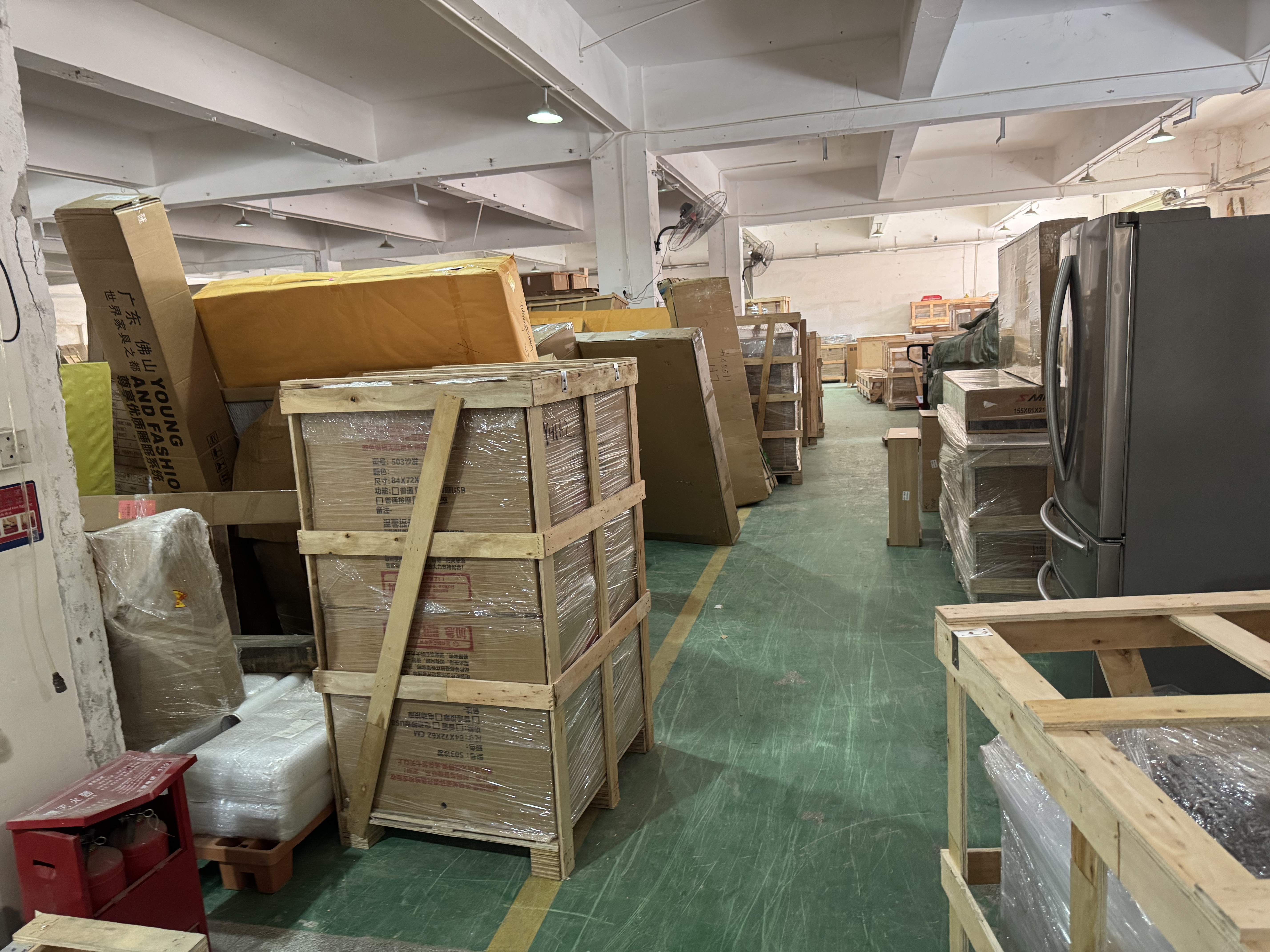
After customs clearance, the container is loaded onto the ship and set sail for Australia. Shipping times can vary depending on the port of departure in China and the destination port in Australia. A direct shipment from Shanghai to the Port of Melbourne can take roughly 14 days, but if there are trans - shipments, it can take up to 21 days. Once the container arrives in Australia, it will be transported to your warehouse or distribution center, and you'll receive your goods.
IV. Choosing the Right Shipping Partner
Selecting a reliable shipping partner can make or break your FCL shipping experience. You should look for a company with experience in China - Australia shipping. They need to understand the 2026 regulations well.
Let me recommend Shengda International Logistics. They've been in the game for a while, and they have a team of experts who are well - versed in the latest policies. They offer a one - stop service, including container booking, cargo loading supervision, customs clearance, and delivery. Their charges are transparent, and they have a high - success rate of getting shipments through customs smoothly. But it's also important to note that while choose them, you still need to communicate your needs clearly to ensure a seamless process.
V. Cost Breakdown
The cost of FCL shipping from China to Australia consists of several components.
| Cost Component | Description |
|---|---|
| Freight Cost | This is the fee for transporting the container by sea. It depends on the container size and the shipping route. For a 20GP container from Shenzhen to Sydney, the freight cost can be around $1,800 in 2026. |
| Terminal Handling Charges | These are fees charged by the ports for handling the container. They include loading and unloading. In some ports, it can be as high as $300 per container. |
| Customs Clearance Fees | Payable for the service of getting the container through customs. It usually ranges from $200 - $500, depending on the complexity of the goods. |
| Insurance | It's advisable to get insurance for your shipment. The cost is usually a small percentage, about 0.2% - 0.5% of the value of the goods. |
| Other Costs | There may be costs like documentation fees, inland transportation fees in China, etc. |
VI. FAQ
How can I ensure my goods pass the biosecurity check in 2026? Well, you need to follow the DAFF regulations closely. Make sure all your goods are properly described. If you're shipping items like wooden products, get a valid phytosanitary certificate. And always be honest in your declarations. Shengda International Logistics can also help you with the documentation and compliance.
What if my shipment is delayed due to customs issues? Delays can be frustrating. First, check with your shipping partner to see what's going on. If it's a documentation issue, work quickly to correct it. Sometimes, it might be a random inspection. Shengda International Logistics has experience in handling such situations and can usually speed up the process.
Is it necessary to get cargo insurance? It's highly recommended. Shipping involves risks like damage, loss, or theft. Insurance can protect your investment. Even though it adds a bit to the cost, it can save you a lot of money in case something goes wrong.
How far in advance should I book my FCL container? It depends on the season. During peak seasons like before Christmas or Chinese New Year, it's best to book at least 3 - 4 weeks in advance. In normal times, 2 weeks should be sufficient. But it's always better to be on the safe side and book early.
Can I track my FCL container during transit? Most shipping companies, including Shengda International Logistics, offer tracking services. You can usually get real - time updates on the location of your container through their online platforms. This way, you can plan your inventory and distribution better.
In 2026, FCL container shipping from China to Australia has its complexities, but with the right knowledge and a reliable partner, you can navigate the process smoothly and grow your business. Keep these tips in mind, and you'll be well on your way to successful imports.
