

I. Introduction: Starting with Common Pitfalls
Shipping personal packages to Canada might seem straightforward, but in 2026, there are more pitfalls than you'd expect. I've seen numerous clients hit bumps in the road, like having their packages delayed at customs or even facing unexpected fees. This article dives into essentials to sidestep these issues.
II. Regulatory Updates and Their Impact
1. New Customs Declaration Rules
The Canadian Border Services Agency (CBSA) has tightened its rules on customs declarations. I had a client earlier this year who sent some electronics from China to Vancouver. They didn't accurately list all the components, and the package got held up for over a week. Now, you must detail every item in your package, including its value, origin, and description. It's a good idea to use the Harmonized System (HS) codes for accurate classification.
2. Food and Agricultural Product Restrictions
With 2026's updated regulations, sending food and agricultural products has become trickier. The Canadian Food Inspection Agency (CFIA) is highly vigilant. For instance, certain fruits and meats are strictly prohibited to prevent the spread of pests and diseases. If you're thinking of sending snacks or specialty foods, double - check the CFIA's official website. A friend once tried to send some homemade jam to his family in Toronto. The package was confiscated because they didn't know about the detailed requirements for food imports.
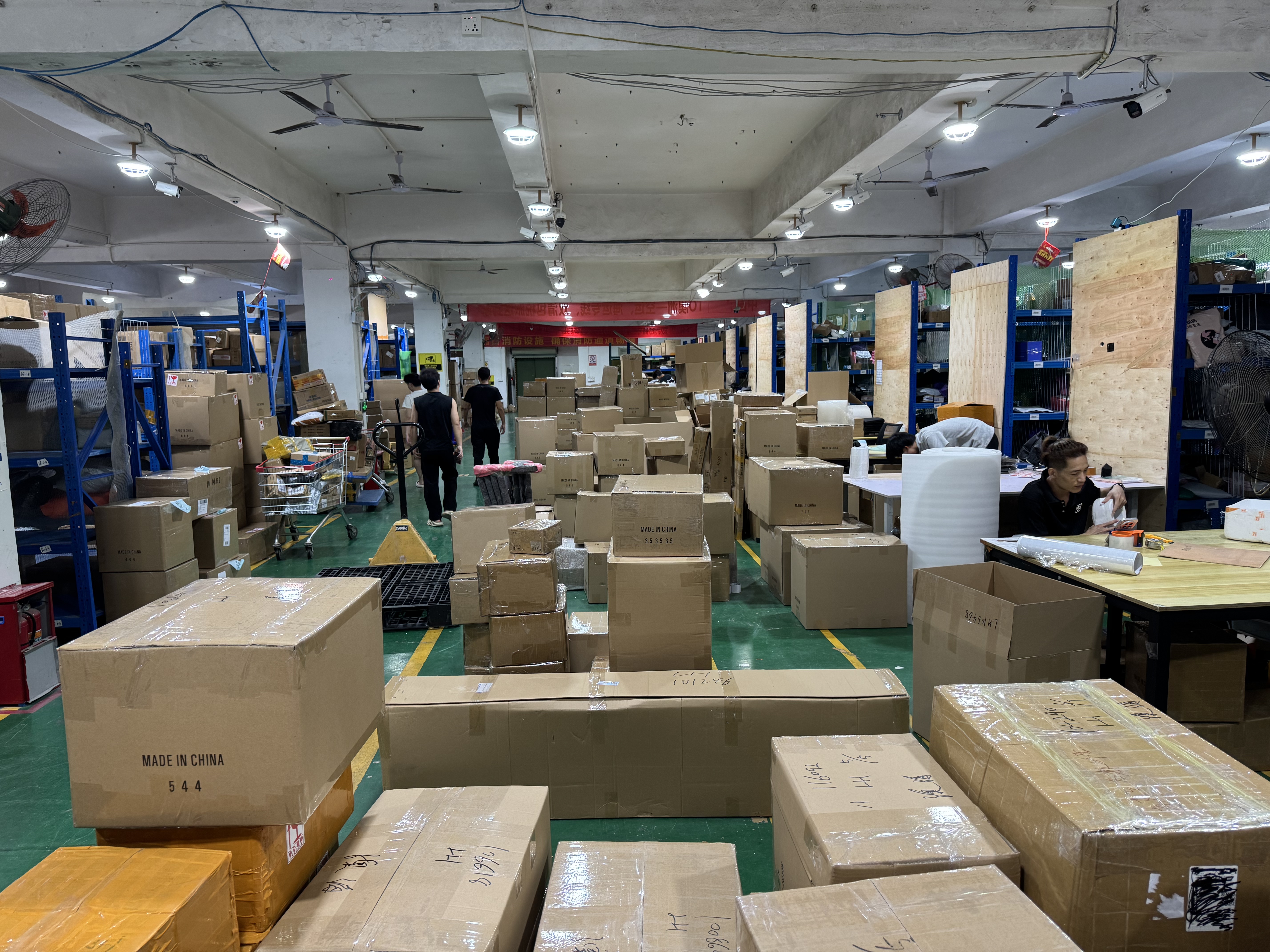
III. Choosing the Right Shipping Method
1. Air Freight: Speed vs. Cost
Air freight is fast, usually taking 7 - 12 days for delivery. It's great for urgent items like medications or important documents. However, it can be quite expensive, especially for larger packages. For example, shipping a small box of clothes from Shenzhen to Calgary by air might cost around CAD 100 - 150. But if time is of the essence, it's worth the investment.
2. Sea Freight: Cost - Effective but Slow
Sea freight is a more budget - friendly option, especially for larger or heavier items. It's ideal for furniture or multiple boxes of household goods. The transit time can be anywhere from 20 to 40 days, depending on the port of departure and arrival. Shipping a full container from Shanghai to the Port of Vancouver could cost approximately CAD 2,500 - 3,500. But be prepared for longer waiting times.
IV. Packaging and Labeling
1. Proper Packaging to Avoid Damage
In 2026, due to increased handling and transportation processes, proper packaging is crucial. For fragile items like glassware or electronics, use plenty of bubble wrap and sturdy boxes. I've seen far too many packages arrive damaged because of inadequate packaging. One time, a client shipped a set of delicate china plates to Montreal. The plates were just loosely placed in a box, and they arrived in pieces.
2. Clear Labeling for Smooth Delivery
Make sure your package is clearly labeled with the recipient's address, your return address, and a detailed description of the contents. Incorrect or unclear labeling can lead to delays or misdelivery. For example, if you write the wrong postal code, the package might end up in the wrong city.
V. Working with a Reliable Logistics Provider
1. Benefits of Using a Trustworthy Company
A reliable logistics provider can make your shipping experience hassle - free. Take [Nova Express Logistics] for example. With their knowledge of the Canadian customs regulations and extensive network, they can handle the paperwork, customs clearance, and delivery efficiently. They also offer tracking services, so you can stay updated on your package's whereabouts.
2. How to Choose the Right One
When choosing a logistics provider, look for companies with experience in shipping to Canada. Check their reviews and ask for recommendations. Ensure they are properly licensed and insured. For example, [Nova Express Logistics] has been in the business for over 10 years and has a large customer base, which is a good sign of their reliability.
VI. FAQ
Q1: How much can I send to Canada without paying duty? A: As of 2026, you can send goods worth up to CAD 200 without paying duty. However, if the goods are subject to the Goods and Services Tax (GST) or other provincial sales taxes, you'll still need to pay those.
Q2: Can I ship alcohol to Canada? A: It depends. Each province has its own regulations regarding the import of alcohol. You're generally allowed to bring a limited amount for personal use, but you'll likely need to pay both duty and taxes. And you'll have to go through proper customs procedures.
Q3: What if my package is delayed at customs? A: Delays can happen for various reasons, like incorrect documentation or random inspections. Contact your logistics provider. They can usually check with the customs authorities on your behalf and find out what the hold - up is.
Q4: Is it safe to ship valuable items? A: It can be, but you need to take extra precautions. Use a reliable logistics provider that offers insurance. Also, make sure to document the value of the items properly and use high - quality packaging to prevent damage.
Q5: Can I track my package? A: Most logistics providers offer tracking services. Once your package is shipped, they'll give you a tracking number. You can use this number on their website or app to get real - time updates on your package's location and delivery status.
