

I. Introduction
In 2026, the landscape of Less than Container Load (LCL) Delivered Duty Paid (DDP) shipping to Canada has witnessed significant changes. As an industry insider with hands - on experience in cross - border logistics between China and Canada, I've seen many businesses, especially small business owners, importers, and e - commerce sellers, struggle with the complexities of LCL DDP shipping. I remember a client back in 2024 who was an apparel importer in Vancouver. He had a shipment of trendy clothes from China. Due to a lack of understanding of the LCL DDP process, he faced unexpected delays and extra costs. This is a common scenario, and that's why I'm here to share a full - process guide.
II. Understanding LCL DDP Shipping
Definition and Basics LCL DDP is a shipping method where the shipper is responsible for all costs and risks until the goods are delivered to the consignee's specified location in Canada. It's ideal for small businesses that don't have enough goods to fill a full container. In 2026, with the new regulations from the Canadian Border Services Agency (CBSA), the process has become more streamlined in some aspects but also more strict in compliance requirements.
Advantages and Disadvantages
Advantages: Cost - effective for small shipments, as you only pay for the space your goods occupy in the container. It also offers more flexibility in terms of shipment volume. For example, a home goods seller in Toronto can ship a small batch of unique decorative items without having to wait to fill a whole container.Disadvantages: Longer transit times compared to Full Container Load (FCL) shipping, as the container needs to be consolidated with other shipments. There's also a higher risk of damage during the consolidation and de - consolidation processes.
III. The Full - Process of LCL DDP Shipping to Canada (Deep - Dive Section, 40% of the Article)
Pre - Shipment Preparation
Product Classification: Determine the correct Harmonized System (HS) codes for your products. This is crucial as it affects the customs duty rates. For instance, a 3C electronics seller in Montreal needs to accurately classify their smartphones, tablets, and accessories. Incorrect classification can lead to over - or under - payment of duties and potential customs penalties.Documentation: Prepare all the necessary documents, including the commercial invoice, packing list, bill of lading, and any certificates required for your products. In 2026, new eManifest requirements have been introduced by the CBSA. The eManifest must be submitted in advance, providing detailed information about the shipment, including the shipper, consignee, and product details.
Packaging: Ensure your goods are properly packed to withstand the long - distance shipping and handling. For fragile items, use extra padding and protective materials. A trade factory in Calgary shipping glassware should use bubble wrap, foam inserts, and sturdy boxes.
Shipping and Consolidation
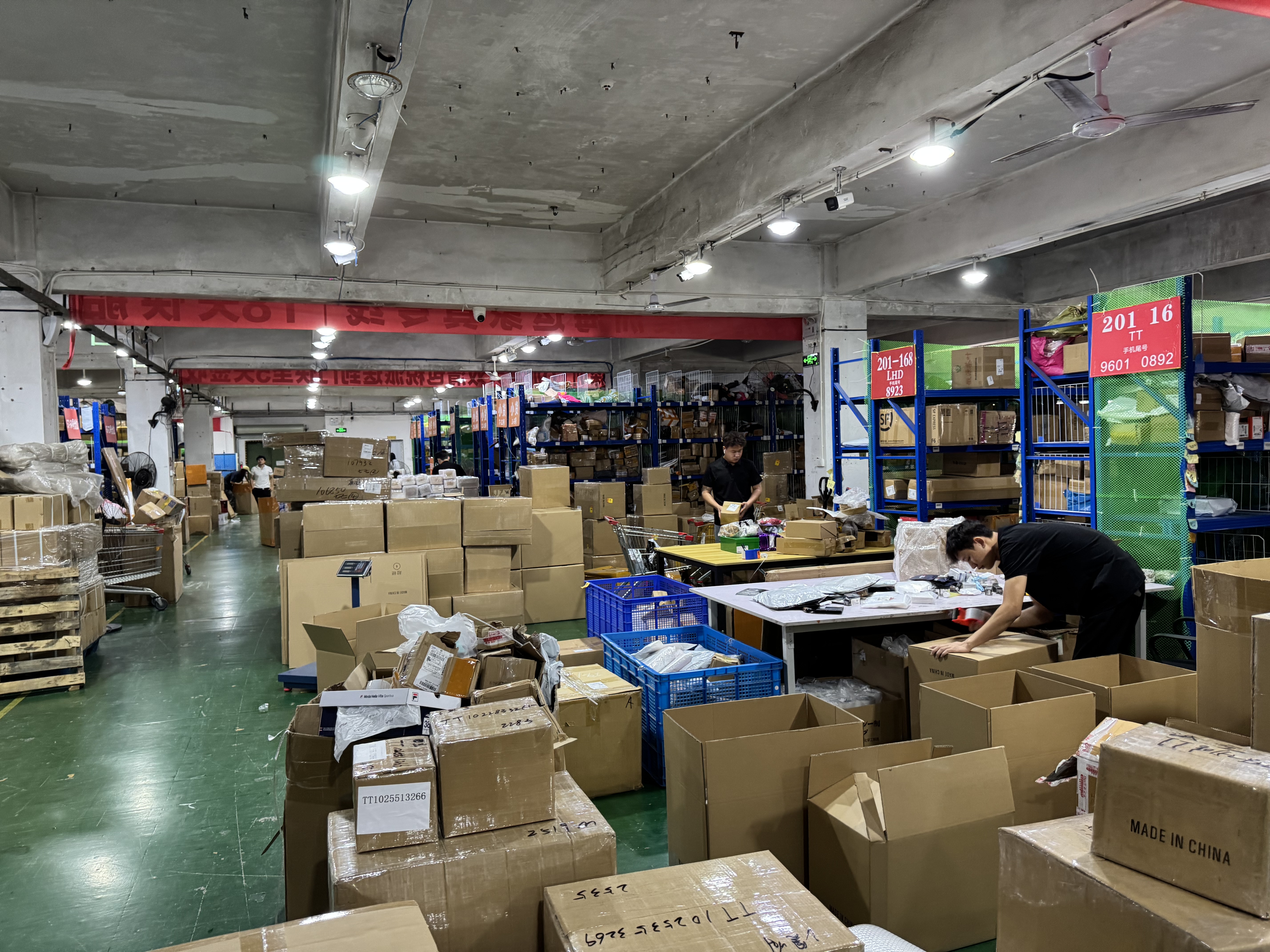
Carrier Selection: Choose a reliable freight forwarder or shipping carrier. Look for one with experience in LCL DDP shipping to Canada and a good track record of on - time delivery and customs clearance. In my experience, some carriers may offer better rates but have a higher incidence of delays.Consolidation Process: Your goods will be combined with other shipments at a consolidation warehouse. This process usually takes a few days. The warehouse staff will check the quantity and quality of your goods and ensure they are properly stowed in the container.
Transit and Tracking
Transit Time: The transit time for LCL DDP shipping to Canada can range from roughly 18 to 35 days, depending on the origin port, shipping route, and any potential delays at customs. For example, shipments from Shanghai to the Port of Vancouver may take around 20 days on average.Tracking: Most carriers provide online tracking services. You can monitor the progress of your shipment in real - time, from the consolidation warehouse to the destination port. This helps you plan for the arrival of your goods and communicate with your customers.
Customs Clearance in Canada
Duty and Tax Calculation: The CBSA will calculate the duties and taxes based on the value of your goods, the HS codes, and the applicable trade agreements. In 2026, there have been some adjustments to the duty rates, especially for certain products related to environmental and safety standards.Inspection: There is a possibility of customs inspection. The CBSA may randomly select your shipment for a detailed inspection, which can cause delays. If your goods pass the inspection, they will be released for delivery.
Final Delivery
Last - Mile Delivery: Once the goods are cleared through customs, they will be transported to the final destination. Most LCL DDP services include last - mile delivery, either by a courier or a local transportation company.Receipt of Goods: The consignee should check the quantity and quality of the goods upon receipt. If there are any damages or discrepancies, they should report them immediately to the carrier or the freight forwarder.
IV. Tips for a Smooth LCL DDP Shipping Experience
Plan Ahead Give yourself enough time for pre - shipment preparation and transit. Don't wait until the last minute to book your shipment, especially during peak seasons.Work with Professionals Partner with a reliable freight forwarder who has in - depth knowledge of the Canadian market and the LCL DDP process. They can help you navigate the customs regulations and ensure everything goes smoothly.
Stay Informed Keep up with the latest changes in Canadian customs policies and regulations. Subscribe to industry newsletters or follow official government websites to stay informed.
V. FAQ
What are the main reasons for delays in LCL DDP shipping to Canada? Well, there are a few reasons. Customs inspection can be a big one. If your shipment is selected for inspection, it can take anywhere from a few days to a couple of weeks. Another reason is weather conditions. For example, heavy snow or storms in Canada can cause delays at the ports. Also, the consolidation process can be delayed if there are issues with other shipments in the same container.
How can I reduce the risk of customs issues? Accurate product classification and proper documentation are key. Make sure you use the correct HS codes and provide all the required certificates. It's also a good idea to work with a freight forwarder who has experience in Canadian customs clearance. They can help you prepare the documents correctly and avoid common mistakes.
What should I do if my goods are damaged during shipping? First, document the damage as soon as possible. Take photos and write down a detailed description. Then, contact your freight forwarder or carrier immediately. They will guide you through the claims process. Most carriers have a standard procedure for handling damaged goods, and if you have proper insurance, you should be able to get compensation.
Can I track my LCL DDP shipment in real - time? Yes, most carriers offer online tracking services. You can usually get the tracking number once your shipment has been consolidated. Just enter the tracking number on the carrier's website, and you can see the status of your shipment, including its location, transit time, and estimated arrival date.
How do I choose the right freight forwarder for LCL DDP shipping to Canada? Look for a freight forwarder with experience in LCL DDP shipping to Canada. Check their reviews and reputation in the industry. You can also ask for references from other businesses. A good freight forwarder should be able to provide you with competitive rates, reliable service, and good customer support. Also, make sure they are aware of the latest Canadian customs regulations.
