

Ⅰ. Introduction
So, you're looking to move your household furniture to Canada in 2026. It's an exciting venture, but it's not without its challenges. I've been in the cross - border logistics business for a long time, and I've seen plenty of people run into issues during furniture moves. Let me share some insights to help you avoid these pitfalls.
Ⅱ. Understanding the New Policies in 2026
The Canadian Border Services Agency (CBSA) has introduced several changes in 2026 that directly impact the import of household furniture. For one, the documentation requirements have become stricter. You now need to provide a detailed inventory list of all the furniture items, including their age, origin, and current value.
I remember a client in early 2026 who was trying to move a set of antique chairs from China. They didn't have proper documentation about the age and origin of the chairs. As a result, their shipment was held at the Port of Vancouver for almost two weeks. The client had to scramble to get the necessary paperwork, which ended up costing them extra time and money.
Another important aspect is the new environmental regulations. If your furniture contains certain materials like wood from protected forests, it won't be allowed into the country. Make sure your furniture is compliant with these regulations to avoid any hassles.
Ⅲ. Choosing the Right Shipping Method
When it comes to moving furniture to Canada, you have two main options: air freight and sea freight. Each has its own advantages and disadvantages, and choosing the wrong one can lead to significant problems.
Air Freight: It's fast, with an average transit time of about 7 - 10 days. However, it's also extremely expensive, especially for large and heavy furniture. In addition, the weight and size restrictions can be a major drawback. For example, if you have a large armoire, it may not be suitable for air freight due to its size.
Sea Freight: This is a more cost - effective option, especially for large volumes of furniture. Sea freight can take anywhere from 20 - 40 days, depending on the departure port and the route. But you need to be aware of potential delays due to bad weather, port congestion, or strikes. I once had a client who chose sea freight for their furniture move. The shipment was delayed by almost three weeks because of a strike at a major Chinese port. This caused a lot of inconvenience as they had already moved into their new home in Toronto and were waiting for their furniture.
Ⅳ. Selecting a Reliable Logistics Partner
This is perhaps the most crucial step in avoiding pitfalls. A good logistics partner will handle all the details, from packing and shipping to customs clearance. Unfortunately, there are many fly - by - night operators in the market. I've seen clients who have been scammed by unreliable logistics companies.
One of my early clients in 2024 had a very bad experience. They hired a cheap logistics company to move their furniture to Montreal. The company promised a quick and hassle - free service, but in the end, they disappeared with the money. The client lost their furniture and the money they had paid.
Here's what you should look for in a logistics partner:
Experience: Choose a company that has years of experience in cross - border furniture shipping to Canada. They'll be more likely to handle any issues that arise.Reputation: Check online reviews and ask for references. A company with a good reputation is more likely to provide reliable service.
Insurance: Make sure the company offers insurance coverage. This will protect your furniture in case of damage or loss during transit.
Ⅴ. Proper Packing and Labeling
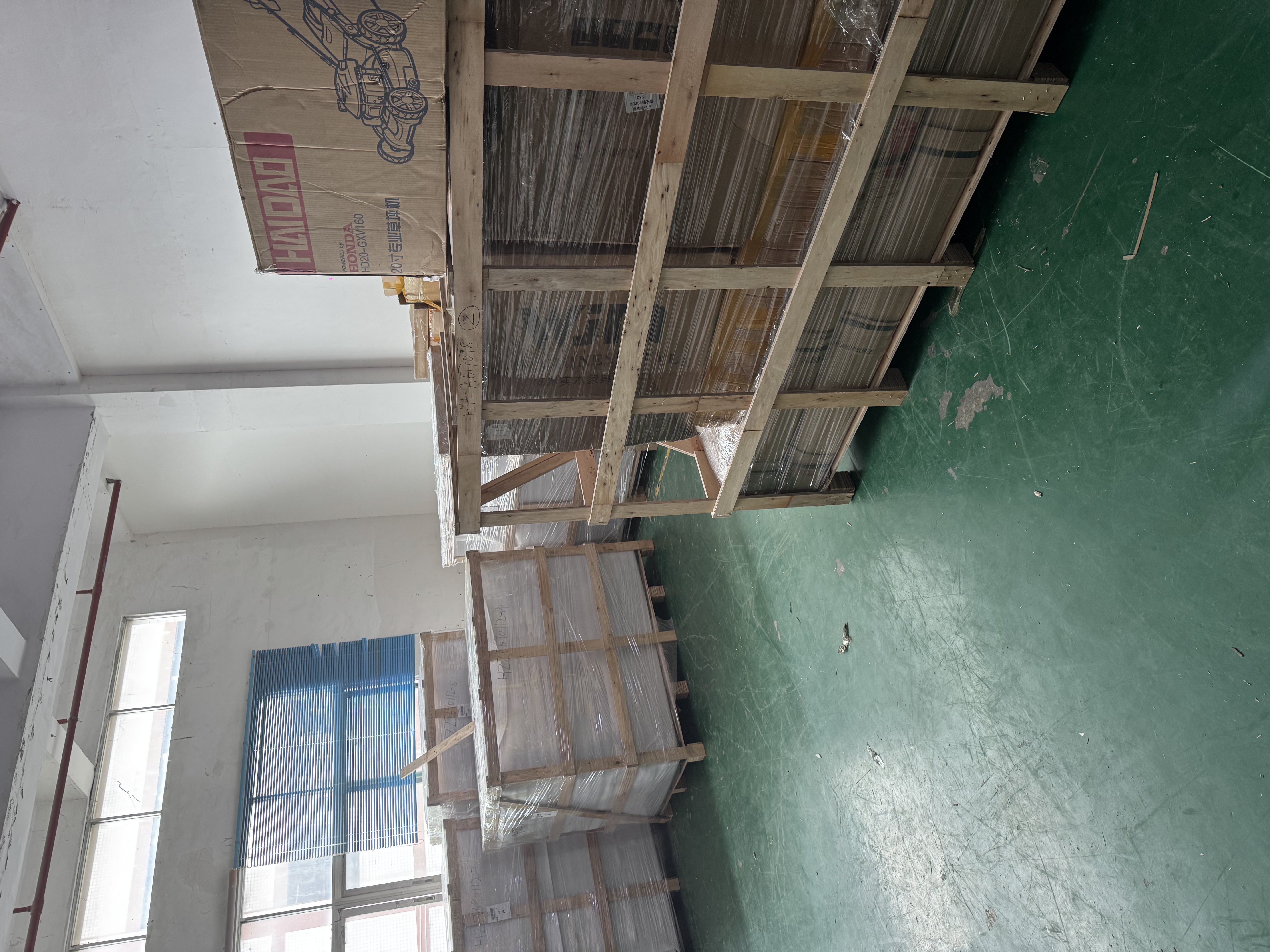
Proper packing is essential to ensure your furniture arrives in Canada in one piece. Different types of furniture require different packing methods. For example, glass items need to be packed with plenty of bubble wrap and placed in a sturdy box. Wooden furniture may need to be wrapped in protective blankets.
Labeling is also important. Clearly label each box with the contents and the destination address. This will help the logistics team handle your shipment more efficiently. A client of mine once had a problem where the boxes were not labeled correctly. As a result, some of the furniture ended up in the wrong city, causing a big headache.
Ⅵ. FAQ
I'm on a tight budget. Should I still choose air freight for a faster delivery? It depends. If time is of the essence and you have a relatively small amount of furniture, air freight might be worth the extra cost. But if you can afford to wait, sea freight is a much more cost - effective option.
How can I make sure my logistics partner is reliable? Do your research. Check reviews online, ask for references, and see if they're a member of any industry associations. Also, make sure they have proper insurance and licenses.
What should I do if my furniture is damaged during transit? If your furniture is insured, contact your logistics partner immediately. They'll guide you through the claims process. If it's not insured, you may have to bear the loss, which is why insurance is so important.
Can I ship my antique furniture to Canada? Yes, you can, but you need to have proper documentation about its age and origin. As I mentioned earlier, without the right paperwork, it could get held up at the border.
Moving household furniture to Canada in 2026 can be a smooth process if you're well - informed and take the right precautions. By understanding the new policies, choosing the right shipping method and logistics partner, and packing your furniture properly, you can avoid most of the common pitfalls.
