

Introduction
Are you an Australian small business owner, importer, or e - commerce seller considering relocating furniture from China in 2026? The furniture market between China and Australia has long been bustling, but with the new policies in 2026, it's time to re - evaluate your timing. As someone with years of first - hand experience in Sino - Australian cross - border logistics, I've seen many cases and changes. Now, let me share some insights with you.
I. 2026 Policy Landscape
In 2026, there have been significant updates in the Australian Border Force (ABF) and the Department of Agriculture, Fisheries and Forestry (DAFF) policies. The ABF has tightened customs inspections, especially for wooden furniture. They're more focused on the origin of the wood and whether it meets the Australian biosecurity standards. For example, if the wood comes from an area with a high risk of pests, it may face stricter scrutiny.
I remember a client in 2025 who imported a batch of pinewood furniture from China to Melbourne. The wood accidentally came from a region with a certain pest problem. The shipment was held up at Port of Melbourne for nearly 3 weeks for additional inspections and treatments. With the 2026 policies, such situations might become even more challenging, and delays could be longer.
II. Logistics Channels for Furniture Relocation
1. Sea Freight
Advantages: Cost - effective for large - quantity furniture imports. For instance, if you're importing a container of furniture, sea freight can save you about 60 - 70% compared to air freight.Suitable for large and heavy furniture pieces.
Limitations: Long transit times. It usually takes roughly 20 - 30 days from a Chinese port to an Australian port like Port Botany in Sydney.
Higher risk of damage during long - distance transportation, although proper packaging can mitigate this.
Vulnerable to weather and other external factors, which may cause delays.
2. Air Freight
Advantages: Fast delivery. It can take as short as 7 - 10 days from China to major Australian cities like Brisbane.Lower risk of long - term storage and potential damage from a long sea journey.
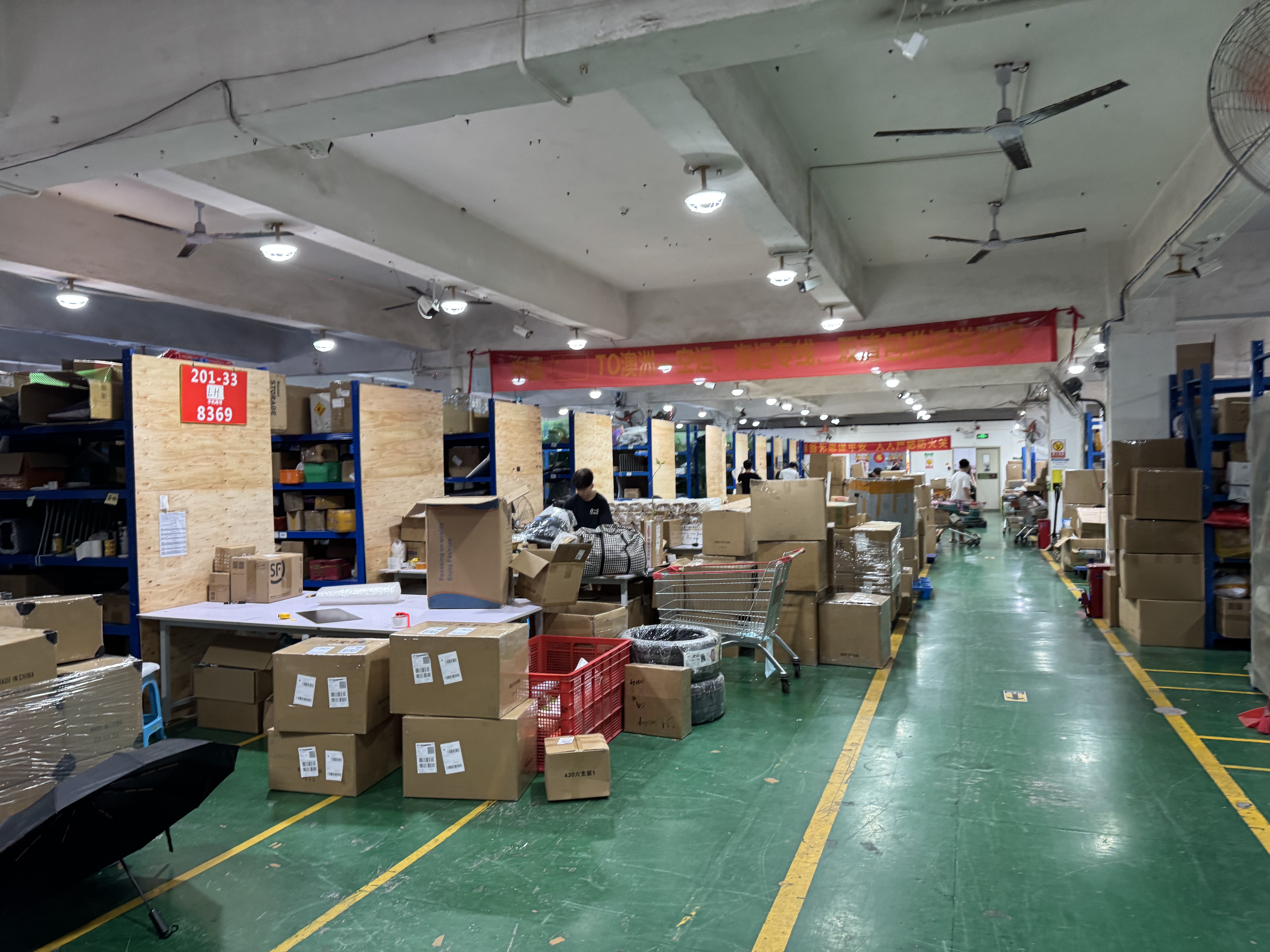
Limitations: High cost. It can be 3 - 5 times more expensive than sea freight.
Limited in terms of the size and weight of the furniture that can be transported.
III. Cost Breakdown
| The cost of relocating furniture from China to Australia involves multiple aspects: | Cost Component | Details |
|---|---|---|
| Freight Cost | As mentioned above, sea freight is cheaper but slower, while air freight is fast but costly. | |
| Customs Duties and Taxes | Calculated based on the value of the furniture and the HS codes. For example, some types of wooden furniture may have a duty rate of around 5 - 10%. | |
| Packaging and Crating | Necessary to protect the furniture. Using high - quality packing materials can add approximately 3 - 5% to the total cost. | |
| Inspection and Quarantine Fees | If the furniture requires additional inspections by DAFF, such as fumigation for wooden items, there will be extra fees. | |
| Terminal Handling Charges | These are fees charged at the ports in both China and Australia for loading and unloading the cargo. |
IV. Case Study: A Furniture Seller in Sydney
A home goods seller in Sydney planned to import a large batch of Chinese - made furniture in 2026. They initially chose sea freight due to cost considerations. However, they didn't pay enough attention to the new biosecurity policies. The wooden furniture they imported had some untreated parts, which led to a hold - up at the port. The customs inspection took about 15 days, and they had to pay for additional fumigation services.
The final outcome was that their new furniture line launch was delayed, and they lost some potential early - bird customers. If they had been more aware of the 2026 policies and prepared better, they could have avoided these problems.
V. Tips for a Smooth Furniture Relocation in 2026
Understand the Policies: Thoroughly research the 2026 ABF and DAFF regulations. You can visit the official websites of these agencies or consult with a professional logistics provider.Choose the Right Logistics Partner: A reliable logistics company like Shengda International Logistics has in - depth knowledge of the Sino - Australian cross - border logistics market. They can handle all the paperwork, customs clearance, and transportation arrangements for you.
Proper Packaging: Use high - quality packing materials and proper crating methods to protect the furniture during transit.
Plan Ahead: Given the potential delays due to new policies and inspections, plan your import schedule well in advance.
VI. FAQ
Q: I'm worried about the customs inspection. How can I ensure my furniture passes smoothly? A: First, make sure your furniture meets all the Australian biosecurity and customs requirements. Provide accurate documentation about the origin of the materials, especially for wooden parts. You can also work with a professional logistics provider like Shengda International Logistics. They have a team of experts who are familiar with the inspection procedures and can help you prepare all the necessary documents and arrange pre - inspections if needed.
Q: Is it possible to reduce the freight cost? A: Yes, if you choose sea freight and ship in larger quantities, you can get better volume - based discounts. Also, consolidating your shipments with other importers' goods can help share the freight cost. And working with a logistics company can sometimes get you better deals as they have long - term partnerships with shipping lines.
Q: What should I do if my furniture is damaged during transit? A: First, document the damage as soon as you receive the furniture. Take photos and record all the details. Then, contact your logistics provider immediately. If you're working with a reliable company like Shengda International Logistics, they have a claims process in place. They'll help you file a claim and work with the shipping company to get compensation.
Q: How long does the customs clearance process usually take in 2026? A: It varies depending on many factors. If your documentation is complete and your goods meet all the requirements, it can take around 3 - 5 working days. But if there are issues like incomplete paperwork or potential biosecurity risks, it could take much longer, even weeks.
Q: Can I track my furniture shipment? A: Most modern logistics providers, including Shengda International Logistics, offer shipment tracking services. You can use the tracking number they provide to check the status of your shipment at any time, from departure in China to arrival in Australia. This gives you real - time information about the location and estimated arrival time of your furniture.
In conclusion, 2026 can be a good time for furniture relocation from China to Australia if you're well - prepared. By understanding the policies, choosing the right logistics channels, and following the tips above, you can make the process smoother and more cost - effective.
