

一、Introduction
It's a common scenario for small business owners, importers, and e-commerce sellers in Australia to ship home goods from China. But the shipping process is fraught with potential pitfalls. I've been in the cross - border logistics industry for years, dealing with countless shipments between China and Australia. In 2026, there are new regulations and trends in the industry. Let me share some of my experiences and tips to help you avoid common mistakes.
二、New Policies in 2026
The Australian Border Force (ABF) and the Department of Agriculture, Fisheries and Forestry (DAFF) have introduced stricter regulations in 2026. For instance, the inspection of wooden products has become more detailed. Now, all wooden items must have a clear熏蒸certificate if they are from certain regions. This is to prevent the entry of pests and diseases into Australia. Also, the valuation for customs purposes has been refined. It's crucial to provide accurate invoices. Any discrepancies could lead to delays or additional fees. I once had a client back in 2024 who underestimated the value of their shipment. The ABF caught the difference during inspection, and the client had to pay a hefty fine and wait an extra two weeks for clearance.
三、Common Pitfalls and How to Avoid Them
1. Incorrect Documentation
Problem: One of the most common issues is incorrect or incomplete documentation. For example, not providing the correct HS codes for your goods can cause major problems. HS codes determine the tariff rate and the level of inspection your shipment will undergo.Solution: Take the time to research and classify your goods accurately. You can consult a customs broker or use online resources to find the right HS codes. Also, ensure that all the information on your documents, such as the invoice, packing list, and bill of lading, is consistent.
2. Improper Packaging
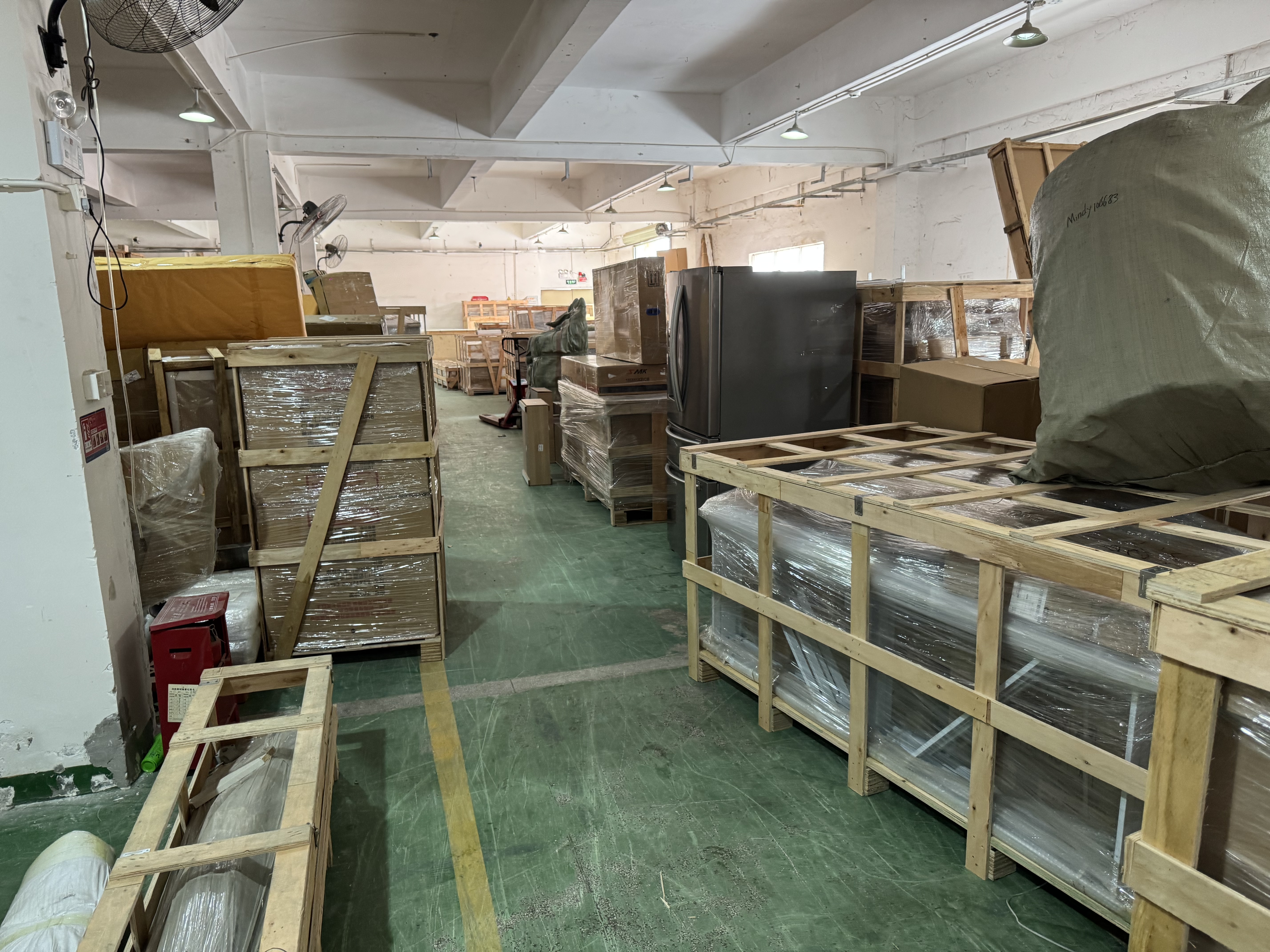
Solution: Use high - quality packaging materials. For fragile items, use plenty of bubble wrap, foam inserts, or packing peanuts. If you're shipping large furniture, consider using wooden crates for additional protection. Companies like Shengda International Logistics offer professional packing services, ensuring your goods are well - protected.
3. Ignoring Biosecurity Regulations
Problem: Australia has some of the strictest biosecurity regulations in the world. Items such as food, plants, and animal products need to be declared and may require special permits. Failure to comply can result in the seizure and destruction of your goods.
Solution: Familiarize yourself with the DAFF's biosecurity guidelines. Declare all relevant items on your documentation. If you're unsure, consult with a logistics provider. Shengda International Logistics has experience in handling biosecure goods, helping you navigate the complex regulations.
四、Case Studies (Deep - Dive Section - 40% of the Article)
1. Home Goods Seller in Sydney
Specific Scenario: A home goods seller in Sydney ordered a large shipment of ceramic vases and wooden furniture from China. They planned to display the new items in their store for the upcoming holiday season.Problem Encountered: The seller didn't pay much attention to the packaging. The vases were only lightly wrapped in newspaper, and the wooden furniture lacked proper熏蒸certification. When the shipment arrived at Port Botany, the customs authorities inspected the goods. The vases were found to be at high risk of damage, and the wooden furniture was held due to the lack of a valid certificate. This delay meant the seller missed the peak holiday sales period.
Final Outcome: The seller had to pay additional fees to repackage the vases and obtain the necessary certificate for the wooden furniture. By the time the goods were released, the demand had decreased, and they ended up selling the items at a discounted price. To avoid such situations in the future, they started working with Shengda International Logistics, which provided proper packaging and ensured all documentation was in order.
2. Apparel Importer in Melbourne
Specific Scenario: An apparel importer in Melbourne sourced a large quantity of clothing from a Chinese factory. They wanted to have the goods in time for a new fashion line launch in their store.
Problem Encountered: The importer misclassified the clothing items on the invoice, using the wrong HS codes. This led to a customs hold at the Port of Melbourne. The ABF suspected that the importer was trying to evade taxes.
Final Outcome: The importer had to hire a customs broker to correct the documentation. The delay cost them time and money. They also lost the opportunity to be the first in the market with their new fashion line. After this experience, they switched to Shengda International Logistics, which has a team of experts to handle accurate documentation.
五、Choosing the Right Logistics Provider
When shipping home contents to Australia, choosing the right logistics provider can make a huge difference. Shengda International Logistics is a great option. They focus on China - Australia cross - border logistics, which means they have in - depth knowledge of the local regulations and shipping processes. They offer a range of services, including air freight for urgent shipments, sea freight for large volumes, and special handling for sensitive items. Their pricing is transparent, and they have a good track record of on - time delivery.
六、FAQ
Q: How long does it usually take to ship home contents from China to Australia? A: It depends on the shipping method. Air freight can take around 7 - 12 days, while sea freight can take roughly 25 - 35 days. However, these are estimates and can be affected by factors like customs clearance and port congestion.Q: What if my goods are damaged during transit? A: A reliable logistics provider like Shengda International Logistics has a claims process for damaged goods. They will assess the situation and provide compensation according to their policies. It's important to have proper insurance and document the condition of the goods before shipping.
Q: Do I need to pay customs duties and taxes? A: Yes, in most cases, you will need to pay customs duties and taxes. The amount depends on the nature and value of your goods. You can calculate the estimated amount using the Australian Border Force's online tools.
Q: Can I ship food items to Australia? A: You can, but food items are subject to strict biosecurity regulations. You need to declare them on your documentation and may need special permits. Shengda International Logistics can help you navigate the process to ensure compliance.
Q: How can I track my shipment? A: Most logistics providers offer tracking services. Shengda International Logistics has a自研智能集运系统 that allows you to track your shipment in real - time, from the warehouse in China to the delivery in Australia.
In conclusion, shipping home contents to Australia in 2026 requires careful planning and attention to detail. By avoiding the common pitfalls and choosing the right logistics partner, you can ensure a smooth and successful shipping experience.
