

I. Introduction
Hey there, Australian small business owners, importers, and e - commerce sellers! As you're probably aware, cross - border parcel forwarding to Canada has its own set of challenges. In 2026, new policies and trends are emerging that can trip you up if you're not careful. I've been in the cross - border logistics field for years, and I've seen firsthand how easily things can go wrong. Let's dive into the key points you need to know to steer clear of common pitfalls.
II. New Customs Policies and Their Implications
In 2026, the Canadian Border Services Agency (CBSA) has implemented new customs policies that significantly impact cross - border parcel forwarding. One of the major changes is in the area of eManifest requirements. Every shipment now needs to have a detailed eManifest submitted in advance. I had a client back in 2024 who didn't know about eManifest when shipping goods to Vancouver. The shipment got held up at the port, and it took him about 14 days to sort things out, costing him a fortune in storage fees and lost business opportunities.
Another aspect is the updated valuation methods for customs duties. CBSA has become stricter in verifying the declared value of goods. Undervaluing goods to avoid duties is a big no - no. It can lead to hefty fines and even a ban on future shipments. For example, 3C electronics sellers might be accustomed to shipping their products at a certain declared value, but in 2026, they need to ensure that the value accurately reflects the market price. Otherwise, they risk facing serious consequences.
III. Selection of Cross - border Logistics Service Providers
Avoiding Unscrupulous Forwarders There are many logistics service providers out there, but not all of them are trustworthy. Some may have hidden fees. I once worked with a home goods seller who used a cheap but unknown forwarder. The initial quote seemed great, but when the goods arrived in Montreal, there were unexpected charges for handling, storage, and customs brokerage that were not mentioned upfront. The final cost was almost double the initial estimate.To avoid this, look for forwarders with a good reputation. Check online reviews and ask for references from other businesses in the industry. Also, make sure the quote is all - inclusive, with no hidden fees.
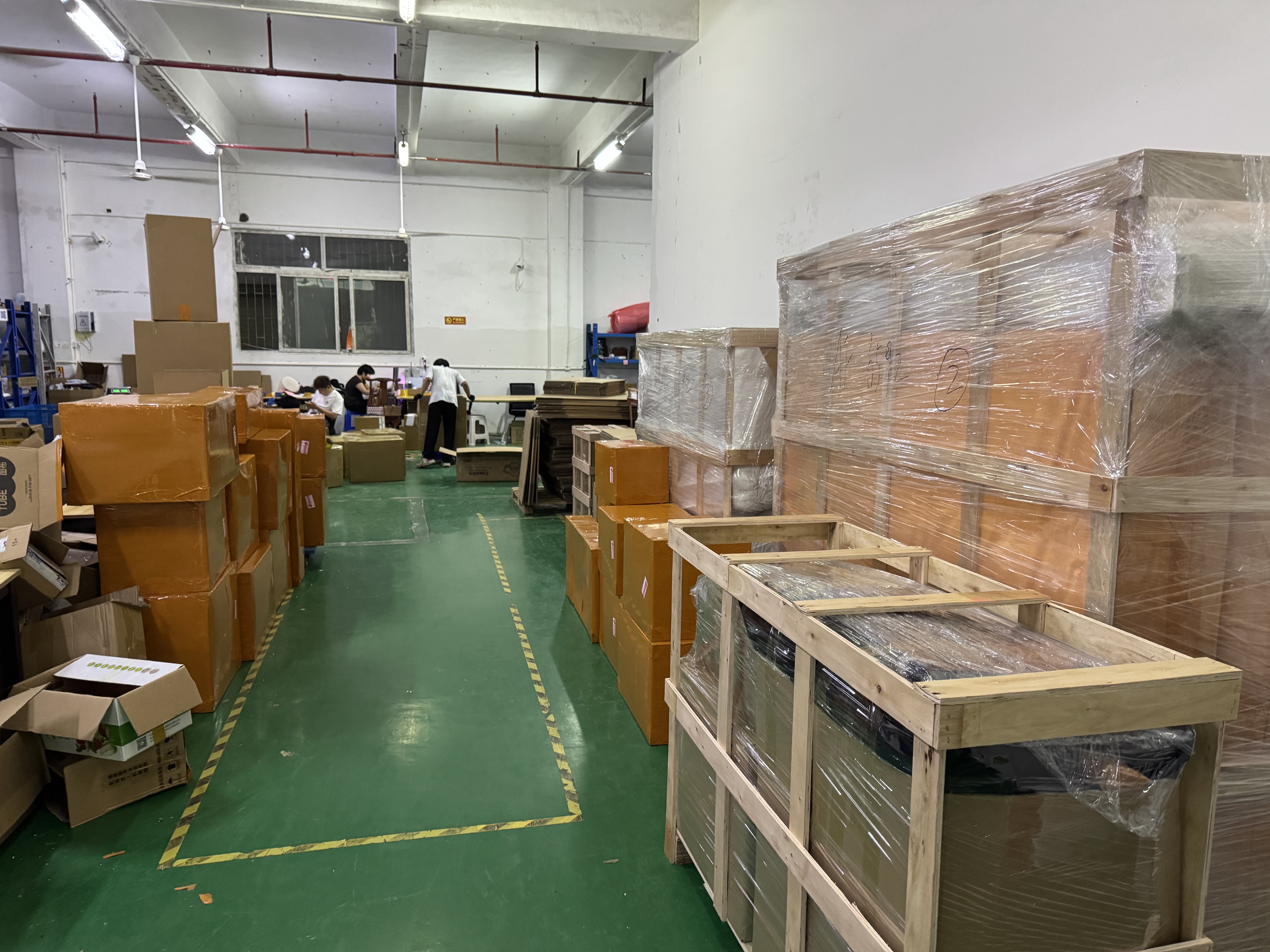
Capability of Handling Different Goods Different service providers have different capabilities when it comes to handling various types of goods. If you're an apparel importer, you need a forwarder who can handle textiles properly, ensuring they're not damaged during transit. Some forwarders may have limited experience in handling sensitive goods like food or cosmetics. For instance, a food importer might face issues if the forwarder doesn't have the proper procedures in place to deal with the Canadian Food Inspection Agency (CFIA) requirements.
When choosing a service provider, clearly communicate the type of goods you're shipping and ask about their experience in handling similar products.
IV. Packaging and Labeling Requirements
Package Durability The packaging needs to be sturdy enough to withstand the long - distance journey to Canada. I've seen cases where packages arrived in Calgary in a complete mess because the packaging was flimsy. For example, a trade factory shipping heavy machinery parts using only thin cardboard boxes. The boxes got crushed during transit, and the parts were damaged. It's essential to use appropriate packaging materials such as reinforced cardboard, wooden crates for large items, and plenty of cushioning materials like bubble wrap.Accurate Labeling Labels should be clear and accurate. Include the correct address, contact information, and a detailed description of the goods. In 2026, CBSA has been cracking down on mislabeled packages. A minor error, like misspelling the recipient's address or providing an incorrect HS code for the goods, can cause significant delays. For example, if you're shipping a product with multiple components and you don't list all of them accurately on the label, it might be flagged for further inspection.
V. Shipping Time and Delivery Expectations
Peak Season Delays Peak seasons, such as the holiday season, can cause significant delays in shipping. Shipping companies are often overwhelmed with orders, and this can lead to longer transit times. For example, during the Christmas season, a shipment from Shanghai to Toronto that usually takes around 20 days might take up to 30 days or more. You should plan your shipments well in advance during peak seasons and communicate the potential delays to your customers.Carrier Reliability Some carriers may have a better track record of on - time delivery than others. Do some research on the carriers used by your logistics service provider. For example, if a certain carrier has a reputation for frequent delays in delivering to the Port of Vancouver, it might be worth considering an alternative carrier or asking your forwarder to use a different one.
VI. FAQ
Q: How can I ensure my goods pass the CFIA inspection? A: First, make sure you're aware of the latest food safety regulations in Canada. Provide accurate information about the food products, including ingredients, expiration dates, and country of origin. Use a forwarder with experience in handling food shipments. They can guide you through the proper documentation and preparation for inspection.Q: What if my shipment is held up at customs? A: If your shipment is held up at customs, stay in close contact with your logistics service provider. They should be able to find out the reason for the hold - up. It could be due to incomplete paperwork or a random inspection. Follow their advice on how to resolve the issue, which may involve providing additional information or paying any outstanding duties.
Q: Can I use the same packaging for all types of goods? A: No, you can't. Different goods have different packaging requirements. Fragile items need extra cushioning, while heavy or large items need more robust packaging. For example, glassware should be wrapped in multiple layers of bubble wrap and placed in a box with plenty of packing peanuts, while a wooden table might need to be crated.
Q: How do I choose the rightincoterms for my shipments? A: Consider your risk tolerance and the nature of your business. If you want more control over the shipping process and don't mind taking on more risk, terms like FCA (Free Carrier) might be suitable. If you prefer the logistics service provider to handle more of the details, DDP (Delivered Duty Paid) could be a better option. Discuss your options with your forwarder and consider the specific circumstances of each shipment.
Q: Is it necessary to have insurance for my cross - border shipments? A: It's highly recommended. Even with the best - laid plans, things can go wrong during transit. Insurance can protect you from financial losses in case of damaged, lost, or stolen goods. Make sure you understand the terms and coverage limits of the insurance policy before purchasing it.
By being aware of these issues and taking the necessary precautions, you can avoid many of the pitfalls in cross - border parcel forwarding to Canada in 2026. Stay informed, choose your partners wisely, and follow the regulations, and you'll be on your way to a successful cross - border shipping experience.
