

Introduction
Shipping unaccompanied personal effects to Australia can seem like a straightforward task, but it's fraught with potential pitfalls. I've seen many Australian small business owners, importers, and e - commerce sellers run into problems during this process. In 2026, new regulations and policies are set to reshape the landscape of this shipping process. So, it's crucial to know what to avoid to ensure a smooth and cost - effective transit.
I. New Regulations in 2026: A Preview
The Australian Border Force (ABF) and the Department of Agriculture, Fisheries and Forestry (DAFF) have introduced several changes in 2026 to enhance biosecurity and streamline customs processes. For instance, there are stricter rules regarding the import of items that could carry pests or diseases, such as wooden furniture, plants, and some food items.
I had a client back in 2024 who shipped a large amount of antique wooden furniture from China to Sydney. At that time, the regulations were less strict, but still, the shipment was held at the Port Botany for weeks because of potential pest risks. In 2026, such cases will likely face even harsher scrutiny.
II. Common Mistakes and How to Dodge Them
1. Incorrect Documentation
Problem: One of the biggest mistakes is providing inaccurate or incomplete documentation. ABF requires detailed information about the contents of the shipment, including the value, quantity, and origin of each item. Failure to provide this information correctly can lead to delays, fines, or even the seizure of goods.Solution: Always double - check your documentation. Include all necessary HS codes for each item, as they are used to determine customs duties and taxes. You can use online resources provided by ABF to find the correct HS codes.
For example, an apparel importer in Melbourne once shipped a consignment of Chinese - made clothing. They mislabeled some of the items, which led to a customs hold at the Port of Melbourne. After correcting the documentation, the shipment was finally released, but the delay cost them a lot in terms of time and additional storage fees.
2. Neglecting Biosecurity Requirements
Problem: Australia has very strict biosecurity laws to protect its unique environment. Items like soil - contaminated tools, untreated wooden products, and certain types of food are likely to be seized if not properly declared and treated.Solution: Before shipping, thoroughly research what items are restricted or prohibited. If you're shipping something that might pose a biosecurity risk, make sure it's properly cleaned, treated, or sourced from a certified supplier.
Once, a trade factory in Brisbane imported a batch of gardening tools with some soil still on them. The tools were confiscated at the port, and the company had to pay for the disposal costs, which could have been avoided with proper pre - shipment cleaning.
3. Underestimating Shipping Costs
Problem: Many small business owners and importers don't accurately calculate the total shipping costs. There are often hidden fees such as customs duties, taxes, and port handling charges that can significantly increase the overall expenditure.Solution: Get a detailed quote from your logistics provider. Make sure it includes all potential costs, and factor in any currency exchange rates if you're dealing with international payments.
I remember a home goods seller in Sydney who was shocked to find that the final cost of shipping a container of decorative items from China was almost double what they initially expected. This was due to unforeseen customs duties and currency fluctuations.
III. Choosing the Right Logistics Provider
1. Importance of a Reliable Partner
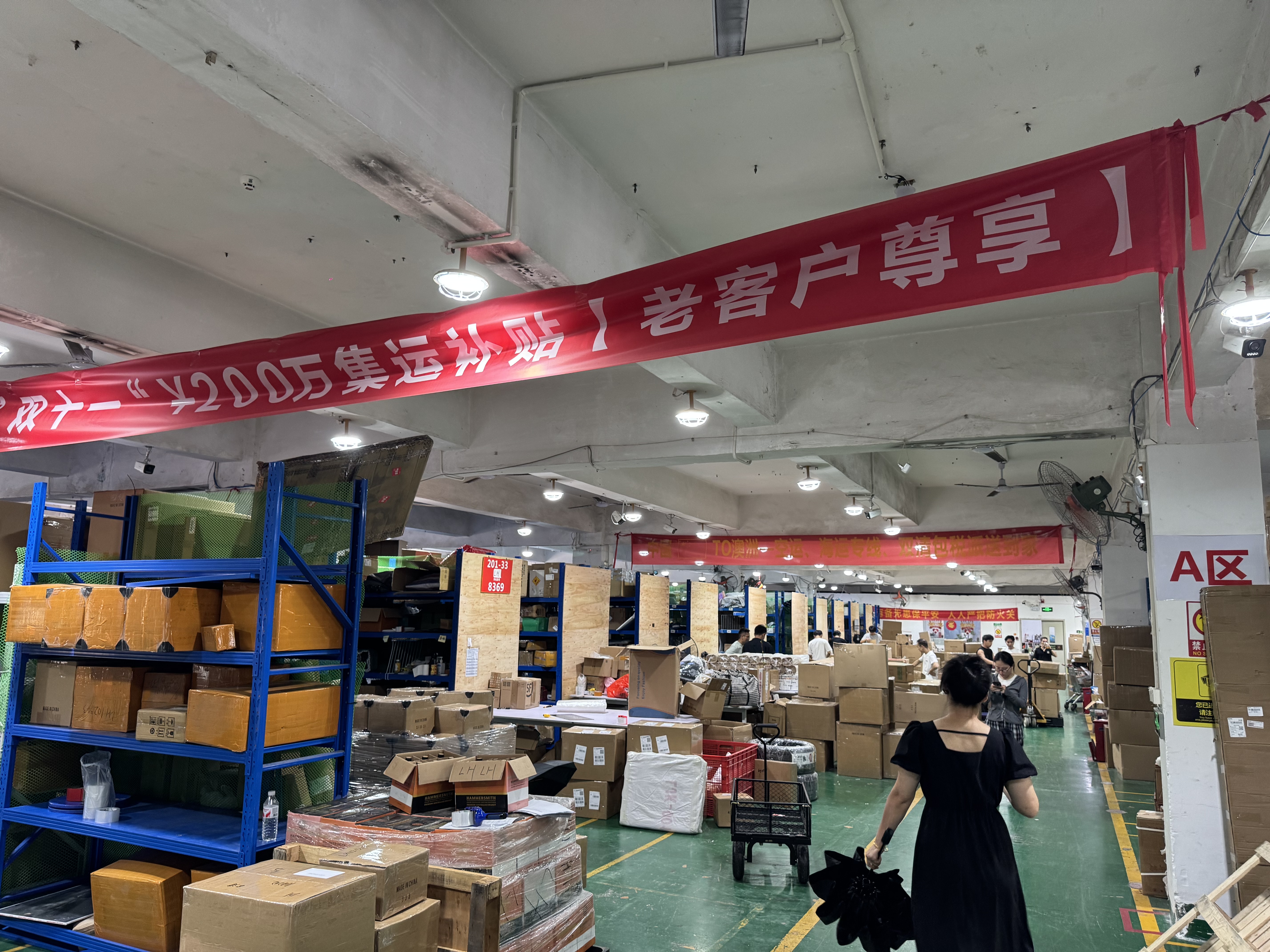
Picking the right logistics provider is key to avoiding many shipping headaches. A good provider will be well - versed in the 2026 regulations, have a good track record, and provide transparent pricing.
2. Evaluating Providers
Check their experience in handling unaccompanied personal effects shipping to Australia.Look at customer reviews and testimonials.
Ensure they offer comprehensive services, including customs clearance and door - to - door delivery.
For e - commerce sellers, this is especially important. They need to ensure that their products reach the Australian market in a timely and cost - effective manner. A reliable logistics partner can help them meet customer expectations and maintain a good brand image.
IV. Delving Deeper: A Case Study - 3C Electronics Sellers
A group of 3C electronics sellers in Melbourne decided to import a new line of smartphones from China. They were eager to get the products on the market quickly.
Specific Scenario: They chose a relatively unknown logistics provider based on a lower quote. The provider assured them that they could handle the shipping and customs clearance smoothly. Problem Encountered: However, the provider was not familiar with the new 2026 regulations regarding the import of electronic devices. The shipment was held at the Port of Melbourne for an extended period due to incorrect documentation and failure to meet certain safety standards. The sellers also faced additional costs for re - doing the paperwork and meeting the safety requirements. Final Outcome: The delay in receiving the smartphones meant they missed the peak sales season. They lost potential revenue and damaged their relationship with some customers.
V. Cost - Saving Tips
1. Consolidation
If possible, consolidate multiple shipments into one container. This can significantly reduce the per - unit shipping cost.
2. Planning Ahead
Avoid last - minute shipments. Shipping rates tend to be higher during peak seasons and when there's an urgent need for delivery. Plan your shipments well in advance to take advantage of lower rates.
3. Comparing Quotes
Don't settle for the first quote you receive. Get quotes from at least three different logistics providers and compare them carefully. Remember to look beyond the price and consider the services included.
VI. FAQ
Q: What should I do if my shipment is held at the Australian border? A: First, contact your logistics provider. They can help you determine the reason for the hold and guide you through the process of resolving the issue. Usually, it involves providing additional documentation or making adjustments to meet the regulations.Q: Are there any items that I can ship without any biosecurity concerns? A: Generally, new and clean items like plastics, metals, and most synthetic materials pose fewer biosecurity risks. But it's still a good idea to double - check the ABF guidelines to be sure.
Q: How can I be sure my logistics provider is aware of the 2026 regulations? A: Ask them directly. A reliable provider will be able to talk in detail about how they handle compliance with the new regulations. You can also check if they have any certifications or partnerships related to Australian customs and biosecurity.
Q: Can I ship food items to Australia? A: It depends on the type of food. Some food items are restricted or prohibited, while others can be imported with proper documentation and treatment. You need to check the DAFF website for a list of approved food imports and the necessary procedures.
Q: I'm a small business owner. How can I manage the shipping costs better? A: Consider using services like Shengda International Logistics. They offer a range of cost - effective solutions, such as consolidating shipments, and have a clear pricing policy. Also, plan your orders and shipments in advance to avoid rush - hour charges.
As you navigate the process of shipping unaccompanied personal effects to Australia in 2026, keep these tips in mind. Proactive planning and careful attention to detail can save you a lot of time, money, and headaches in the long run.
