

1. Introduction
In 2026, the landscape of consolidating online orders and shipping to Australia has witnessed some significant changes. As an Australian small business owner, importer, or e - commerce seller, you might have faced various challenges in the past. I'm here to share my firsthand experience and help you steer clear of common pitfalls. I've seen businesses lose money due to avoidable mistakes, and I don't want that to happen to you. For instance, a client back in 2024 had a large shipment of home goods seized because of incorrect documentation.
2. Latest 2026 Policies Impacting Shipping
The Australian government has been actively updating its trade policies, especially regarding biosecurity and customs clearance. The Australian Border Force (ABF) and the Department of Agriculture, Fisheries and Forestry (DAFF) have tightened regulations to protect the country's unique ecosystem.
Biosecurity Regulations: DAFF has increased inspections for items that could pose a risk to Australia's agriculture and environment. For example, wooden products need to be properly treated and certified to prevent the introduction of pests. If you're shipping wooden furniture from China, it must have a phytosanitary certificate. In 2026, the percentage of random checks on wooden goods has increased to about 15%, up from 10% in previous years.Customs Valuation and Tariffs: The ABF has also enhanced its methods for determining the value of imported goods. Incorrect valuation can lead to over - or under - payment of tariffs. It's crucial to use the correct HS codes for your products. For example, if you misclassify a 3C electronics item, you might end up paying a higher tariff than necessary.
3. Common Pitfalls and How to Avoid Them
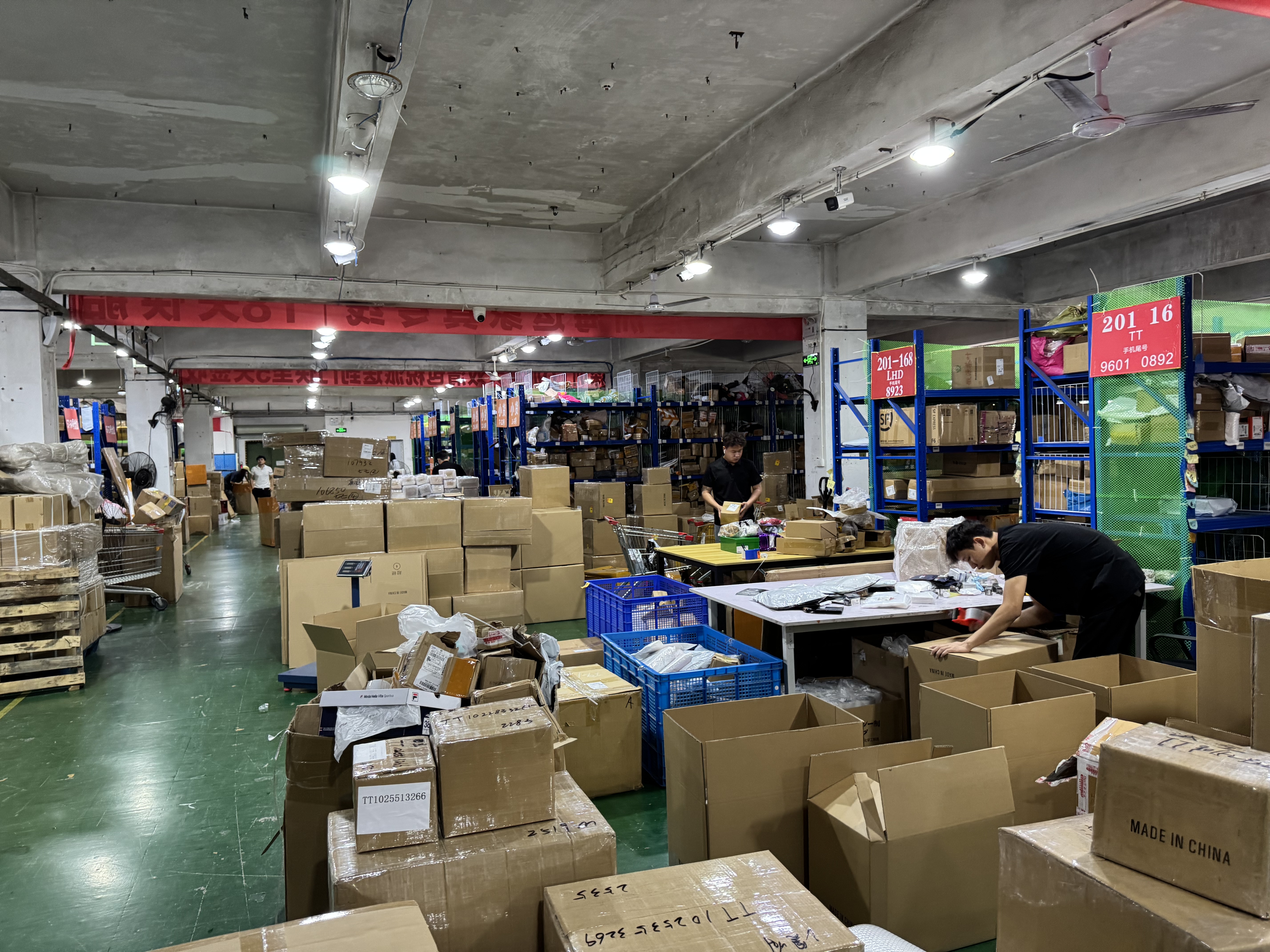
3.1 Incorrect Documentation
One of the most common mistakes is submitting incorrect or incomplete documentation. This can cause significant delays at the port of entry. For example, a 3C electronics seller in Sydney once shipped a large order without including a detailed bill of materials. The shipment was held up at Port Botany for roughly 14 days, resulting in lost sales and additional storage costs.
To avoid this:
Double - check all documents before submission. Make sure the commercial invoice, packing list, and bill of lading are accurate and consistent.Use a professional freight forwarder who can assist with documentation. At [盛达国际物流], we have a team of experts who can ensure all your paperwork is in order.
3.2 Biosecurity Risks
As mentioned earlier, biosecurity regulations are strict. If you ignore these rules, your shipment could be destroyed or returned. I've seen instances where apparel importers shipped clothes with seeds attached to the fabric. The entire shipment was quarantined and treated, which incurred extra costs and time.
To avoid biosecurity issues:
Thoroughly clean and inspect your goods before shipping.Provide accurate information about the materials used in your products. If there are any natural materials, such as wood chips in a home - decor item, declare them clearly.
3.3 Shipping Cost Mismanagement
Many small business owners underestimate shipping costs. They might focus only on the base shipping rate and forget about additional fees like customs duties, handling fees, and storage costs. For example, a home goods seller in Melbourne wanted to save money by choosing the cheapest shipping option. However, they didn't realize that the slow - moving ship would result in a long transit time and high storage fees at the destination port.
To manage shipping costs effectively:
Get a detailed quote from your freight forwarder. Make sure it includes all possible fees.Consider the trade - off between cost and transit time. Sometimes, paying a bit more for a faster shipping method can save you money in the long run.
4. Shipping Channels and Their Suitability
There are mainly two types of shipping channels for consolidating online orders to Australia: air freight and sea freight.
| Shipping Channel | Advantages | Limitations | Suitable for |
|---|---|---|---|
| Air Freight | Fast transit time (usually 7 - 12 days), less risk of damage, and easy to track | Higher cost, limited cargo volume | Small, high - value items like 3C electronics, and urgent orders |
| Sea Freight | Lower cost, suitable for large volumes of goods | Long transit time (usually 20 - 40 days), more complex customs procedures | Bulk goods, such as home goods and apparel |
At [盛达国际物流], we offer both air and sea freight options. Our air freight service, the "small - piece express channel," is ideal for light and small items, with a fast and reliable transit time. Our sea freight service includes both LCL (Less than Container Load) and FCL (Full Container Load) options, providing cost - effective solutions for different business needs.
5. FAQ
Q1: How can I ensure my goods pass customs smoothly? A: First, make sure all your documentation is accurate and complete. Use the correct HS codes and provide a detailed description of your products. Second, comply with biosecurity regulations. At [盛达国际物流], our team can help you with customs clearance and ensure that your goods meet all the requirements.
Q2: What if my shipment is delayed? A: Delays can happen due to various reasons, such as bad weather, port congestion, or customs inspections. If it's a significant delay, you should contact your freight forwarder immediately. At [盛达国际物流], we'll keep you informed of any potential delays and try our best to minimize the impact on your business.
Q3: Can I ship sensitive goods to Australia? A: Yes, but it's more complicated. Sensitive goods include items like food, cosmetics, and带电产品. You need to use a dedicated compliant shipping channel. At [盛达国际物流], we have a sensitive - goods compliant shipping service that can handle these types of products while ensuring compliance with Australian regulations.
Q4: How do I choose between air and sea freight? A: Consider the urgency of your order, the value of your goods, and the volume of the shipment. If you need the goods quickly or they are high - value and small in size, air freight might be a better option. If you have a large volume of goods and time is not a critical factor, sea freight is more cost - effective.
Q5: What are the additional costs I should be aware of when shipping to Australia? A: Apart from the base shipping cost, you may need to pay customs duties, handling fees, storage fees at the port, and biosecurity inspection fees if applicable. Make sure to get a detailed quote from your freight forwarder to understand all the potential costs.
In the dynamic world of 2026's cross - border shipping to Australia, staying informed and making the right choices can save you a lot of time and money. Always keep an eye on the latest policies and choose a reliable freight forwarder to help you navigate the process.
