

I. Introduction
In 2026, the e-commerce market between China and Australia is booming. However, e-commerce sellers often face various challenges in parcel delivery, such as high costs, long delivery times, and complex customs procedures. I've been in the cross - border logistics business for years, and I've seen many sellers struggle with these issues. For example, a 3C electronics seller in Shenzhen once lost a big order because the parcels were delayed in customs and arrived at the Sydney customers much later than expected. So, finding the best strategy for e - commerce parcel delivery to Australia is crucial for sellers.
II. The Current Situation of E - commerce Parcel Delivery to Australia
Market Growth The e - commerce trade volume between China and Australia has been increasing steadily. According to industry data, the annual growth rate of cross - border e - commerce parcels from China to Australia has reached around 18% in the past few years. This growth is mainly driven by the popularity of Chinese products in the Australian market, especially in categories like home goods and 3C electronics.Challenges Customs Regulations: The Australian Border Force (ABF) and the Department of Agriculture, Fisheries and Forestry (DAFF) have strict regulations on imported parcels. For example, certain food items, wood products, and electronics need special permits or inspections. In 2026, there have been some updates in the biosecurity regulations, which require more detailed declarations for products containing natural materials.
Delivery Time: Long - distance transportation and complex logistics processes often lead to long delivery times. On average, it takes about 14 - 21 days for a standard e - commerce parcel to reach Australian customers from China.
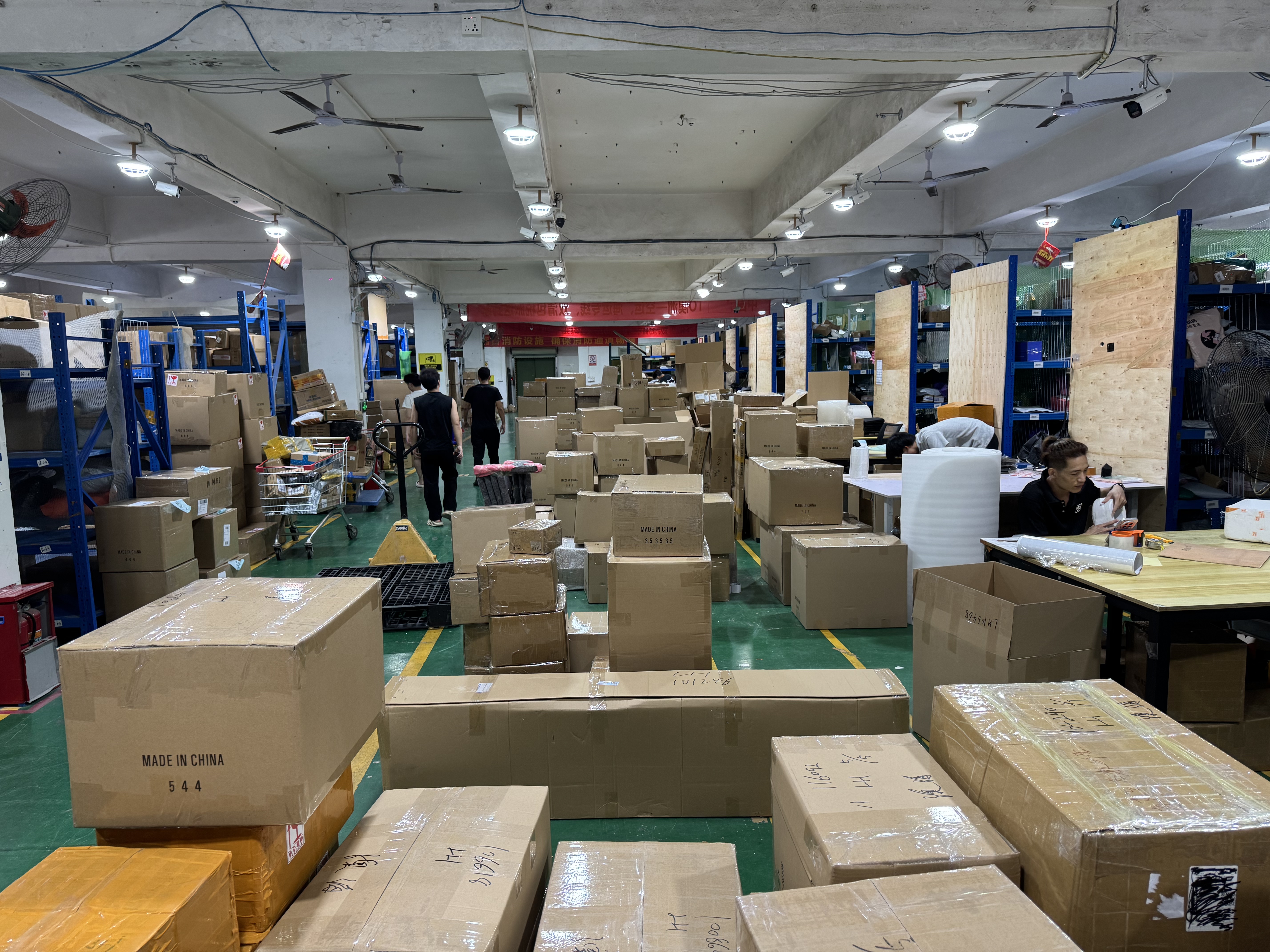
III. Strategies for E - commerce Parcel Delivery to Australia (In - Depth Analysis - 40% of the Text)
Choosing the Right Logistics Provider Specialized Cross - border Logistics Companies: A company like Shengda International Logistics is a great choice. It specializes in cross - border logistics from China to Australia. They have in - depth knowledge of Australian customs policies and can handle various types of parcels, including sensitive goods. For example, they once helped a home goods seller in Guangzhou shipping ceramic products to Melbourne. These products are fragile and subject to strict customs inspections. Shengda International Logistics provided custom - made packaging and a detailed customs declaration, ensuring the parcels arrived safely and on time.Local Australian Logistics Partners: Partnering with local logistics companies in Australia can also improve the delivery efficiency. They are more familiar with the local delivery network and can handle last - mile delivery better.
Optimizing Shipping Methods Air Freight: It is suitable for small and light parcels, especially those with urgent delivery needs. Air freight usually has a shorter delivery time, around 7 - 12 days. However, the cost is relatively high. For instance, a 3C electronics seller may choose air freight for high - value and time - sensitive products.
Sea Freight: Sea freight is more cost - effective for large - volume and heavy parcels. Although it takes longer, about 20 - 35 days, it can significantly reduce the shipping cost. A home goods seller who ships large furniture items to Sydney may find sea freight a better option.
Combined Shipping: Combining air and sea freight can also be a good strategy. For example, shipping the main bulk of the goods by sea and using air freight for some small - quantity urgent items.
Customs Clearance Optimization Accurate Product Classification: Sellers need to accurately classify their products according to the Harmonized System (HS) codes. Incorrect classification can lead to customs delays or additional fees. For example, misclassifying a power bank (which is a sensitive item due to its battery) as a simple electronic accessory may cause customs issues.
Complete Documentation: Prepare all necessary documents, such as commercial invoices, packing lists, and certificates of origin. In 2026, the ABF has increased the scrutiny of documentation, so it's essential to ensure all documents are complete and accurate.
IV. Other Considerations
Warehousing in Australia Setting up a warehouse in Australia can help reduce delivery times and improve customer satisfaction. Sellers can store popular products in the local warehouse and quickly dispatch them to customers when an order is placed. However, this requires a certain investment in terms of rent, inventory management, and staffing.Insurance Parcel insurance is important to protect against potential losses during transportation. When a parcel is damaged, lost, or stolen, insurance can help the seller recover the cost. The insurance cost usually depends on the value of the goods being shipped.
V. FAQ
Q: How can I ensure my parcels pass Australian customs smoothly? A: You need to choose a reliable logistics provider that knows the customs regulations well. Make sure to classify your products accurately according to the HS codes and prepare all complete and accurate documentation. For example, when I helped a client ship some herbal products last year, we worked closely with the customs experts at Shengda International Logistics to ensure all the necessary permits were obtained, and the parcels cleared customs without any issues.Q: Which shipping method is the most cost - effective for e - commerce parcels to Australia? A: It depends on the size, weight, and urgency of your parcels. For large - volume and heavy parcels, sea freight is generally more cost - effective. However, if you need to deliver the parcels quickly, especially for small and light items, air freight may be a better choice. Sometimes, using a combined shipping method can also balance cost and delivery time.
Q: Do I need to worry about the new biosecurity regulations in 2026? A: Yes, you do. The ABF and DAFF have updated the biosecurity regulations this year, especially for products containing natural materials. You need to provide more detailed information about the origin, composition, and treatment of these products. A good logistics provider can help you comply with these regulations.
Q: Is it necessary to set up a warehouse in Australia? A: It depends on your business scale and customer demand. If you have a large number of regular orders and want to improve the delivery speed, setting up a local warehouse can be a great option. But it also means additional costs and management efforts.
In the future, as the e - commerce market between China and Australia continues to grow, e - commerce sellers should keep an eye on the latest policies and market trends, and continuously optimize their parcel delivery strategies to stay competitive in the market.
