

I. Introduction
Hey there, Australian small business owners, importers, and e - commerce sellers! In 2026, the landscape of cross - border logistics between China and Canada is both full of opportunities and challenges. I've been in the cross - border logistics field for quite some time, dealing with the ins and outs of shipping goods between these two countries. I've seen firsthand how the wrong freight service can cause headaches, from delayed deliveries to unexpected costs. So, let's dive into the best freight service options available this year.
II. Common Pain Points in China - Canada Cross - border Logistics
I remember back in 2024, I had a client who was an apparel importer based in Vancouver. They chose a seemingly cheap freight service without doing much research. The service had a reputation for being unreliable, but the client was attracted by the low price. The goods were supposed to arrive in 20 days, but they ended up being delayed for over a month. This delay caused the client to miss the peak sales season, resulting in significant financial losses.
Another common issue is hidden fees. Many freight services may offer a low initial quote but then add on extra charges for things like customs clearance, handling fees, or storage fees. This lack of transparency can really hurt your bottom line.
III. In - Depth Look at Freight Service Options (40% of the Article)
1. Air Freight
Air freight is known for its speed. It's a great option if you're dealing with high - value, low - volume goods like electronics or high - end fashion items. For example, a 3C electronics seller in Toronto might choose air freight to quickly restock their inventory. The average transit time for air freight from China to Canada is around 7 - 12 days.
Advantages:
Fast Delivery: As mentioned, it can significantly reduce the time from order to delivery, which is crucial for meeting customer demand quickly.High Security: Airlines have strict security measures, which means your goods are less likely to be damaged or lost during transit.
Trackability: You can easily track your shipment in real - time, giving you peace of mind and the ability to plan more effectively.
Limitations:
High Cost: Air freight is generally much more expensive than sea freight. The cost can be prohibitive for large or heavy items.Limited Capacity: There are restrictions on the size and weight of the cargo that can be transported by air.
2. Sea Freight
Sea freight is the go - to option for large - volume shipments. It can handle goods such as furniture, home appliances, and bulk commodities. If you're a home goods seller in Montreal, sea freight might be the best choice for you to transport large quantities of products at a lower cost.
2.1 Full Container Load (FCL)
If you have enough goods to fill an entire container, FCL is a great option. You'll have exclusive use of the container, which reduces the risk of damage due to handling other shippers' goods. Transit times can vary from 25 - 45 days, depending on the specific route and port congestion.
Advantages:
Lower Cost per Unit: For large shipments, the cost per unit of goods is relatively low.Less Handling: With less handling of your goods, there is a lower risk of damage.
Limitations:
Higher Minimum Volume Requirement: You need to have enough goods to fill an entire container, which may not be feasible for small - scale businesses.Longer Transit Time: As mentioned, it takes longer compared to air freight, which can be a problem if you need your goods quickly.
2.2 Less than Container Load (LCL)
If you don't have enough goods to fill a container, LCL allows you to share a container with other shippers. This is a cost - effective option for small businesses.
Advantages:
Cost - Effective for Small Shipments: You only pay for the space your goods occupy in the container.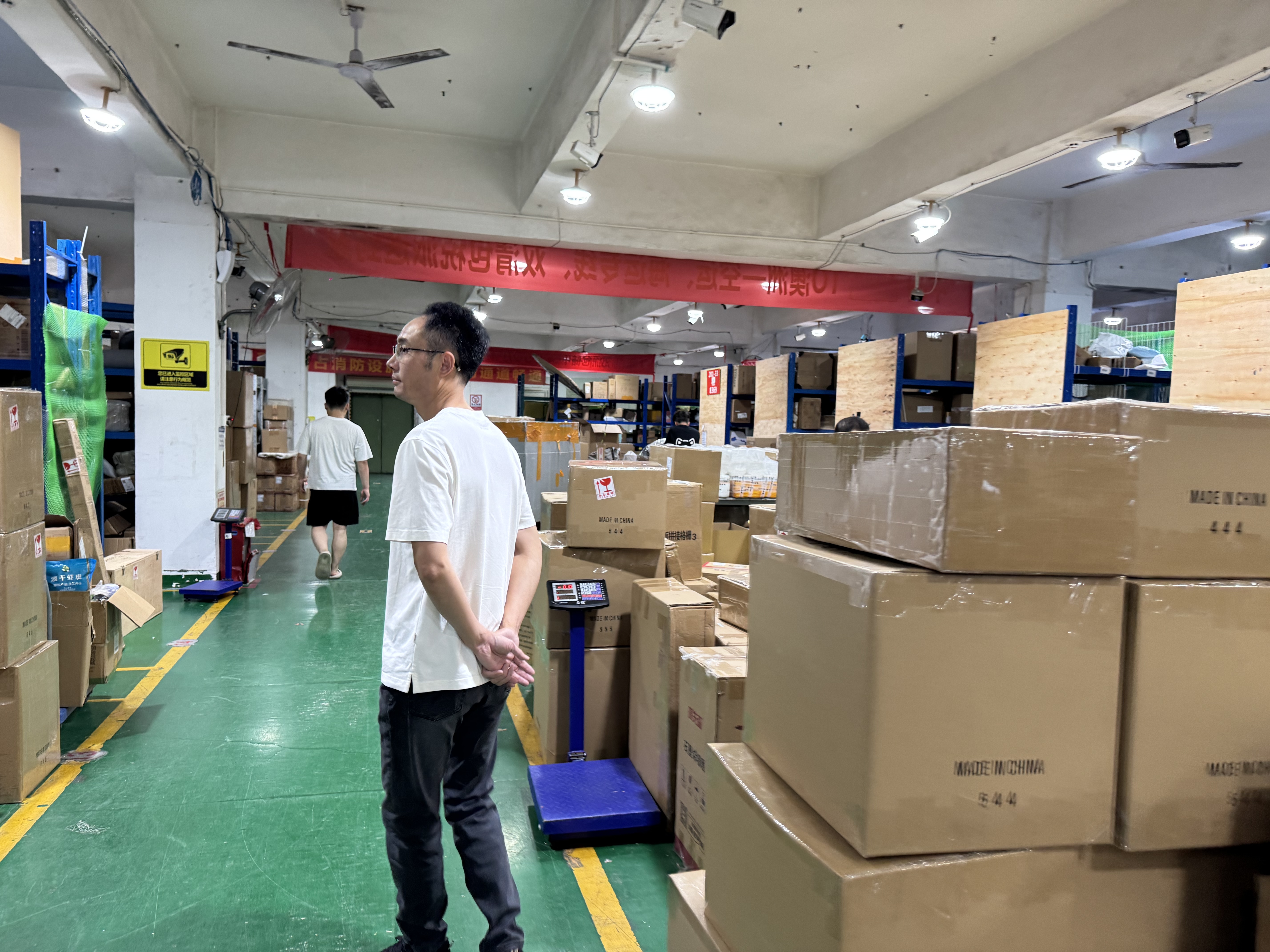
Limitations:
More Handling: With multiple shippers using the same container, there is more handling of your goods, which increases the risk of damage.Possible Delays: Delays can occur if one of the other shippers' goods has issues with customs or loading.
IV. Other Freight Service Options
1. Rail Freight
Rail freight is becoming an increasingly popular option for cross - border logistics between China and Canada. It offers a balance between speed and cost, with transit times usually ranging from 15 - 25 days. It can be a good choice for goods that are not extremely time - sensitive but also can't wait for months like in sea freight.
Advantages:
Cost - Efficiency: It's generally more affordable than air freight and faster than sea freight.Environmental - Friendliness: Rail transportation produces fewer emissions compared to air and road transportation.
Limitations:
Limited Routes: The available rail routes may not cover all areas in Canada.Terminal Constraints: There can be limitations at the rail terminals in terms of loading and unloading capacity.
2. Road Freight
Road freight is mainly used for short - distance and last - mile delivery. In the context of China - Canada cross - border logistics, it's often combined with other modes of transportation, such as sea or rail.
V. Tips for Choosing the Right Freight Service
Understand Your Goods: Consider the nature, size, weight, and value of your goods. For example, fragile or perishable goods may require special handling and a faster mode of transportation.Evaluate Your Timeframe: If you have a tight deadline, air freight or rail freight might be more suitable. If time is not a critical factor, sea freight can save you money.
Research the Freight Service Provider: Look for a provider with a good reputation, experience in China - Canada cross - border logistics, and a transparent pricing policy. Check for reviews and ask for references.
VI. FAQ
What are the main factors affecting the cost of China - Canada cross - border logistics in 2026? Well, several factors come into play. The mode of transportation you choose is a big one. Air freight is generally more expensive than sea freight. The size and weight of your shipment also matter. Larger and heavier goods will cost more to transport. Additionally, customs duties, fuel surcharges, and any special handling requirements can all add to the cost.
How can I ensure my goods clear customs smoothly? It's important to have accurate documentation. Make sure your HS codes are correct, and all the necessary paperwork is filled out properly. Working with an experienced freight forwarder who understands the customs regulations in both China and Canada can also be a huge help. They can guide you through the process and ensure everything is in order.
Is it better to choose a large - scale freight service provider or a smaller, specialized one? It depends on your needs. Large - scale providers often have more resources and a wider network, which can be beneficial if you have complex shipping requirements or need to ship to multiple locations. However, smaller, specialized providers may have more in - depth knowledge of specific routes or types of goods. For example, if you're shipping a lot of sensitive goods, a provider with experience in handling such items might be a better choice.
What are the new policies in 2026 that I need to be aware of for China - Canada cross - border logistics? In 2026, there have been some updates to customs regulations, especially regarding food safety and environmental protection. The Canadian Border Services Agency (CBSA) and the Canadian Food Inspection Agency (CFIA) have tightened their controls on certain types of goods. For example, there are stricter rules for importing food products to ensure they meet Canadian safety standards. It's crucial to stay informed about these changes to avoid any issues with your shipments.
Can I track my shipment throughout the process? Most reputable freight service providers offer tracking services. With the help of modern technology, you can usually track your shipment from the moment it leaves the warehouse in China until it reaches your destination in Canada. You can check the status of your shipment online or through a mobile app, which gives you real - time information about its location and estimated arrival time.
When choosing a freight service for your China - Canada shipments, take the time to weigh your options carefully. Consider your specific needs and do your research. With the right choice, you can ensure a smooth and cost - effective shipping process for your business.
