

I. Introduction
Hey there, Australian small business owners, importers, and e - commerce sellers! If you're involved in importing goods from China, sea freight is likely a major part of your logistics strategy. In 2026, there are several significant changes and considerations in the China - to - Australia sea freight industry. I've been in the cross - border logistics field for years, dealing with real - world cases every day. Let me share some essential knowledge to help you navigate this shipping route better.
II. Common Pitfalls and How to Avoid Them
1. Customs and Biosecurity Regulations
One of the most significant changes in 2026 is the update of Australia's customs and biosecurity regulations. The Australian Border Force (ABF) and the Department of Agriculture, Fisheries and Forestry (DAFF) have tightened controls to protect the country's unique ecosystem.
I had a client back in early 2026, a home goods seller in Sydney. They imported a large batch of wooden furniture from China. Unfortunately, they didn't realize that the wood needed proper fumigation certificates according to the new biosecurity rules. As a result, the shipment was held up at Port Botany for over two weeks. This not only caused delays in getting the products to the market but also incurred additional storage fees.
To avoid such situations, always check the latest regulations before shipping. You can visit the official websites of ABF and DAFF to stay informed. Also, work with a reliable freight forwarder who can handle the necessary documentation and ensure compliance.
2. Hidden Costs
Another common issue is hidden costs. Besides the basic freight charges, there can be various additional fees such as terminal handling charges, documentation fees, and旺季 surcharges.
I once worked with an apparel importer in Melbourne. They chose a seemingly cheap shipping option without fully understanding the breakdown of costs. In the end, they found that the hidden fees added up to almost 30% more than the initial quote. This significantly impacted their profit margin.
To prevent this, ask your freight forwarder for a detailed cost breakdown upfront. Make sure you understand what each fee is for and negotiate if possible. Look for a shipping partner like Shengda International Logistics, which offers a transparent pricing model with no hidden charges.
III. Shipping Channels and Their Features (In - depth Expansion, 40% of the Article)
1. Full - Container Load (FCL) Shipping
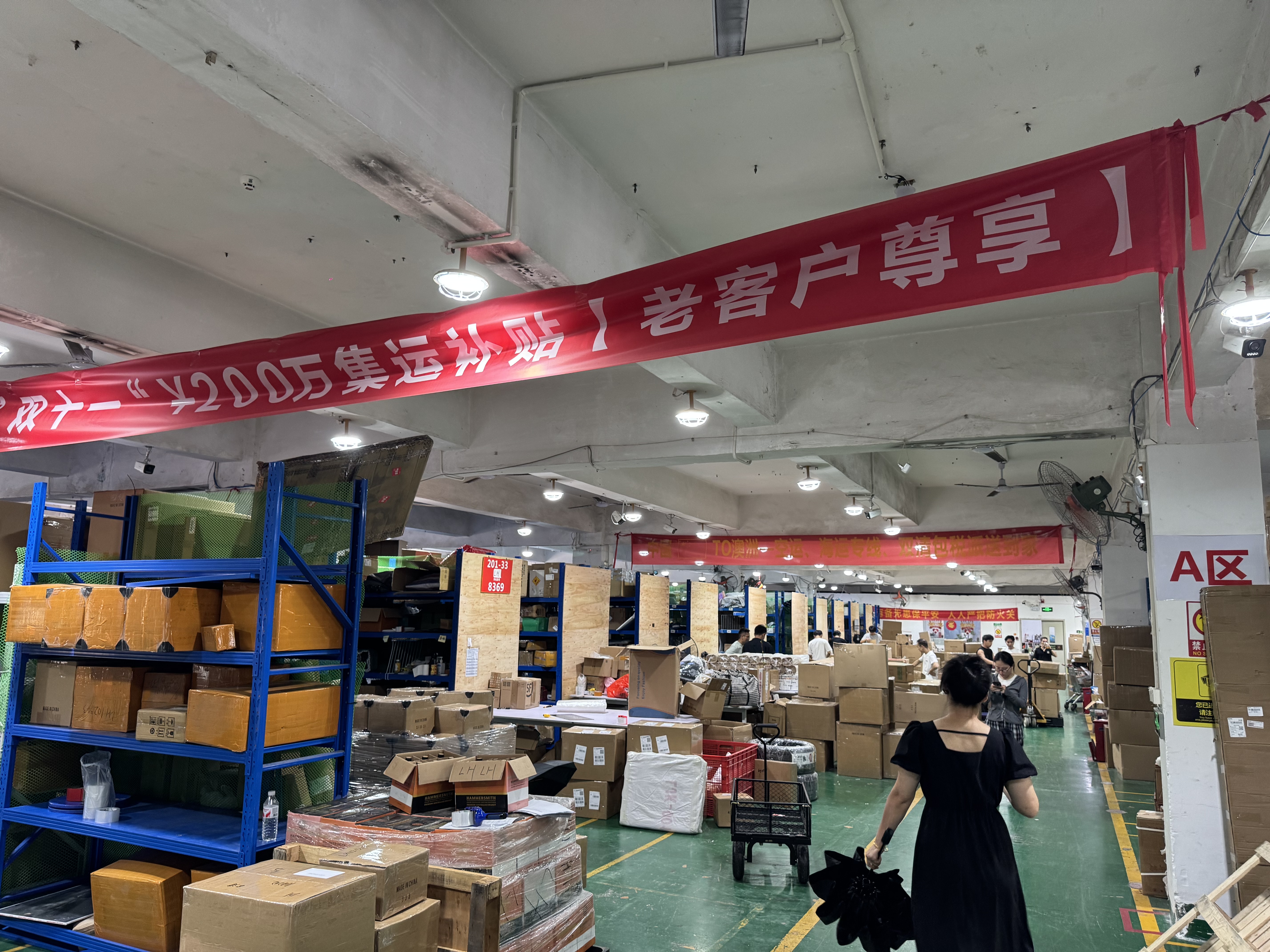
Disadvantages: However, FCL also has its limitations. The minimum charge is based on a full container, so if you don't have enough goods to fill it, you'll still pay for the whole space. This can be costly for small - scale importers.
Cost: On average, the cost of FCL from China to Australia ranges from $1500 to $3500 depending on the container size and the shipping season.
2. Less - than - Container Load (LCL) Shipping
Advantages: LCL is ideal for small business owners and e - commerce sellers who don't have a large volume of goods. You only pay for the space your goods occupy. Shengda International Logistics offers LCL services with competitive prices. They collect goods from different shippers, consolidate them into one container, and then dispatch them in Australia.Disadvantages: The transit time for LCL is usually longer compared to FCL because of the consolidation process. There's also a higher risk of damage as the goods are handled more frequently.
Cost: The cost of LCL is calculated based on the volume or weight of your goods. Typically, it can be around $50 - $120 per cubic meter.
3. Special Shipping Channels for Large and Oversized Items
For large items like furniture and heavy machinery, there are special shipping channels. These channels provide services such as extra - large container options, crating, and heavy - lift equipment. Shipping these items requires careful planning to ensure they are loaded and secured properly.
IV. Selecting the Right Logistics Partner
1. Considerations
When choosing a logistics partner for China - to - Australia sea freight, there are several factors to consider. First, experience matters. A company with years of experience in this route is more likely to handle problems efficiently. Second, look for a partner with a strong local presence in both China and Australia. This includes having local warehouses, customs agents, and delivery teams. Third, consider the technology they use. A modern logistics company like Shengda International Logistics uses a self - developed intelligent logistics system, which allows you to track your shipment in real - time.
2. Success Story
I remember a 3C electronics seller in Sydney who was struggling with a previous logistics provider. Their shipments were often delayed, and there were issues with customs clearance. After switching to Shengda International Logistics, they noticed a significant improvement. The transit time was reduced from an average of 30 days to 20 days, and the customs clearance process became much smoother. This allowed them to restock their inventory more quickly and meet customer demand.
V. New Policies and Their Impacts
1. Policy Changes in 2026
In 2026, there are some new policies that affect China - to - Australia sea freight. One of them is related to carbon emissions. Shipping companies are required to adopt more environmentally friendly practices. This may lead to changes in shipping routes and vessel types. For example, some shipping lines are now using more fuel - efficient vessels to meet the new regulations.
Another policy change is in the area of customs valuation. The ABF has updated its methods for determining the value of imported goods, which can impact the amount of duty you pay.
2. How to Adapt
To adapt to these policy changes, it's crucial to stay informed. Regularly read industry news and consult with your logistics partner. They can provide guidance on how to adjust your shipping strategy to comply with the new policies.
VI. FAQ
Q: How long does it usually take for sea freight from China to Australia? A: It depends on the shipping method and the port of origin and destination. Generally, FCL can take around 14 - 24 days, while LCL may take 20 - 35 days. But these are just estimates, and factors like weather and customs clearance can affect the transit time.
Q: Can I ship sensitive goods like electronics and food by sea from China to Australia? A: Yes, you can. For example, Shengda International Logistics has a sensitive goods compliance专线 that can handle electronics, food, and other sensitive items. However, you need to ensure that the goods comply with all relevant regulations, and proper documentation is provided.
Q: What if my goods are damaged during transit? A: If you choose a logistics partner with a good after - sales service like Shengda International Logistics, they have a standardized damage and loss compensation mechanism. You need to report the problem as soon as possible, and they will handle the claim process for you.
Q: How much should I budget for China - to - Australia sea freight? A: The cost varies based on many factors such as the volume, weight, shipping method, and the type of goods. You can get a detailed quote from your logistics provider. On average, for a small - scale LCL shipment, it may cost around $1000 - $2000, while a large - scale FCL shipment can range from $1500 - $5000.
Q: Do I need to handle the customs clearance process myself? A: No, you don't have to. A professional freight forwarder like Shengda International Logistics can handle the customs clearance process on your behalf. They have experienced customs agents who are familiar with the regulations and can ensure a smooth clearance.
As you continue to engage in China - to - Australia sea freight, always keep an eye on the latest policies, choose the right shipping method and logistics partner, and be prepared for potential challenges. With the right knowledge and strategies, you can make the most of this important shipping route in 2026.
