

I. Introduction
Shipping personal belongings to Australia can be a daunting task for many small business owners, importers, and e - commerce sellers. I've been in the cross - border logistics business for quite some time, and I've seen firsthand the challenges people face during this process. In 2026, with new policies and regulations from the Australian Border Force (ABF) and the Department of Agriculture, Fisheries and Forestry (DAFF), it's even more crucial to have a clear understanding of the shipping process.
II. Key Points of the 2026 Australia Shipping Policy
Biosecurity Updates In 2026, DAFF has tightened its biosecurity regulations. For example, items made from natural materials like wood, leather, and wool need to be carefully inspected. I had a client back in 2024 who shipped a batch of wooden furniture from China to Sydney. The furniture wasn't properly treated, and it was held at the Port Botany for almost 2 weeks, incurring additional storage fees. In 2026, the inspection process is even more rigorous, and non - compliant items may be destroyed.Customs Valuation The ABF has updated its customs valuation methods. They now pay more attention to the actual value of the goods, including the cost of production, transportation, and insurance. This means that when you're shipping personal belongings, you need to provide accurate invoices. If the declared value is too low, it may lead to delays and additional taxes.
III. Shipping Options and Their Analysis
Air Freight Advantages: It's the fastest option, with an average delivery time of roughly 7 - 12 days. This is great for small, high - value items or urgent shipments. For instance, a 3C electronics seller in Melbourne once used air freight to quickly restock a popular smartphone model from China. The phones were on the shelves in Melbourne within 10 days, allowing the seller to meet the high demand.There are fewer handling steps, which reduces the risk of damage.
Limitations: It's more expensive. The cost is usually about 3 - 5 times higher than sea freight.
There are weight and size restrictions. Large or heavy items may not be suitable for air freight.
Sea Freight Full Container Load (FCL) Advantages:
Ideal for large - volume shipments. If you're an apparel importer shipping a large quantity of clothing from China to Brisbane, FCL can be cost - effective. You can use a 20GP, 40GP, or 40HQ container depending on your volume.
You have more control over the container, and there's less risk of damage from other goods.
Limitations:
It has a longer transit time, usually around 25 - 35 days.
You need to have enough goods to fill a container. Otherwise, it may be wasteful.
Less than Container Load (LCL) Advantages:
It's suitable for small - to - medium - sized shipments. Home goods sellers who don't have enough goods to fill a container can use LCL. It's a more affordable option for them.
You only pay for the space your goods occupy.
Limitations:
There's a higher risk of damage due to multiple handling and sharing the container with other goods.
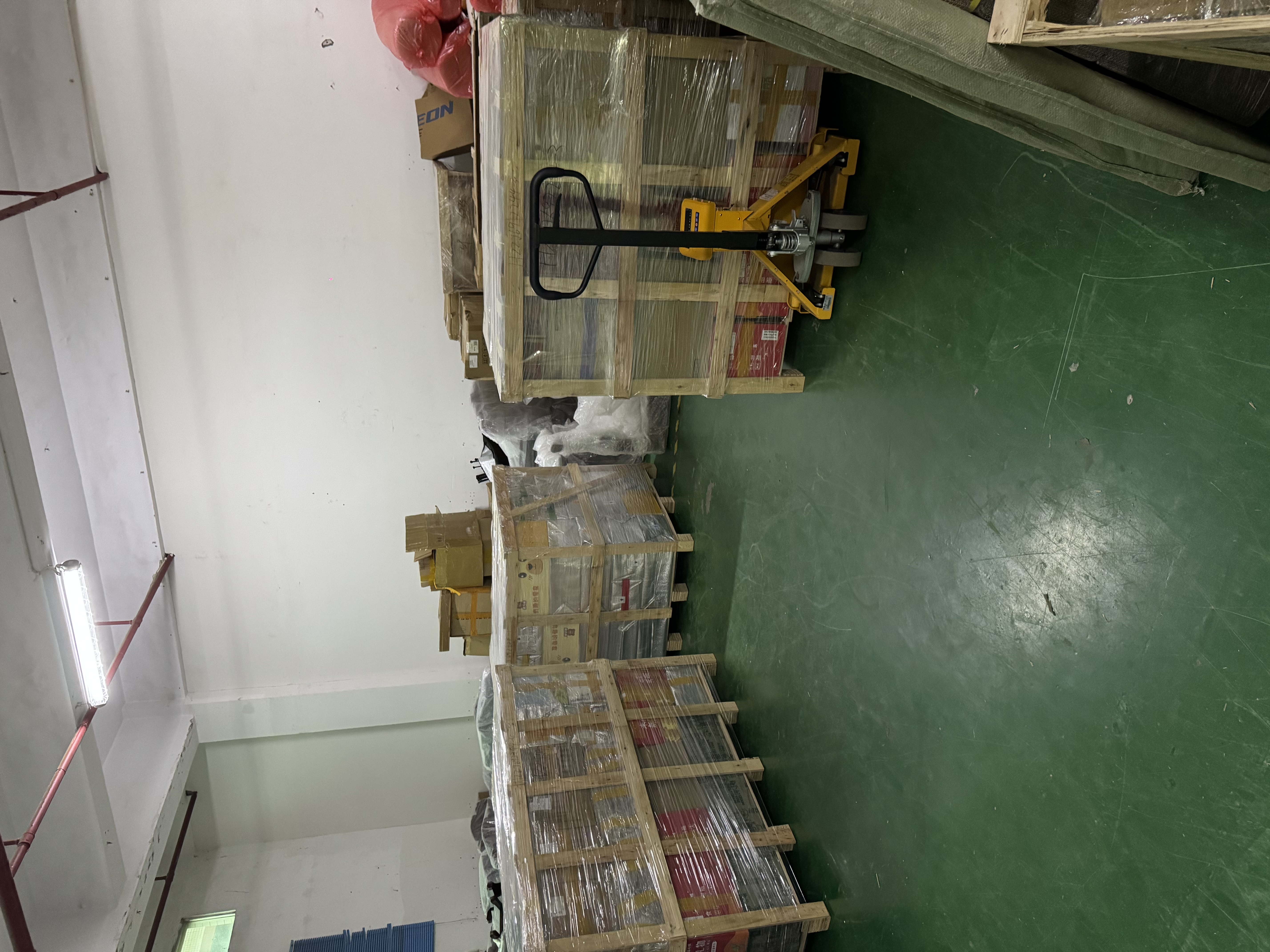
| Comparison Table of Shipping Options | Shipping Option | Transit Time | Cost | Suitability |
|---|---|---|---|---|
| Air Freight | 7 - 12 days | High | Small, high - value, urgent items | |
| FCL Sea Freight | 25 - 35 days | Medium - low for large volumes | Large - volume shipments | |
| LCL Sea Freight | 28 - 40 days | Low for small - to - medium volumes | Small - to - medium - sized shipments |
IV. Step - by - Step Shipping Process
Pre - shipment Preparation Inventory and Documentation: Make a detailed inventory of your personal belongings. Include descriptions, quantities, and values. You'll also need to prepare commercial invoices, packing lists, and any necessary certificates. For example, if you're shipping food items, you may need a certificate of origin and a food safety certificate.Packing: Proper packing is essential. Use strong boxes and appropriate cushioning materials. For fragile items, use bubble wrap or foam. Label the boxes clearly with the contents and destination address.
Shipping Arrangement Choose a Freight Forwarder: A reliable freight forwarder can help you with the entire shipping process. They have the expertise and connections to handle customs clearance, transportation, and other formalities. I recommend [Shengda International Logistics]. They've been in the business for a long time and have a good reputation for shipping to Australia. They offer a full range of services, including air and sea freight, and they can handle all types of goods.
Book the Shipment: Once you've chosen a freight forwarder, they'll help you book the shipment. You'll need to provide them with the details of your goods, including the type, quantity, weight, and destination.
Customs Clearance Submit Documents: Your freight forwarder will submit all the necessary documents to the Australian customs. These include the commercial invoice, packing list, bill of lading, and any certificates.
Pay Duties and Taxes: Depending on the value and type of your goods, you may need to pay duties and taxes. Your freight forwarder can calculate these costs for you.
Delivery Port Handling: Once the goods arrive at the port in Australia, they'll go through port handling procedures. This may include unloading from the ship and moving to the customs area.
Final Delivery: After customs clearance, the goods will be delivered to your designated address. If you've chosen a door - to - door service, the freight forwarder will take care of everything from the origin to the destination.
V. Frequently Asked Questions (FAQ)
Q: How can I avoid biosecurity issues when shipping to Australia? A: Make sure you understand the DAFF's biosecurity regulations. Avoid shipping items made from natural materials that are not properly treated. Provide accurate information about your goods to your freight forwarder, and they can help you with the necessary declarations.Q: What if my goods are held up at customs? A: This can happen for various reasons, such as incorrect documentation or a random inspection. Contact your freight forwarder immediately. They'll work with the customs authorities to resolve the issue. It may take some time, and there may be additional costs for storage.
Q: Is it better to choose air freight or sea freight? A: It depends on your needs. If you have urgent or high - value small items, air freight is a good choice. If you have a large quantity of goods and time is not a critical factor, sea freight is more cost - effective.
Q: Can I ship sensitive goods to Australia? A: Yes, but it's more complicated. You need to use a special sensitive goods compliance line. [Shengda International Logistics] has a dedicated channel for this. They can help you navigate the complex regulations and ensure your goods are declared correctly to avoid customs issues.
Q: How do I know if my freight forwarder is reliable? A: Check their reputation in the market. Look for reviews from other customers. A reliable freight forwarder should have a good track record of handling customs clearance, on - time delivery, and providing good customer service. They should also have the necessary licenses and certifications.
Shipping personal belongings to Australia in 2026 requires a good understanding of the new policies, the right shipping option, and a reliable freight forwarder. By following these guidelines and asking the right questions, you can ensure a smooth and successful shipping process.
