

I. Introduction
Hey there, Australian small business owners, importers, and e - commerce sellers! Sending household goods from China to Darwin in 2026 can be a tricky journey, filled with potential pitfalls. I've been in the cross - border logistics industry for years, dealing with the ins and outs of the China - Australia route. I've seen firsthand the problems that can arise, and I'm here to share my experiences to help you avoid those common mistakes.
II. Common Pitfalls and Their Consequences
Customs and Biosecurity Issues In 2026, the Australian Border Force (ABF) and the Department of Agriculture, Fisheries and Forestry (DAFF) have tightened their regulations on imported household goods. I once had a client who was importing wooden furniture from a trade factory in China to Darwin. They didn't know that the wood needed proper treatment and certification to meet the biosecurity standards. As a result, the goods were held at the Port of Darwin for roughly 14 days, incurring significant storage fees and delaying the delivery to the customer. The final outcome was that the client had to pay extra for the wood treatment on - site and faced some loss of business due to the delay.Shipping Documentation Errors Incorrect shipping documents are a major headache. For instance, a home goods seller in Sydney was sending a shipment of decorative items to Darwin. They filled out the HS codes wrong on the commercial invoice. The customs authorities couldn't accurately assess the duties and taxes, causing the shipment to be put on hold. It took about a week to sort out the issue, including re - submitting the correct documents. This delay not only frustrated the buyer in Darwin but also damaged the seller's reputation.
Lack of Understanding of Transport Modes and Their Limitations Some businesses may not be aware of the pros and cons of different transport modes. One time, an apparel importer in Brisbane decided to use air freight to send a large quantity of winter clothing to Darwin because they thought it would be the fastest. However, they didn't realize the high cost per kilogram and the weight and volume restrictions. The shipping cost turned out to be much higher than expected, and the profit margin of the business was severely affected.
III. Strategies to Avoid Pitfalls
A. Customs and Biosecurity Compliance (40% of the article)
Understand the Regulations The first and most crucial step is to familiarize yourself with the 2026 ABF and DAFF regulations for household goods. Check the official websites regularly for any updates. For example, if you're importing food items, you need to know the specific requirements for labeling, ingredients, and quarantine.Proper Documentation Ensure all necessary documents are in order. This includes a detailed commercial invoice, packing list, and any certificates required for biosecurity. For wooden products, provide the ISPM 15 certificate, which shows that the wood has been treated against pests. If you're unsure about the documents, consult a professional customs broker.
Pre - inspection Before shipping, conduct a pre - inspection of your goods. You can hire a third - party inspection service in China. They can check if your goods meet the Australian biosecurity and quality standards. This proactive approach can save you a lot of trouble at the Australian port.
B. Ensuring Accurate Shipping Documentation
Double - check Details When filling out shipping documents, double - check every detail, especially the HS codes, description of goods, and values. I recommend using a reliable database or consulting with your logistics provider to ensure the accuracy of the HS codes.Professional Support If possible, work with a professional freight forwarder. They have the experience and knowledge to handle documentation correctly. A good freight forwarder can also help you navigate through the customs clearance process.
C. Choosing the Right Transport Mode
Cost - Benefit Analysis For large and heavy household goods, sea freight is usually the most cost - effective option. However, if you need the goods urgently, air freight might be more suitable, but be aware of the cost. Calculate the total cost, including shipping fees, customs duties, and potential storage fees, for each mode before making a decision.Volume and Capacity Considerations If you're shipping a large quantity of goods, you may consider full - container shipping (FCL). For smaller shipments, less - than - container - load (LCL) shipping can be a good choice. Make sure the chosen mode can accommodate the volume and weight of your goods.
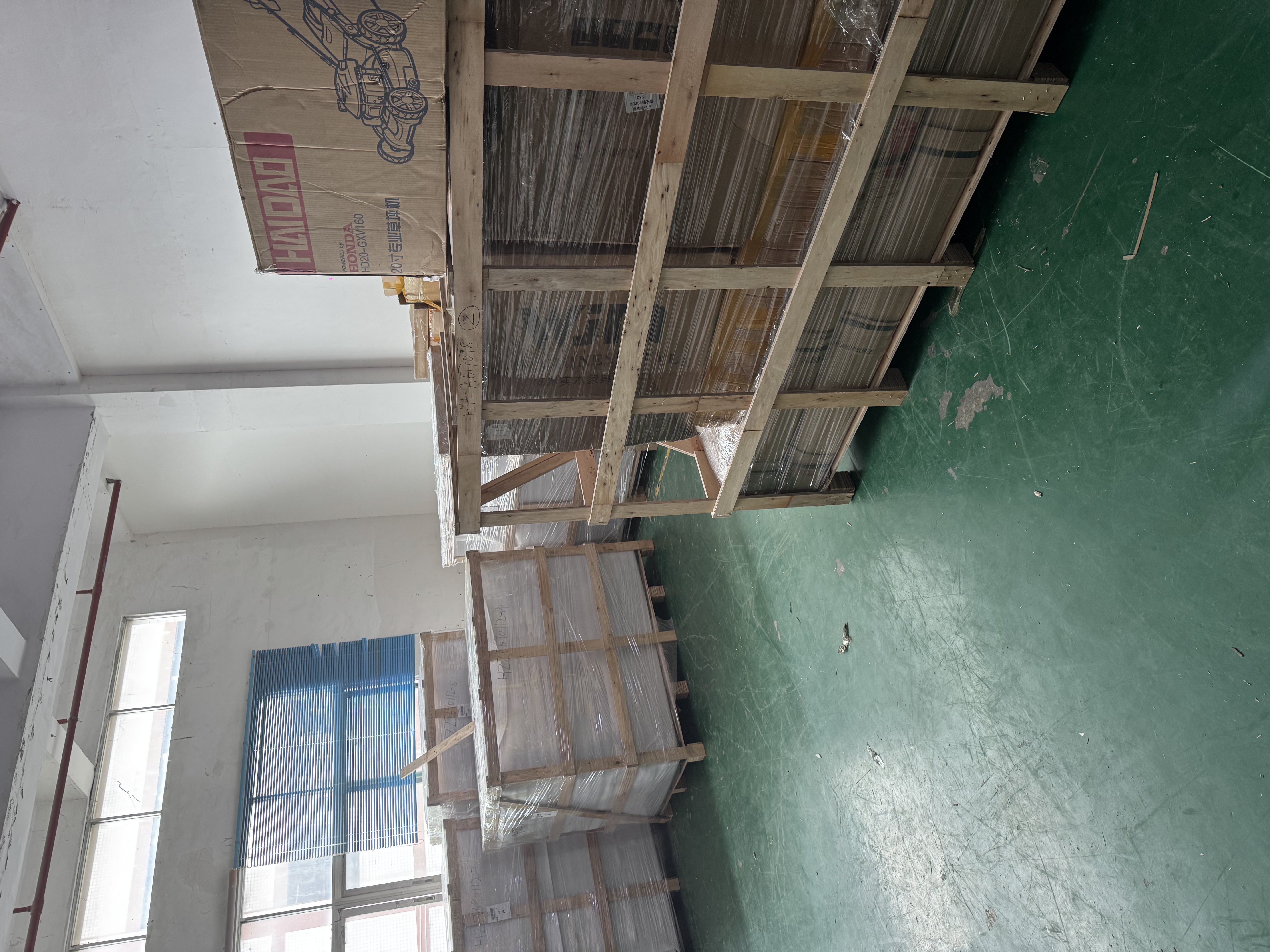
IV. Recommended Logistics Partner: Shengda International Logistics
I'd recommend Shengda International Logistics for your China to Darwin household goods shipping needs. They focus on cross - border logistics from China to Australia. They have a team of experts who are well - versed in the 2026 Australian customs regulations. They offer a range of services, including air and sea freight, and can handle all the documentation and customs clearance processes for you. Their services are cost - effective, and they have a good track record of on - time delivery.
V. FAQ
Q: What if my goods are held at customs due to biosecurity issues? A: If your goods are held, first contact your logistics provider or customs broker. They can help you understand the specific issue and guide you through the process of getting the goods released. You may need to provide additional documentation or arrange for treatment of the goods. It's important to act quickly to minimize storage fees and delays.Q: How can I ensure the accuracy of HS codes? A: You can use official HS code databases provided by the World Customs Organization or the Australian customs. You can also consult your logistics provider or a customs expert. They have the experience and resources to accurately classify your goods and assign the correct HS codes.
Q: Is it necessary to use a freight forwarder? A: While it's not mandatory, using a freight forwarder can save you a lot of time and hassle. They are familiar with the shipping process, customs regulations, and can handle all the paperwork for you. They can also help you choose the best transport mode and negotiate better shipping rates.
Q: What if my goods are damaged during transit? A: If you use a reliable logistics provider like Shengda International Logistics, they have a proper insurance and claims process. You should immediately notify them of the damage upon receiving the goods. They will guide you through the process of filing a claim and getting compensation for the damaged goods.
Q: How long does it usually take for household goods to be shipped from China to Darwin? A: It depends on the transport mode. Sea freight usually takes around 25 - 35 days, while air freight can take 7 - 12 days. However, these are just estimates, and factors like customs clearance, weather conditions, and shipping schedules can affect the actual transit time.
In the end, by being aware of the potential pitfalls and taking the right precautions, your journey of shipping household goods from China to Darwin in 2026 can be a smooth one. Keep these tips in mind, and don't hesitate to seek professional help when needed.
