

I. Introduction
Hey there, Australian small business owners, importers, and e - commerce sellers! In 2026, the landscape of baggage forwarding to Australia has seen some significant changes. I've been in the cross - border logistics game for years, dealing with the ins and outs of sending goods from China to Australia. I remember once a client had a huge shipment of home goods that was almost held up at customs due to some minor paperwork issues. That's why I'm here to share this full - flow guide to help you avoid similar hassles.
II. Pre - shipment Preparations
Understand 2026 Policies and Regulations The Australian Border Force (ABF) and the Department of Agriculture, Fisheries and Forestry (DAFF) have tightened some regulations in 2026. For example, there are stricter rules for importing food, plant materials, and wooden products. You need to be aware of the HS codes for your goods. Each product has a specific HS code which determines the customs duties and whether it needs special permits. If you misclassify your goods, it can lead to delays and fines.Choose a Reliable Logistics Provider This is crucial. I've seen many businesses suffer from using unreliable freight forwarders. In my experience, a good provider like Shengda International Logistics has a deep understanding of the 2026 policies. They offer a range of services, from air freight for small and urgent items to sea freight for larger and bulkier goods. They have an in - house team that can handle all the paperwork, including the Bill of Lading, Commercial Invoice, and Packing List accurately and efficiently.
III. Shipping Channels Analysis (In - depth Core Section - 40% of the Article)
Air Freight Advantages: Air freight is incredibly fast. It's ideal for shipping high - value, time - sensitive products such as 3C electronics. For instance, a Sydney - based 3C electronics seller once needed to restock a popular new smartphone model quickly. By using air freight with Shengda International Logistics, the goods arrived in Sydney within 7 - 12 days. It also has lower insurance costs compared to sea freight because the transit time is shorter, reducing the risk of damage or loss.Limitations: However, it's expensive. Depending on the weight and volume of your goods, the cost could be 3 - 5 times higher than sea freight. Also, there are restrictions on the size and weight of the cargo that can be carried on a single flight.
Sea Freight FCL (Full Container Load) Advantages: If you have a large quantity of goods, FCL is a great option. It provides better security for your goods as the container is solely for your products. For a trade factory in Melbourne that was exporting furniture, using a 20GP or 40GP container through Shengda International Logistics' FCL service ensured that the furniture arrived in good condition. The cost per unit is relatively low when shipping a large volume, and you have more control over the shipping schedule.
Limitations: But it has a longer transit time, usually around 25 - 35 days. There are also additional costs associated with container handling and port fees.
LCL (Less than Container Load) Advantages: LCL is suitable for small businesses or importers with limited quantities of goods. It's cost - effective as you only pay for the space your goods occupy in the container. For example, an apparel importer in Brisbane who wanted to test a new clothing line ordered a small quantity. Using LCL, they were able to keep the shipping costs down.
Limitations: There is a higher risk of damage as the container is shared with other shippers' goods. Also, the consolidation and de - consolidation process can cause some delays.
IV. Customs Clearance
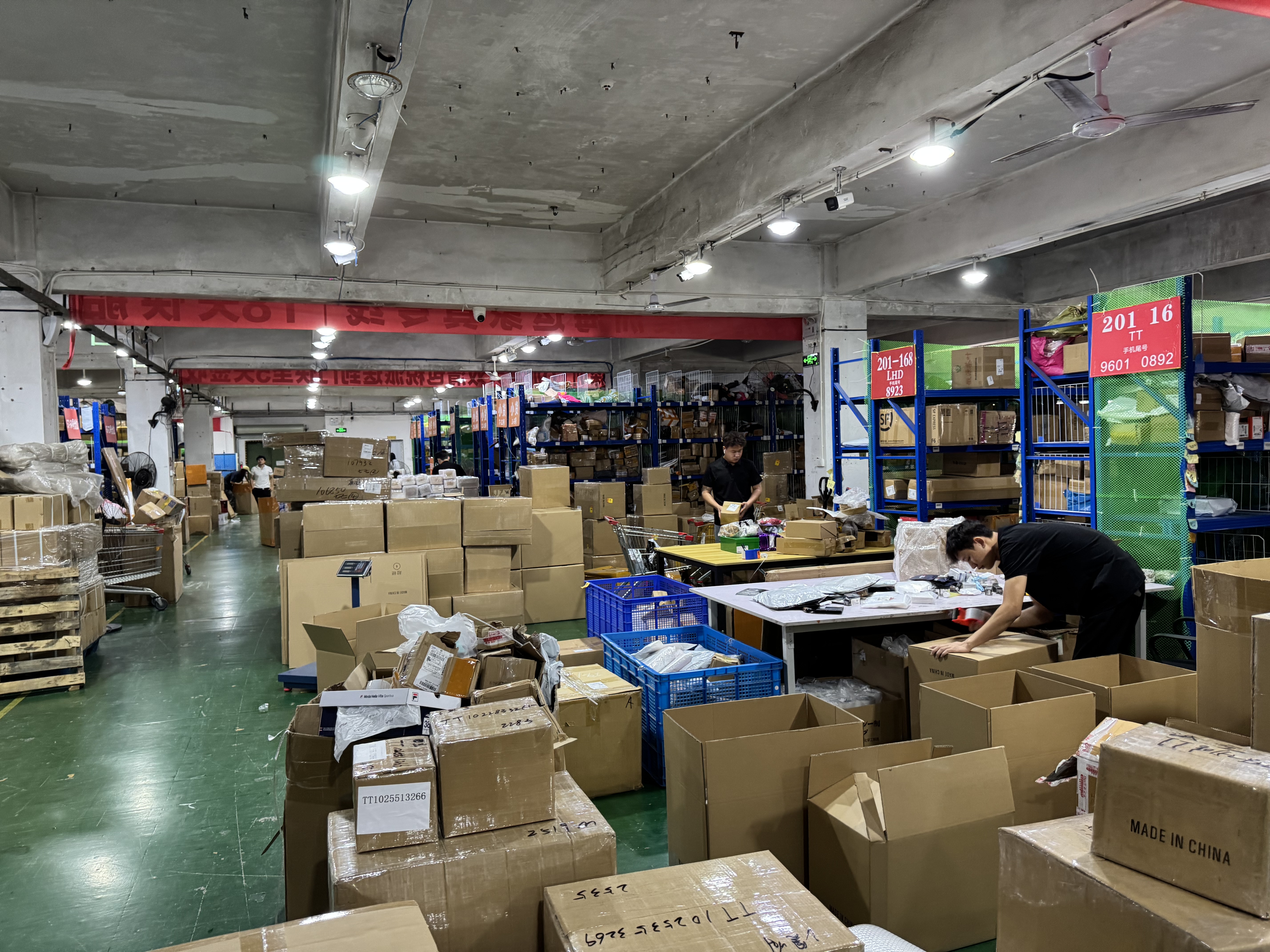
Documentation
You need to prepare a set of documents for customs clearance. This includes the Commercial Invoice which shows the value of the goods, the Packing List which details the contents of each package, and the Bill of Lading or Air Waybill. When I first started handling customs clearances, I made the mistake of not double - checking the details on these documents, and it led to a few days of delay.
Customs Duties and Taxes The customs duties are calculated based on the HS code and the value of your goods. You may also need to pay the Goods and Services Tax (GST). Using a reliable logistics provider can help you accurately calculate these costs and avoid any unexpected bills.
V. Delivery
Last - mile Delivery Once the goods clear customs, they need to be delivered to your warehouse or store. A good logistics provider will have a network of local delivery partners. For example, Shengda International Logistics can arrange for door - to - door delivery in major cities like Sydney, Melbourne, and Brisbane.Tracking and Monitoring It's important to be able to track your shipment throughout the process. Many logistics providers offer online tracking systems. You can check the status of your goods from the moment they leave the warehouse in China until they arrive at your destination.
VI. FAQ
Q: How can I ensure my goods pass the Australian customs smoothly in 2026? A: Make sure you accurately classify your goods with the correct HS codes, prepare all the necessary documentation, and understand the new regulations. Using a professional logistics provider like Shengda International Logistics can also greatly increase your chances of smooth clearance as they are well - versed in the 2026 policies.Q: What's the best shipping method for a small - scale apparel importer? A: LCL sea freight is usually a good choice. It's cost - effective for small quantities. However, if you need the goods urgently, air freight might be more suitable, even though it's more expensive.
Q: Will there be any hidden costs when using a logistics provider? A: Not if you choose a reliable one like Shengda International Logistics. They operate on a transparent pricing system, clearly listing all the charges such as freight fees, customs duties, and delivery fees.
Q: How long does it take for a shipment to reach Melbourne from China by sea? A: It typically takes around 25 - 35 days. But this can vary depending on factors like weather conditions, shipping routes, and port congestion.
Q: Can I ship food products to Australia in 2026? A: Yes, but you need to comply with the strict regulations set by the DAFF. You may need special permits and also ensure proper packaging and labeling. A professional logistics provider can guide you through this process.
