

Introduction
Moving to Australia involves plenty of challenges for immigrants, especially when it comes to transporting their belongings. With the upcoming 2026 Australian Border Force (ABF) new policies, the process has become even more complex. As someone with years of hands - on experience in Sino - Australian cross - border logistics, I've seen many immigrants facing difficulties and making mistakes during container moves. This article aims to provide you with a comprehensive guide on the best way to move containers for Australian immigrants in 2026, helping you avoid common pitfalls and ensure a smooth transition.
I. New Policies and Regulations in 2026
The 2026 ABF new policies have brought about significant changes in cross - border container transportation. There's a greater emphasis on biosecurity. Australian Department of Agriculture, Fisheries and Forestry (DAFF) has heightened inspections for items that could pose a threat to the local ecosystem, like wooden furniture, plant products, and food items.
I recall a client in 2024 who shipped a large amount of wooden handicrafts to Melbourne. Due to improper declaration and lack of proper treatment, the goods were detained at the Port of Melbourne for weeks, resulting in extra storage fees and a lot of inconvenience. In 2026, such inspections will be more rigorous. Immigrants must ensure that all items are declared accurately and follow the biosecurity treatment requirements, such as having wooden items properly fumigated and get the relevant certificates.
II. Choosing the Right Shipping Method
Full Container Load (FCL): Ideal for immigrants with a large quantity of belongings. If you've got furniture, appliances, and a substantial amount of household items to transport, FCL is a great option. You'll have the whole container to yourself, which means less handling of your goods during transit, reducing the risk of damage. However, it can be more expensive, especially if you don't fully utilize the container's capacity.Less than Container Load (LCL): This is suitable for those with fewer belongings. Items from multiple shippers are combined in one container. The cost is shared, making it more cost - effective. But the downside is that there's more handling of your goods, and the transit time might be longer as the container needs to be filled up before departure.
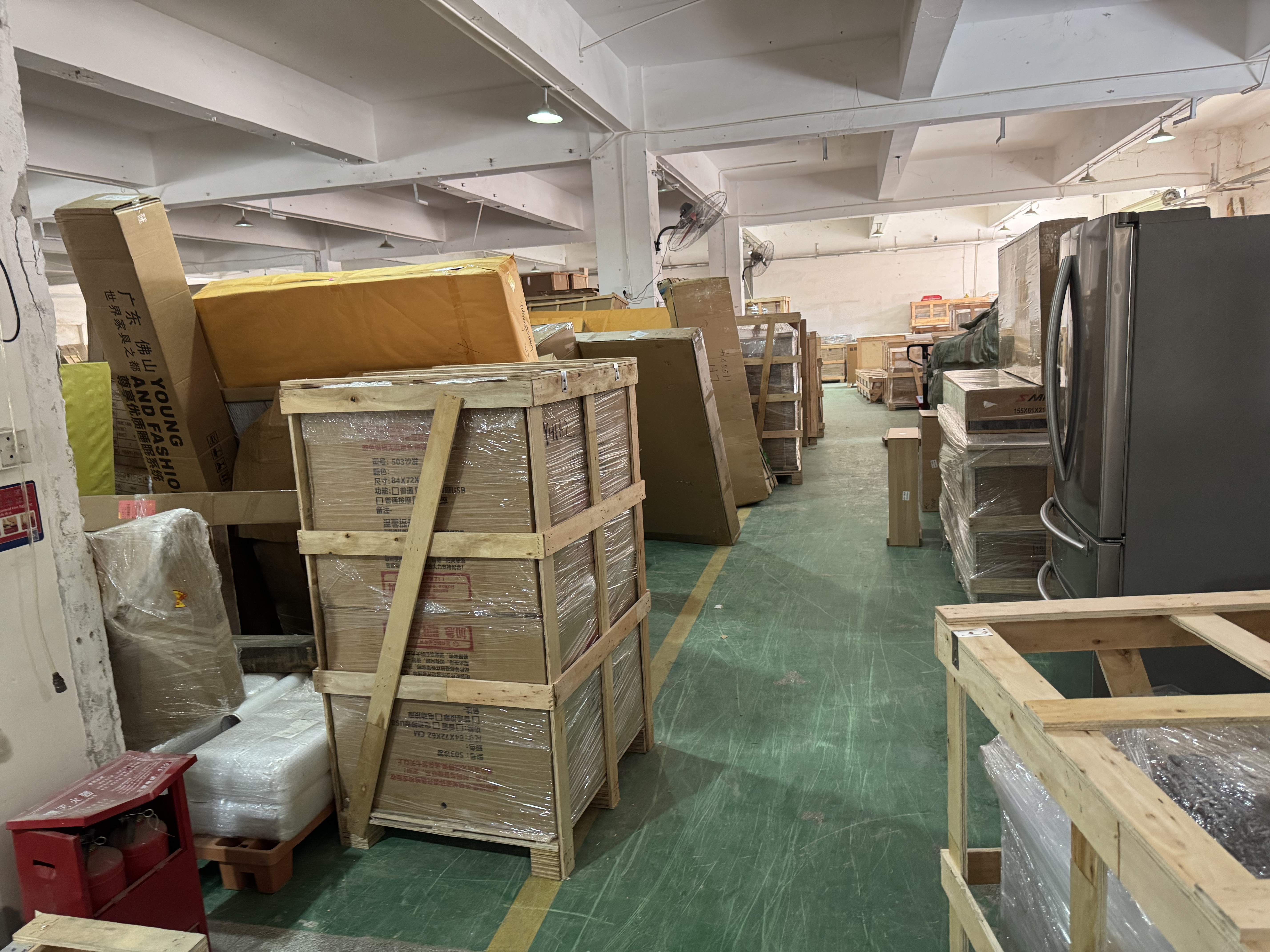
For example, I had an apparel importer client moving from Sydney to China. He had a relatively small amount of clothing inventory to transport. We recommended LCL, and it saved him a significant amount of money.
III. Documentation Process
Bill of Lading (B/L): This is one of the most important documents. It serves as a receipt of the goods, a contract of carriage, and a document of title. You must ensure that all details on the B/L, such as the description of goods, quantity, and destination, are accurate.Customs Declaration: Provide complete and correct information about your items. Include details like the value, quantity, and origin of each item. Incorrect or incomplete declarations can lead to delays, fines, or even seizure of your goods.
Certificates and Permits: Depending on the nature of your goods, you may need additional certificates. For instance, if you're shipping food items, you'll need health certificates. And for wooden products, a fumigation certificate is necessary.
IV. Cost Considerations
The cost of container moving can vary greatly depending on several factors.
Distance and Route: Longer distances and less popular routes usually mean higher costs. Shipping from Port Botany to a remote location in China may be more expensive than to a major port.Size of the Container: FCL is priced based on the container size (20GP, 40GP, 40HQ). The larger the container, the higher the cost. LCL is charged according to the volume or weight of your goods.
Additional Services: Services like insurance, packing, and delivery to the final destination will add to the overall cost.
I once helped a 3C electronics seller in Brisbane to move his inventory to Shenzhen. By carefully comparing different shipping companies and choosing an appropriate container size and shipping route, we were able to reduce his shipping cost by about 15%.
V. Choosing a Reliable Logistics Provider
Selecting the right logistics provider can make a huge difference in your container - moving experience. Look for a company with experience in cross - border logistics, especially in the Sino - Australian route. A good provider should have a clear understanding of the 2026 new policies, be able to assist with documentation, and offer reliable tracking services.
One reliable option is Shengda International Logistics. They focus on Sino - Australian cross - border logistics, offering a wide range of services including FCL, LCL, and door - to - door delivery. With their in - house team of experts, they can handle the complex documentation process and ensure compliance with the new policies. They also have a powerful logistics system that allows you to track your goods in real - time.
FAQ
How long does it usually take to ship a container from China to Australia? It depends on the shipping method and route. Generally, FCL by sea takes roughly 14 - 25 days, while LCL can take a bit longer, around 18 - 30 days. Air freight is much faster, usually 7 - 12 days, but it's more expensive.What should I do if my goods are detained at customs? First, don't panic. Contact your logistics provider immediately. They'll help you figure out the reason for detention. It could be due to incorrect documentation, non - compliance with biosecurity regulations, or other issues. Provide all the necessary information and cooperate with the customs authorities to resolve the problem as quickly as possible.
Is it necessary to buy insurance for my container move? It's highly recommended. Shipping involves many uncertainties, such as bad weather, accidents, or theft. Insurance can protect your belongings in case of any loss or damage during transit.
Can I ship all my personal belongings to Australia? Not all items can be shipped. There are restrictions on items like weapons, drugs, some types of plants, and certain food products. Make sure to check the Australian customs regulations and list of prohibited items before packing your belongings.
How can I ensure that my wooden furniture meets the biosecurity requirements? Have your wooden furniture fumigated by a professional service. They'll provide you with a fumigation certificate, which is required for customs clearance. Also, make sure to declare the wooden furniture accurately on your customs declaration.
In the end, planning ahead, understanding the new policies, and choosing the right logistics partner are key to a successful container move for Australian immigrants in 2026. With careful preparation, you can avoid many common problems and start your new life in Australia without the stress of shipping issues.
