

I. Introduction
Shipping personal belongings to Canada can be a complex process, especially with the 2026 policy changes. I've seen many people struggle with this, from new immigrants to students. Once, a client in 2024 was moving to Toronto. They had a lot of personal items but didn't know about the proper procedures, and it ended up causing a lot of delays. So, let's dive into what you should know.
II. 2026 Policy Changes and Their Impact
In 2026, there have been significant updates in Canadian customs policies. The Canadian Border Services Agency (CBSA) has tightened regulations on certain items, especially food and electronics. For example, the import of some types of food now requires more detailed documentation to ensure food safety, as per the Canadian Food Inspection Agency (CFIA) guidelines.
These changes mean you need to be more careful when packing your personal belongings. If you're bringing in a lot of electronics, you'll need to know the correct HS codes for each item. This is crucial for accurate customs declaration. I remember a case where a person shipped a bunch of electronic gadgets without proper HS code information, and their shipment was held up at the Port of Vancouver for over a week.
III. Choosing the Right Shipping Method
Air Freight Air freight is a great option if you're in a hurry. It's fast, with an average delivery time of roughly 7 - 12 days. However, it's also more expensive. For small, lightweight items like clothes, books, and some small electronics, air freight can be ideal. But if you have a large quantity of heavy items, the cost can skyrocket.Sea Freight Sea freight is more cost - effective for larger shipments. It's suitable for furniture, household appliances, and other bulky items. You can choose between full container load (FCL) and less than container load (LCL). FCL is better if you have a lot of items, while LCL is more economical for smaller amounts. But sea freight is slower, with an estimated transit time of 20 - 35 days.
IV. Packing and Documentation
Packing Proper packing is essential to protect your belongings during transit. For fragile items like glassware and electronics, use plenty of bubble wrap and sturdy boxes. If you're shipping furniture, consider disassembling it and using protective covers. I once had a client who shipped a beautiful antique vase without proper packing, and it arrived in pieces.
Documentation You'll need to prepare several important documents. A detailed inventory list is a must. It should include a description of each item, its value, quantity, and the HS code if applicable. You also need a bill of lading or air waybill, depending on the shipping method. And don't forget to have your identification and any relevant immigration documents ready.
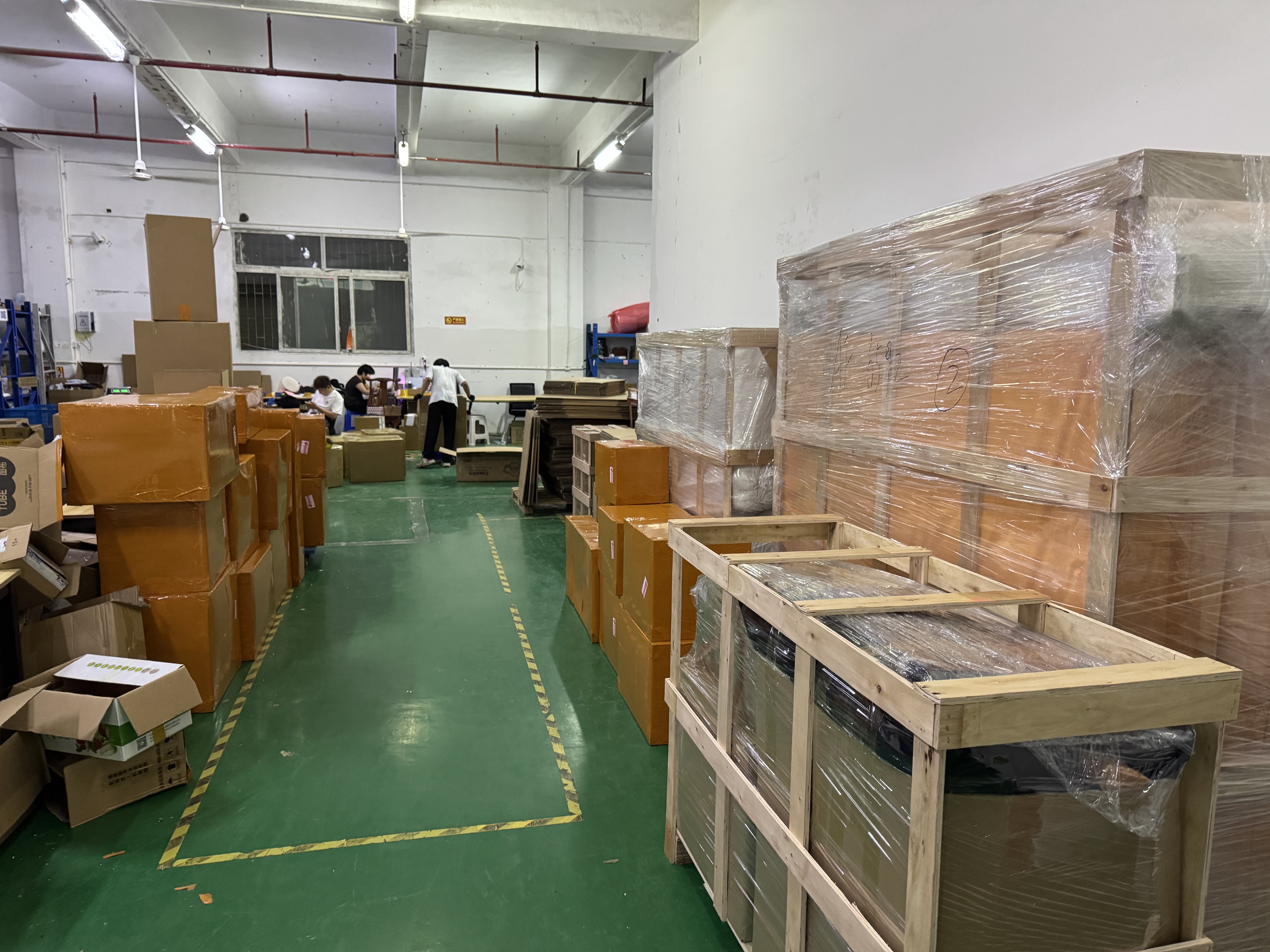
V. Customs Clearance
Common Issues Customs clearance can be a major hurdle. One common issue is the incorrect valuation of items. If you undervalue your belongings, it may raise red flags with the CBSA. Another issue is the lack of proper documentation for restricted or prohibited items. For example, some types of plants and animals are strictly prohibited, and if you try to bring them in without the right permits, your shipment could be seized.How to Avoid Problems To avoid customs issues, make sure you do your research. Check the CBSA website for the latest list of restricted and prohibited items. Declare all your items accurately and provide all the necessary documentation. If you're unsure about something, it's always a good idea to consult a professional customs broker.
VI. Cost Considerations
The cost of shipping personal belongings to Canada depends on several factors. The weight and volume of your shipment are the most obvious ones. The shipping method you choose also plays a big role. Air freight is generally more expensive per kilogram, while sea freight is more cost - effective for larger volumes.
There are also additional costs such as customs duties, taxes, and shipping insurance. Make sure you understand all these costs upfront to avoid any surprises. For example, if your shipment is valued at over a certain amount, you may have to pay customs duties.
VII. FAQ
What if I forget to include an item in the inventory list? It can cause problems at customs. If you find you've missed an item, it's best to contact the shipping company or your customs broker as soon as possible. They may be able to help you correct the documentation, but there could be some additional fees and delays involved.Can I ship personal food items to Canada? Yes, but it's complicated. The CFIA has strict rules on food imports. You need to make sure the food is allowed, and you may need to provide documentation such as a certificate of origin. Some types of fresh produce are often restricted to prevent the spread of pests and diseases.
Should I buy shipping insurance? It's highly recommended. Shipping insurance can protect your belongings in case of damage, loss, or theft during transit. While it adds to the cost, it gives you peace of mind, especially if you have valuable items.
Do I need a customs broker? It's not mandatory, but it can be very helpful, especially in 2026 with the new policy changes. A customs broker has the expertise to handle all the paperwork and ensure your shipment clears customs smoothly. They can also help you avoid common mistakes and save you time and money in the long run.
How can I track my shipment? Most shipping companies provide a tracking number. You can use this number on their website or app to check the status of your shipment. Make sure to keep an eye on it, especially during customs clearance, as any issues may show up in the tracking information.
In the end, shipping personal belongings to Canada in 2026 requires careful planning, proper documentation, and a good understanding of the new policies. By following these guidelines and being well - informed, you can ensure a smooth and stress - free shipping experience.
