

I. Introduction
In 2026, the sea freight of household goods for Canadian families has become a common choice. However, there are many pitfalls in this process. I've seen a lot of families facing various problems during sea - freight. Once, a family in Vancouver planned to move their household items from China. They thought they had everything sorted, but ended up in a mess. So, let's dive into the things Canadian families should avoid in this year's household goods sea freight.
II. Lack of Understanding of New Policies
2026 Canadian Customs Policy Updates In 2026, the Canadian Border Services Agency (CBSA) introduced some new policies for imported household goods. For example, there are stricter regulations on the declaration of used items. I had a client back in 2026 who didn't know that they needed to provide detailed usage history for their second - hand furniture. As a result, their shipment was held up at the port for nearly two weeks. This family from Toronto just assumed that as long as they declared the goods, it would be fine. But they forgot to pay attention to the new requirements.Food and Plant Regulations Another important aspect is the regulations on food and plants. The Canadian Food Inspection Agency (CFIA) has very strict rules. You can't randomly ship homemade food or plants without proper certification. A family in Calgary once tried to ship some homemade preserves and some potted plants. The shipment was confiscated at the port because they didn't have the necessary phytosanitary certificates and food safety approvals. To avoid this, families should always check the CFIA website for the latest regulations before shipping any food or plant items.
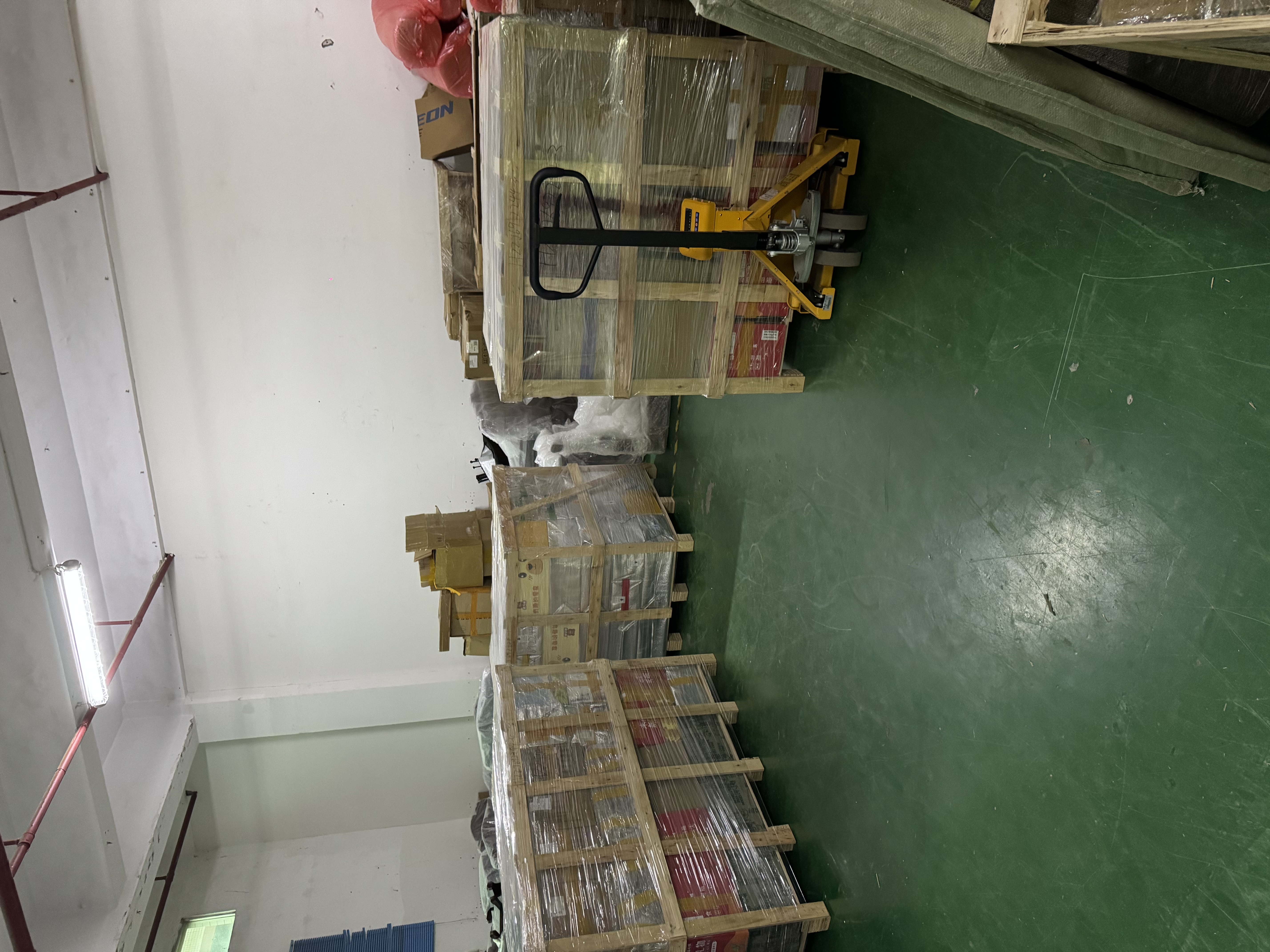
III. Inadequate Packaging
The Importance of Proper Packaging Good packaging is crucial for sea freight. The journey by sea is long and rough, and household goods can easily get damaged if not packed well. I once handled a shipment from a family in Montreal. They thought they could save some money by using simple cardboard boxes for their fragile glassware. When the shipment arrived, almost half of the glass items were broken. This could have been avoided if they had used proper bubble wrap and sturdy wooden crates.Packaging for Different Types of Goods Different household goods require different packaging methods. For example, large furniture should be wrapped in protective plastic and secured with straps to prevent scratches and damage during transit. Electronics need anti - static packaging and shock - absorbing materials. If a family in Vancouver is shipping a TV, they should use the original packaging if possible, or at least a well - padded custom box.
IV. Choosing an Unreliable Freight Forwarder
Risks of Unreliable Freight Forwarders Selecting an unreliable freight forwarder can lead to many problems. Some fly - by - night companies may promise low prices but then add hidden fees later. A family in Halifax once hired a cheap freight forwarder. They were quoted a very low price at first, but when the shipment was about to arrive, they were bombarded with extra charges for storage, handling, and documentation.Evaluating Freight Forwarders To choose a reliable freight forwarder, families should check their reputation. Look for reviews from other customers, ask for references, and verify their business license. For instance, at "Shengda International Logistics," we have a team of experts with over 10 years of experience in international freight forwarding. We provide transparent pricing, detailed shipping plans, and real - time tracking information. By choosing a professional and trustworthy company like ours, families can avoid many of the problems associated with unreliable freight forwarders.
V. Incorrect or Incomplete Documentation
The Role of Documentation in Sea Freight Accurate documentation is essential for smooth sea freight. All the necessary papers, such as the bill of lading, commercial invoice, and packing list, need to be filled out correctly. I remember a family in Ottawa. They made a small mistake in the description of their goods on the commercial invoice. This led to delays in customs clearance as the officers had to verify the information.Common Documentation Mistakes to Avoid Some common mistakes include misspelling the recipient's address, incorrect item descriptions, and wrong HS codes. Families should double - check all the information before submitting the documents. If possible, they can also seek help from a professional customs broker or freight forwarder to ensure the accuracy of the documentation.
VI. FAQ
Q: How long does it usually take for household goods to be delivered by sea from China to Canada in 2026? A: It generally takes roughly 25 - 35 days, depending on the departure port in China, the destination port in Canada, and shipping schedules. However, factors like bad weather and port congestion can cause delays.Q: Can I ship all my household goods together? A: Most household goods can be shipped together, but there are restrictions on certain items. As mentioned before, food and plants need proper certification. Also, some items like fireworks, weapons, and some chemicals are strictly prohibited.
Q: How can I estimate the cost of sea - freight for my household goods? A: The cost mainly depends on the volume and weight of the goods, the shipping route, and additional services like insurance. A reliable freight forwarder can help you calculate a more accurate cost based on your specific situation.
Q: What should I do if my goods are damaged during transit? A: First, take photos of the damaged goods as soon as you receive them. Then, contact your freight forwarder or the shipping company immediately. They will guide you through the claim process. If you've chosen a company with a proper insurance and claims mechanism like "Shengda International Logistics," you'll have more support in getting compensation.
Q: Is it necessary to buy insurance for my household goods during sea - freight? A: It's highly recommended. Sea - freight involves many uncertainties. Buying insurance can protect your goods in case of damage, loss, or theft during transit. It gives you peace of mind knowing that you'll be compensated if something goes wrong.
In 2026, Canadian families need to be more cautious when shipping household goods by sea. By avoiding the above pitfalls, they can ensure a smooth and stress - free shipping experience.
