

I. Introduction
Ever thought about shipping furniture to Canada in 2026? Well, there's more to it than just packing and sending. One crucial aspect is the fumigation service. I remember back in 2024, a client wanted to ship a set of beautiful wooden furniture to Vancouver. Little did they know, the lack of proper fumigation almost led to the goods being detained at the port. In this article, I'll share some key points about fumigation service for furniture shipping to Canada this year.
II. Why Fumigation is Necessary
Canadian Regulations In 2026, the Canadian Border Services Agency (CBSA) and the Canadian Food Inspection Agency (CFIA) have strict regulations regarding imported wooden furniture. Wood can carry pests, insects, and fungi that could harm Canada's ecosystem. For example, the Asian long - horned beetle is a threat to North American forests. To prevent the entry of such pests, fumigation is a must for most wooden furniture.These regulations are not just about protecting the environment but also maintaining the health of Canada's agriculture and forestry industries.
Avoiding Detention and Confiscation Without proper fumigation, your furniture can be detained at Canadian ports. I've seen cases where shipments were held up for weeks because of non - compliant fumigation. This not only causes delays but also incurs additional storage and handling costs.
In extreme cases, if the pests are found and the fumigation is inadequate, the furniture may even be confiscated, resulting in a total loss for the shipper.
III. The Fumigation Process (40% of the Article)
Pre - fumigation Inspection Before the fumigation process begins, a thorough inspection of the furniture is carried out. The inspector will check for any signs of pests, such as holes in the wood, sawdust, or live insects. This is a crucial step as it helps determine the level of fumigation required.For instance, if the inspection reveals a significant infestation, a more intensive fumigation treatment may be necessary. Inspectors use tools like magnifying glasses and probes to check the interiors of the furniture.
Selection of Fumigants There are different types of fumigants available, such as methyl bromide and phosphine. Methyl bromide has been a commonly used fumigant in the past, but its use is being phased out due to its ozone - depleting properties. In 2026, phosphine is becoming a more popular choice.
Phosphine is effective against a wide range of pests and is considered more environmentally friendly compared to methyl bromide. However, it also needs to be handled carefully as it is toxic.
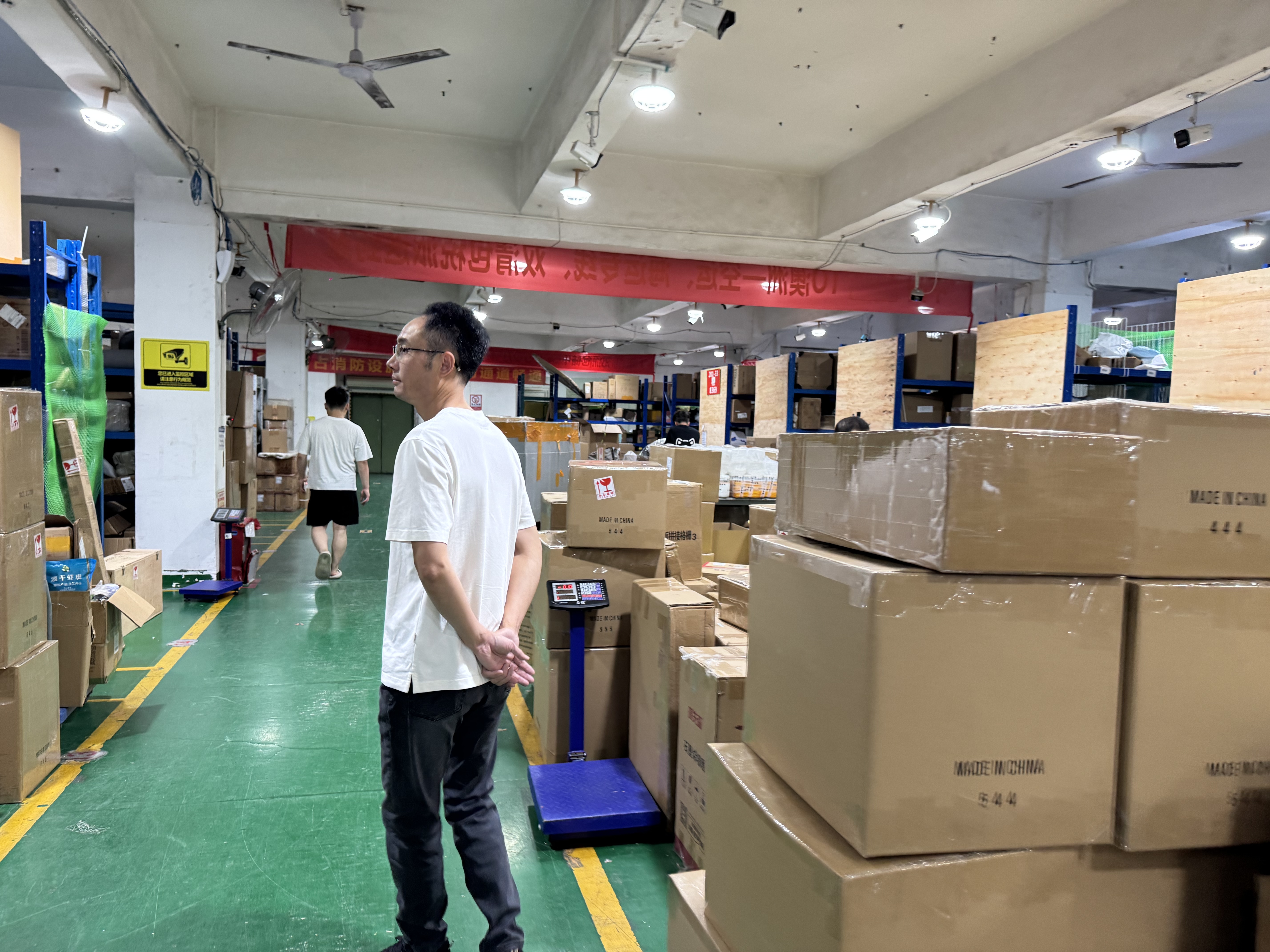
Fumigation Chamber or On - site Treatment If the shipment is small, the furniture can be treated in a fumigation chamber. The chamber creates an enclosed environment where the fumigant can be released at the right concentration. This method is more controlled and ensures uniform treatment.
For larger shipments, on - site treatment may be required. In this case, the furniture is covered with a gas - tight tarp, and the fumigant is released under the tarp. This method requires more careful monitoring to ensure that the fumigant reaches all parts of the furniture.
Aeration and Clearance After the fumigation is complete, the furniture needs to be aerated to remove any remaining fumigant. The aeration time depends on the type of fumigant used and the size of the shipment.
Once the aeration is done, the furniture is inspected again to ensure that it is safe for shipping. A fumigation certificate is then issued, which is a mandatory document for customs clearance in Canada.
IV. Cost Considerations
Factors Affecting the Cost The cost of fumigation service for furniture shipping to Canada can vary depending on several factors. The size of the shipment is a major factor. Larger shipments will generally cost more to fumigate.The type of furniture also matters. Solid wood furniture may require a different level of fumigation compared to furniture with veneers. Additionally, the type of fumigant used and the location of the fumigation treatment can impact the cost.
Cost Comparison In general, fumigation in China (the origin of most shipments) may be more cost - effective than in Canada. However, it's important to ensure that the fumigation is carried out according to Canadian standards. Some shippers may offer bundled services that include fumigation, packing, and shipping at a more affordable price.
V. Choosing a Fumigation Service Provider
Certification and Experience When choosing a fumigation service provider, it's crucial to look for one that is certified. In China, the provider should have the necessary licenses to perform fumigation. Experienced providers are more likely to follow the correct procedures and ensure that the fumigation is done properly.For example, a provider with years of experience in handling furniture shipments to Canada will be familiar with the specific requirements of the Canadian authorities.
Reputation and Customer Reviews Reading customer reviews can give you an idea of the provider's reputation. Check if they have a history of providing reliable and high - quality fumigation services. You can also ask for references from other shippers.
VI. FAQ
What if my furniture is made of non - wooden materials, do I still need fumigation? Usually, non - wooden furniture does not require fumigation. However, if there are any wooden parts or components in the furniture, fumigation will be necessary for those parts.How long does the fumigation process take? The fumigation process can take anywhere from 2 - 7 days, depending on the type of fumigant used, the size of the shipment, and the level of infestation. The aeration period can add an additional 1 - 2 days.
Can I fumigate the furniture myself? It is not recommended to fumigate the furniture yourself. Fumigants are toxic chemicals, and improper use can be dangerous to your health and may not meet the Canadian standards. It's best to hire a professional fumigation service provider.
What should I do if my furniture is detained at the port due to improper fumigation? If your furniture is detained, contact your fumigation service provider immediately. They can work with you to rectify the issue, such as conducting a re - fumigation and providing the necessary documentation to the Canadian authorities. You may also need to incur additional costs for storage and re - processing.
Does the fumigation service provider also handle the documentation for customs clearance? Some fumigation service providers may offer to help with the documentation for customs clearance, but it's not always the case. It's important to clarify this with the provider before hiring them. In any case, you need to ensure that the necessary fumigation certificate and other related documents are in order for a smooth customs clearance process.
Looking ahead, the regulations around fumigation for furniture shipping to Canada may continue to evolve. Staying updated and working with reputable service providers will be key to ensuring a hassle - free shipping experience.
