

I. Introduction
As a seasoned player in the cross - border logistics industry, I've witnessed numerous small business owners, importers, and e - commerce sellers in Canada facing challenges when shipping furniture from China. In 2026, there have been some significant changes in policies and market conditions that you need to be aware of. I remember a client back in early 2026, an apparel importer in Toronto who decided to diversify his business by importing some home goods, including furniture. He was completely unaware of the new regulations and ended up with a lot of headaches during the shipping process. So, let's dive into what you should know about furniture LCL (Less than Container Load) shipping from China to Canada this year.
II. New Policies and Regulations in 2026
Canadian Food Inspection Agency (CFIA) and Phytosanitary Regulations Starting from 2026, the Canadian Food Inspection Agency has tightened its phytosanitary regulations for wooden furniture. Any wooden components in the furniture must be treated properly to prevent the introduction of pests and diseases. For example, solid wood furniture requires a valid phytosanitary certificate, which proves that the wood has been fumigated or heat - treated. This is to protect Canada's forests and agricultural resources.If you don't comply with these regulations, your furniture could be held at the port for inspection, and in some cases, even returned to China. This can lead to significant delays and additional costs.
Customs Valuation and Tariffs The Canadian Border Services Agency (CBSA) has updated its customs valuation methods for furniture imports. They are now more focused on the actual transaction value, including the cost of the furniture, freight, and insurance. This means that you need to provide accurate documentation for these costs to avoid over - or under - valuation.
Regarding tariffs, the tariff rates for different types of furniture may vary. For instance, high - end, luxury furniture may attract a higher tariff rate compared to mass - produced, basic furniture. It's crucial to classify your furniture correctly using the appropriate HS (Harmonized System) codes. Incorrect classification can result in additional duties or penalties.
III. Advantages of Furniture LCL Shipping
Cost - Effectiveness for Small Orders If you're a small business owner or an e - commerce seller with a relatively small order of furniture, LCL shipping is a great option. You only pay for the space your furniture occupies in the container, rather than renting an entire container. This can significantly reduce your shipping costs. For example, if you're importing about 2 - 3 cubic meters of furniture, LCL shipping can save you approximately 30% - 40% compared to FCL (Full Container Load) shipping.Flexibility LCL shipping offers more flexibility in terms of order volume and shipping frequency. You don't have to wait until you have a full container of furniture to ship. You can ship your furniture in smaller quantities as needed, which is especially beneficial for businesses with limited storage space or those that want to test the market with a small batch of furniture first.
IV. Challenges and Pitfalls
Longer Transit Times One of the main drawbacks of LCL shipping is the longer transit times. Since the container needs to be filled with multiple shippers' goods, there are often additional loading and unloading processes at the port. On average, LCL shipping from China to Canada can take roughly 25 - 35 days, while FCL shipping may only take about 20 - 25 days. This can be a problem if you're on a tight schedule to restock your inventory.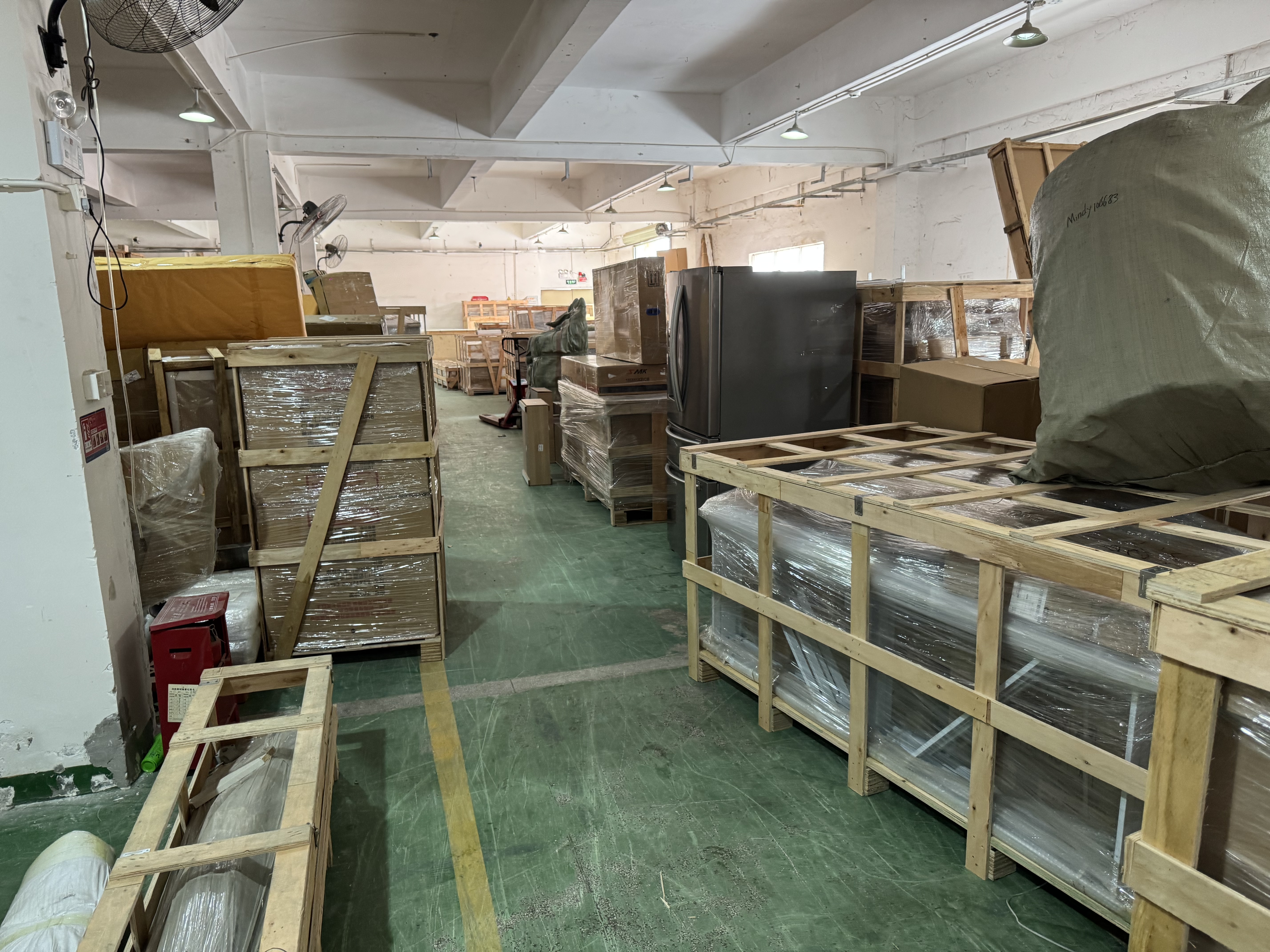
Higher Risk of Damage With multiple shippers' goods sharing the same container, there is a higher risk of damage to your furniture. During the loading and unloading processes, there may be collisions or improper handling. To mitigate this risk, it's important to ensure that your furniture is properly packed. For example, using wooden crates or pallets can provide better protection.
Complex Documentation LCL shipping requires more complex documentation compared to FCL shipping. You need to provide detailed information about your furniture, including its description, quantity, value, and origin. In addition to the standard commercial invoice, bill of lading, and packing list, you may also need to provide special certificates such as the phytosanitary certificate and a certificate of origin. Incorrect or incomplete documentation can lead to customs clearance issues.
V. How to Choose the Right Logistics Provider
Experience in Furniture Shipping Look for a logistics provider that has extensive experience in shipping furniture from China to Canada. They should be familiar with the new regulations, packing requirements, and shipping routes. For example, a provider like [盛达国际物流] has been in the business for many years and has a dedicated team that focuses on furniture shipping. They know how to handle solid wood furniture, ensuring it meets the phytosanitary requirements.Global Network and Local Support A good logistics provider should have a wide - reaching global network and local support in both China and Canada. This means they can manage the shipping process from start to finish, including pick - up in China, customs clearance in both countries, and delivery to your door in Canada. For instance, [盛达国际物流] has self - operated warehouses in China, along with a local customs clearance and overseas delivery team in Canada, which allows for more efficient and seamless shipping.
Transparent Pricing Make sure the logistics provider offers transparent pricing. There should be no hidden fees. A reputable provider will clearly outline the shipping costs, customs fees, and any other additional charges. [盛达国际物流] adopts an all - inclusive pricing model, listing out all the costs such as freight, customs clearance fees, and taxes, so you know exactly what you're paying for.
VI. FAQ
What should I do if my furniture is held at the Canadian port due to phytosanitary issues? First, contact your logistics provider immediately. They can help you communicate with the Canadian Food Inspection Agency (CFIA). Usually, you may need to provide additional documentation to prove that your furniture has been properly treated. In some cases, the CFIA may allow on - site treatments, but you'll need to bear the cost of these treatments.Can I track my furniture during the LCL shipping process? Yes, most reliable logistics providers offer tracking services. For example, [盛达国际物流] has a self - developed intelligent shipping system that allows you to track the status of your furniture at every stage, from warehousing in China to delivery in Canada. You can see when the container is loaded, when it departs from the port, and when it arrives in Canada.
How can I ensure my furniture is well - packed for LCL shipping? You can use wooden crates or pallets to protect your furniture. For fragile parts, add extra cushioning materials like foam or bubble wrap. A professional logistics provider can also offer packing services. [盛达国际物流] provides special packing services for furniture, including multi - layer shock - proof protection.
What if my furniture is damaged during LCL shipping? A good logistics provider should have a proper claim mechanism. For example, [盛达国际物流] has a standardized damage and loss claim system. If your furniture is damaged due to operational errors during shipping, you can file a claim and get compensated according to the pre - defined standards.
In 2026, shipping furniture from China to Canada via LCL has its own set of opportunities and challenges. By being aware of the new policies, understanding the pros and cons, and choosing the right logistics provider, you can ensure a smooth and cost - effective shipping process for your business.
